
Search
Showing results for "lung disease preterm"
The Kids Research Institute Australia is looking for healthy babies (born from 35 weeks of pregnancy onwards) to take part in an important study evaluating a new medication that may help prevent Respiratory Syncytial Virus (RSV) disease.
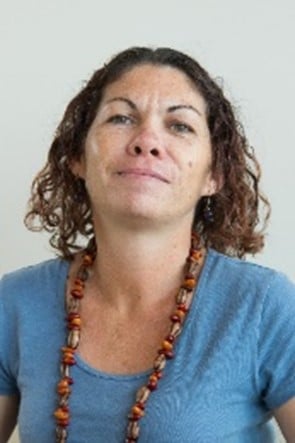
Noeletta McKenzie is a Champion for Change, RHDAustralia, and community representative and advocate for the START study.
In 2014, the Wesfarmers Centre of Vaccines & Infectious Diseases put out a first call for seed funding proposals.

The aim of this study is to explore the experience of stigma in adolescents with type 1 diabetes and its association with diabetes self-management and glycaemic control.
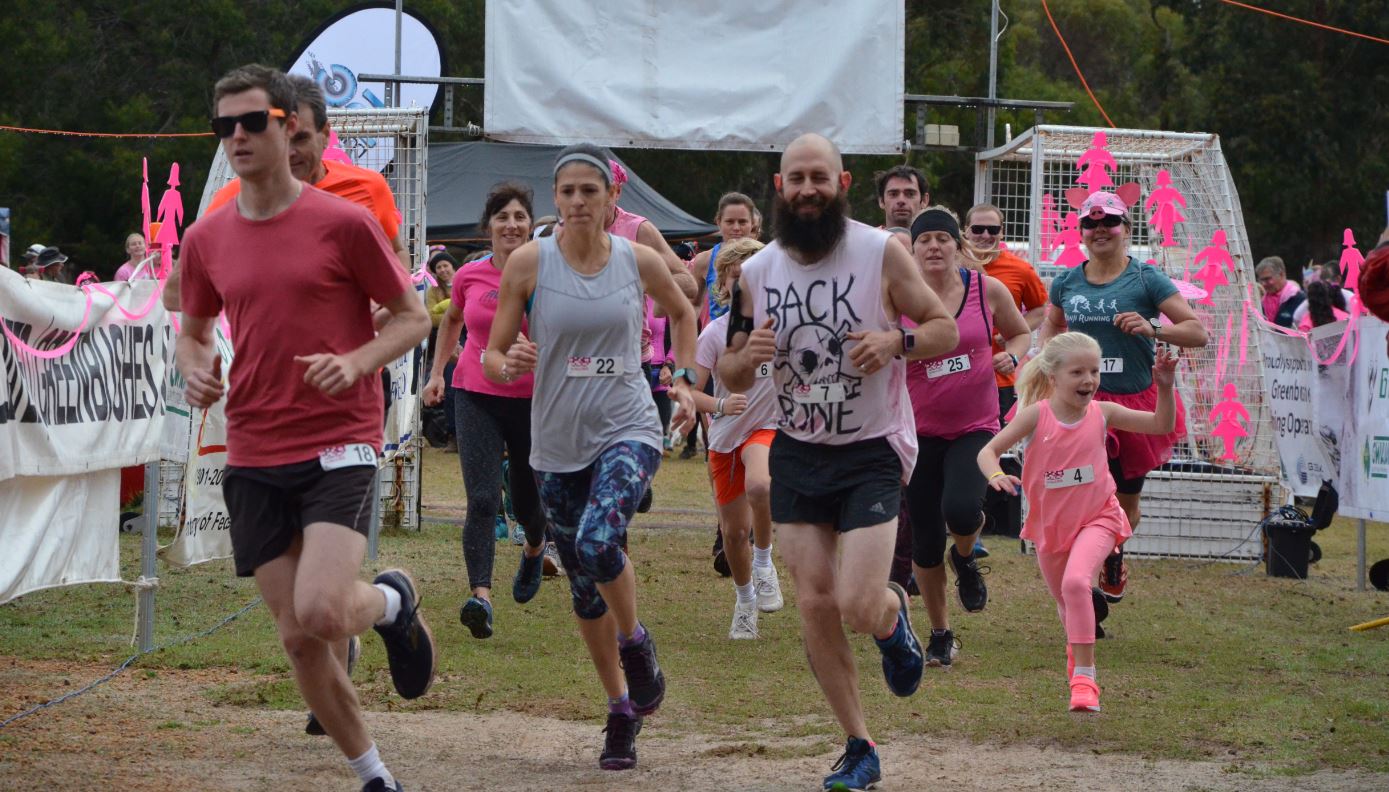
The tiny south west town of Greenbushes has again proved it has a big heart when it comes to raising funds for charity following the hosting of its sixth annual Fun Run and Mountain Bike Event recently.
Visit the Discovery Centre and play our interactive games to learn about science and health research.
This research sought to provide an outline of identified household-level environmental health initiatives to reduce or interrupt Strep A transmission along each of these pathways.
Contemporary data for the global burden of sore throat and group A Streptococcus (Strep A) pharyngitis are required to understand the frequency of disease and develop value propositions for Strep A vaccines.
Diarrhoeal disease is the second leading cause of death in children under 5 years globally, killing 525 000 annually. Australian Aboriginal and Torres Strait Islander (hereafter Aboriginal) children suffer a high burden of disease.
This project consists of two linked research programs, working to support malaria control and elimination using OpenMalaria: our in-house, open-source, malaria simulation tool.