
Search
Showing results for "mental health aboriginal"
Traditional conceptualizations of aggression distinguish between reactive (e.g., rage) and proactive (e.g., reward) functions of aggression. However, critiques of this dichotomy have pointed out these models conflate motivational valence and self-control.
Previous studies have shown that there is overlap between victimization and the perpetration of bullying, and social and motivational variables are known to mediate this relationship. However, the effects of different moral disengagement strategies have not been studied, despite the fact that they exert a major influence on aggressive behavior.
Borderline personality disorder (BPD) is characterized by instability in interpersonal relationships. To date no reviews have scoped the extant research on peer relationship functioning for young people diagnosed with BPD or showing borderline personality features. The current review provides this scoping of studies on all facets of peer relationships, including friendship quality, peer victimization and bullying and peer aggression, and relevant studies of social–cognitive processes with relevance to peer relationships. From 282 studies identified up to August 2019, 39 studies were included for review.
The study of moral disengagement has greatly informed research on aggression and bullying.
The purpose of this study was to examine whether teachers’ reports of relationship quality were associated with children's behaviour and gender.
This study investigated the likelihood of children showing problems with parent-rated physical aggression, and on the severity of problems, for 374 children.

It’s important to ask, R U OK. If someone replies that they’re not, don’t panic – there are ways you can help.
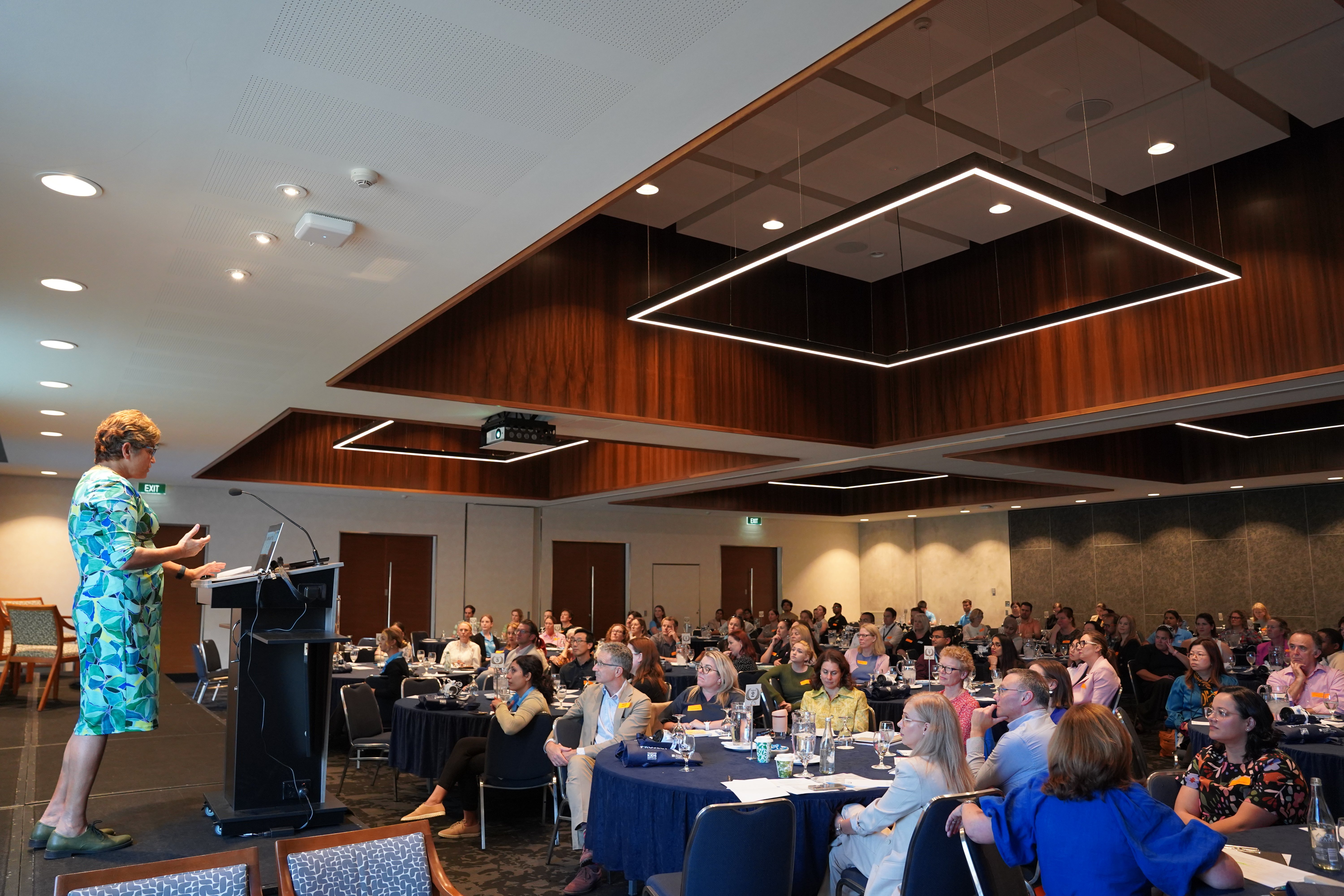
Yesterday, we were delighted to host close to 200 people at The ORIGINS 2024 Showcase, which explored the power of longitudinal cohorts, now and in

Patron
Rates of antimicrobial resistance (AMR) for some pathogens in Australia are considerably higher in rural and remote compared to urban regions. The inaugural Hot North Antimicrobial Academy was a 9-month educational programme aimed to build workforce knowledge and capacity in antimicrobial use, audit, stewardship, surveillance and drug resistance in remote primary health care.