
Search
Showing results for "clinical trials"
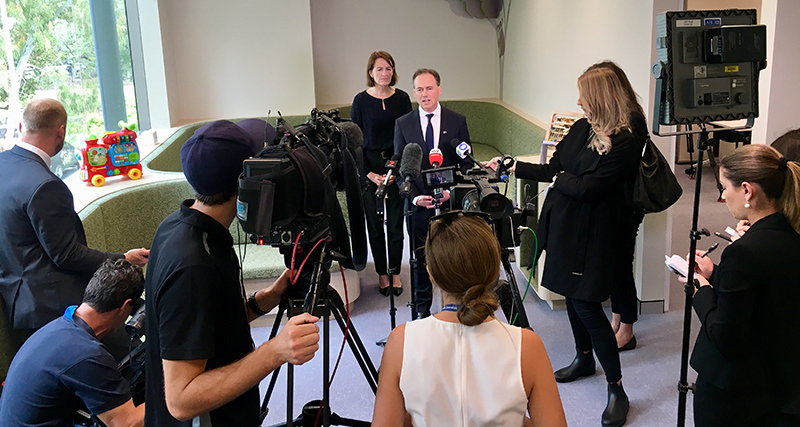
Western Australian babies and children with autism and developmental delay will be able to access world-first therapies and interventions backed by the latest research, thanks a unique clinical service developed by The Kids Research Institute Australia.
The present study aims to investigate the association between an early history of recurrent otitis media (OM) with or without ventilation tube insertion and later behavioural problems in childhood and adolescence.
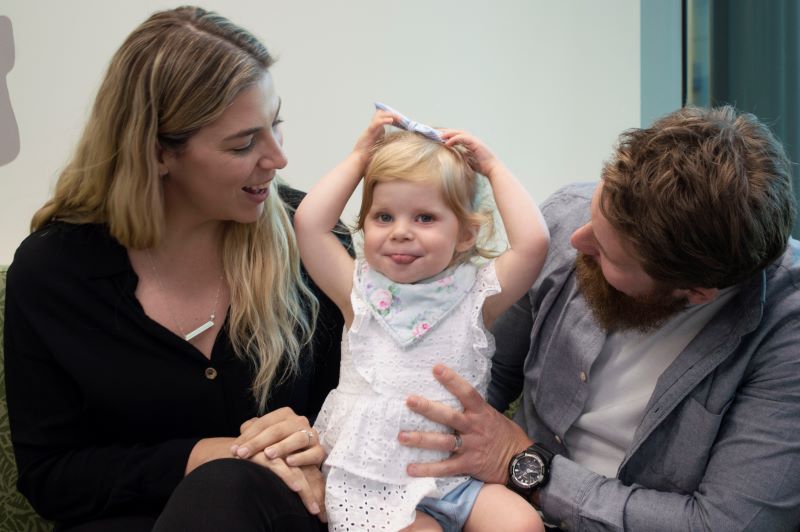
CliniKids, the first stand-alone clinical service offered by The Kids Research Institute Australia, was launched in October 2019 and is already delivering benefits for families with children who are developing differently.
This register was established at Princess Margaret Hospital in 1987 which stores data on all consenting patients attending the hospital’s diabetes clinic.
With adequate support, children newly diagnosed with Type 1 Diabetes can be safely managed at home following practical skills training
To investigate the physicochemical compatibility of caffeine citrate and caffeine base injections with 43 secondary intravenous drugs used in Neonatal Intensive Care Unit settings.
Alexithymia is a trait involving difficulties identifying feelings, difficulties describing feelings, and an externally orientated thinking style. It is an important risk factor for a range of psychopathologies, and its assessment is therefore important in research and clinical settings. Originally created in English, the Perth Alexithymia Questionnaire-Short Form (PAQ-S) is a brief 6-item self-report measure of alexithymia.
Whānau Pakari is a family-centred healthy lifestyle programme for children/adolescents with overweight/obesity in New Zealand. This secondary analysis from our randomised trial within the clinical service assessed 5-year BMI changes in accompanying caregivers.
The efficacy of chimeric antigen receptor (CAR) T cell therapy in solid tumours is limited by immunosuppression and antigen heterogeneity. To overcome these barriers, 'armoured' CAR T cells, which secrete proinflammatory cytokines, have been developed. However, their clinical application has been limited because of toxicity related to peripheral expression of the armouring transgene.

Congratulations to Dr Vinutha Shetty who has been awarded a Type 1 Diabetes Clinical Research Network’s Mentored Clinician Researcher Fellowship Award for 2017.