
Search
Showing results for "Childhood interstitial lung disease "
The Early Human Capability Index is a holistic measure intended to capture early child development across diverse cultures and contexts.
This study investigated whether exposure to high pregestational BMI (≥ 25 kg/m2) is associated with alterations in white matter microstructure in early childhood, explored sex-specific effects, and examined associations with cognitive performance.
Tests for Hardy-Weinberg equilibrium (HWE) have been used to detect genotyping error, but those tests have low power unless the sample size is very large.
This week more than 7500 government and non-government schools across Australia will start taking part in the world's most comprehensive collection of
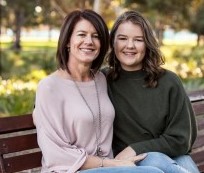
Read more about navigating the teen years and diabetes in The West Australian here. The story features Dr Keely Bebbington, who is the McCusker Research Fellow in Type 1 Diabetes at the Children’s Diabetes Centre, based at The Kids Research Institute Australia.

In this The Kids Research Institute Australia subsite, our Rett syndrome research team manages a national and international database of Rett syndrome.
In partnership with local Aboriginal Community Controlled Health Organisations, the Elder-led co-designed Koolungar Moorditj Healthy Skin project is guided by principles of reciprocity, capacity building, respect, and community involvement. Through this work, the team of Elders, community members, clinicians and research staff have gained insight into the skin health needs of urban-living Aboriginal koolungar (children); and having identified a lack of targeted and culturally appropriate health literacy and health promotion resources on moorditj (strong) skin, prioritised development of community-created healthy skin resources.
Find newsletters, guidelines, publications and videos in the one spot.

The Healing Kids, Healing Families team strives to understand how trauma and adverse circumstances can impact a child and their family, and how we can help them to recover from these experiences.
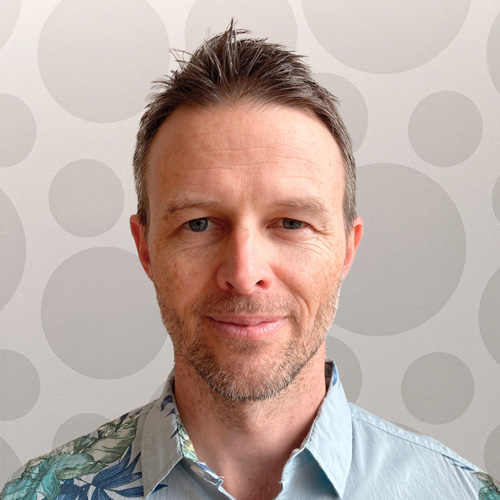
Senior Infectious Disease Modeller