
Search
Showing results for "aboriginal respiratory"
We report the isolation of a bacteriophage with obligately lytic activity against Pseudomonas aeruginosa from wastewater. The reported phage, Minga-mokiny 4, appears to belong to the Schitoviridae family, is of the Litunavirus genus, and has a 72,362-bp genome. No known genes associated with lysogeny, bacterial resistance, or virulence were predicted.
Britta Regli-von Ungern-Sternberg AM FAHMS MD, PhD, DEAA, FANZA Chair of Paediatric anaesthesia, University of Western Australia; Consultant
Research on the health literacy of parents with children with intellectual disability is limited. Understanding parents' healthcare skills and needs is essential for improving children's health and developing effective support. In this study we aimed to (1) explore the health literacy skills of parents that enabled them to support the health needs of their child with intellectual disability and the factors influencing these skills, and (2) identify opportunities to support parent health literacy.
Britta Regli-von Ungern-Sternberg AM FAHMS MD, PhD, DEAA, FANZA Chair of Paediatric anaesthesia, University of Western Australia; Consultant
Ensitrelvir, a 3C-like protease inhibitor, received emergency approval in Japan in November 2022 for treating non-hospitalized patients with mild-to-moderate COVID-19. However, confirmation of its real-world clinical effectiveness is limited.
We present lung virome data recovered through shotgun metagenomics in bronchoalveolar lavage fluid from an infant with cystic fibrosis, who tested positive for Stenotrophomonas maltophilia infection. Using a bioinformatic pipeline for virus characterization in shotgun metagenomic data, we identified five viral contigs representing Pseudomonas phages classified as Caudoviricetes.
Estimate the global prevalence of neurodevelopmental impairment in children with Robin sequence (RS) at one year or more of age.

Johanna Rewa is a Program Manager in the Human Development and Community Wellbeing (HDCW) team at The Kids Research Institute Australia.
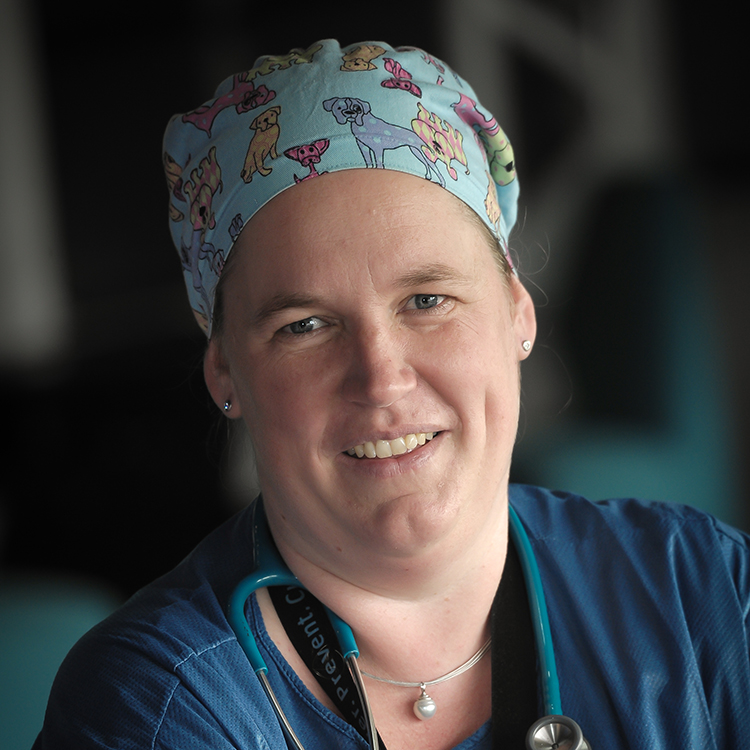
Chair of Paediatric anaesthesia, University of Western Australia; Consultant Paediatric Anaesthetist, Perth Children’s Hospital; Head, Perioperative Medicine
Research Officer, Infectious Diseases Epidemiology