
Search
Showing results for "clinical trials"
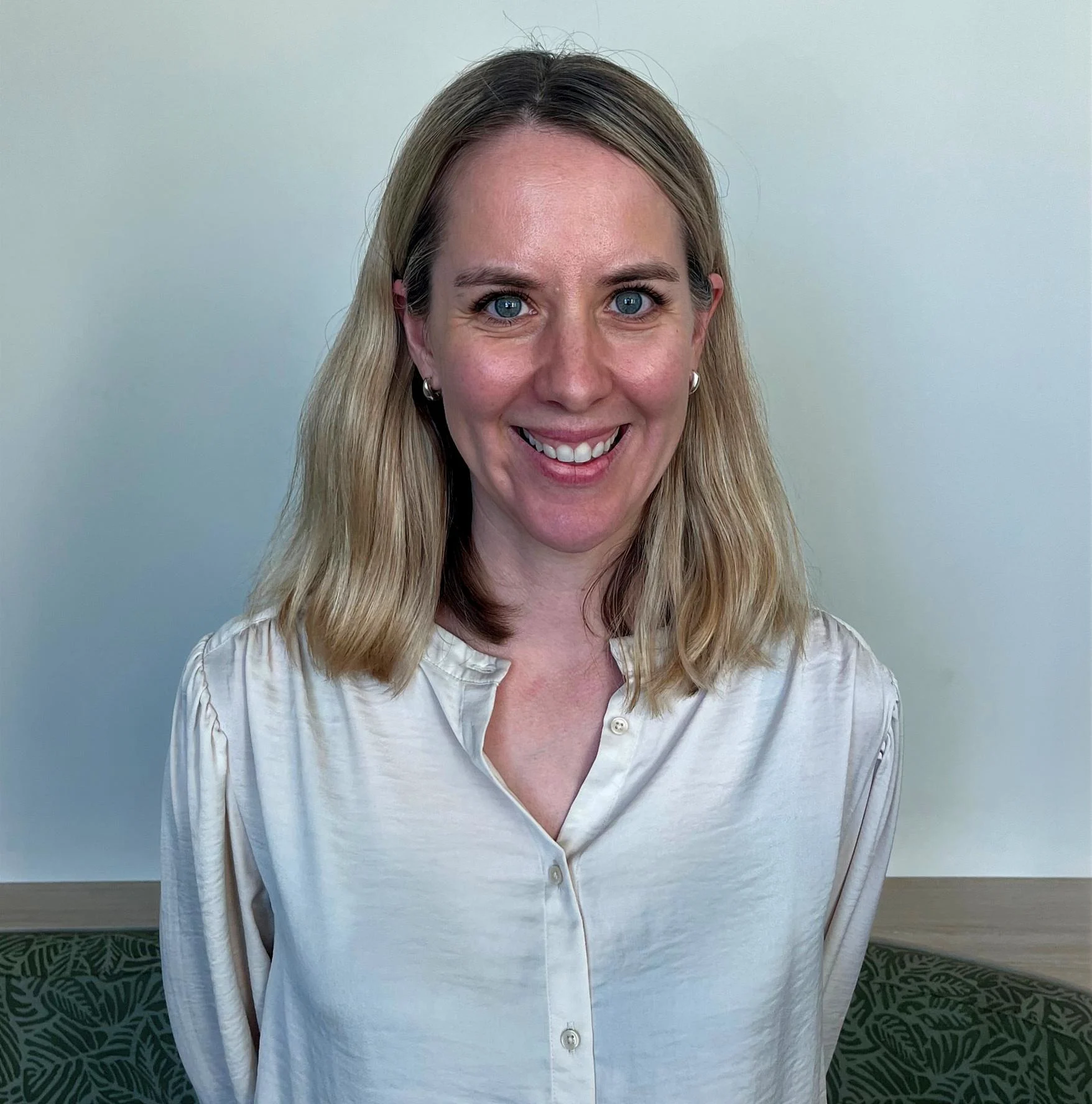
Lucy Donovan is a Senior Speech Pathologist at CliniKids
Research Fellow
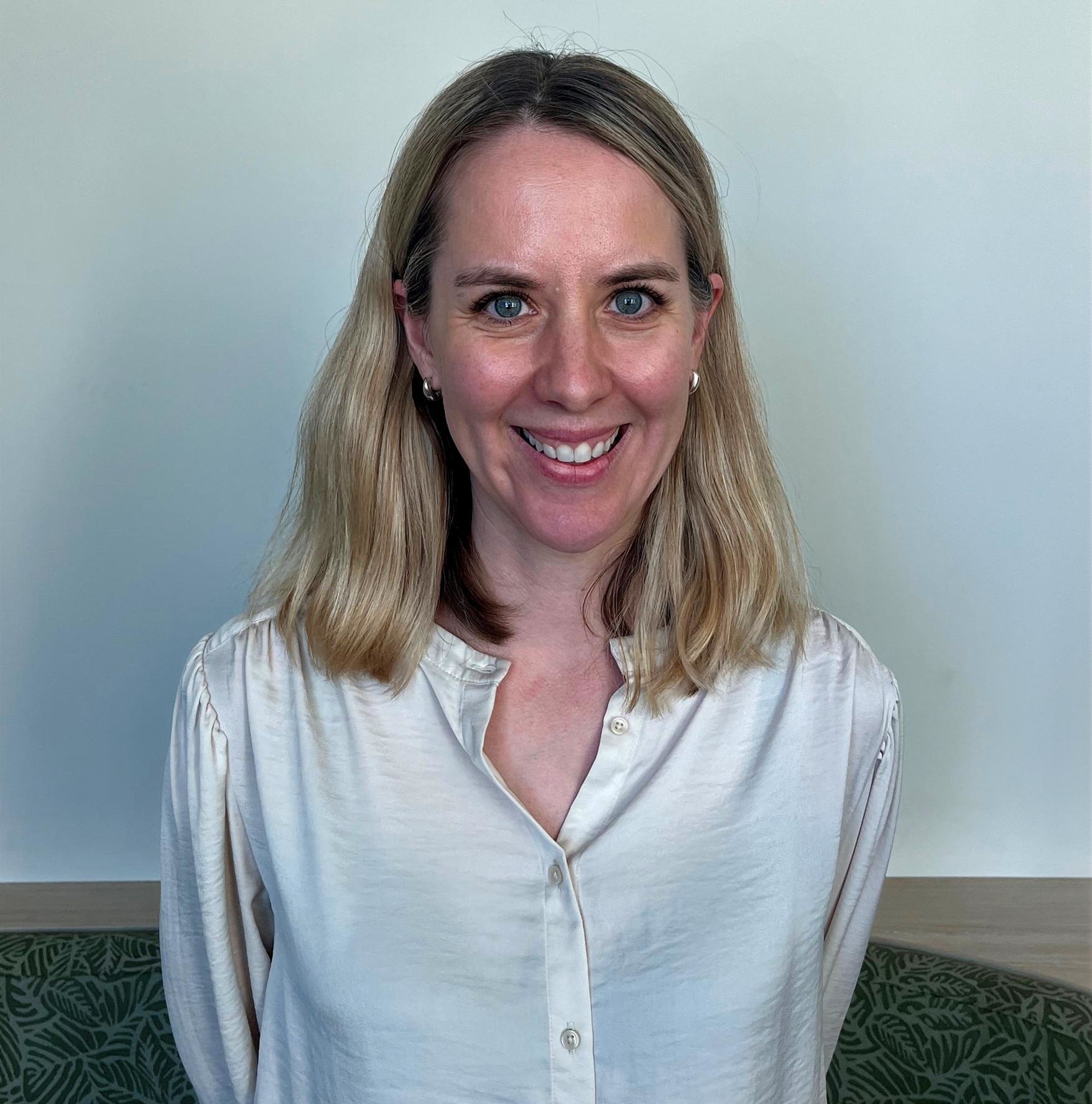
Speech Pathologist
Research Operations Coordinator
Bep Uink is an Honorary Research Associate at The Kids Research Institute Australia.
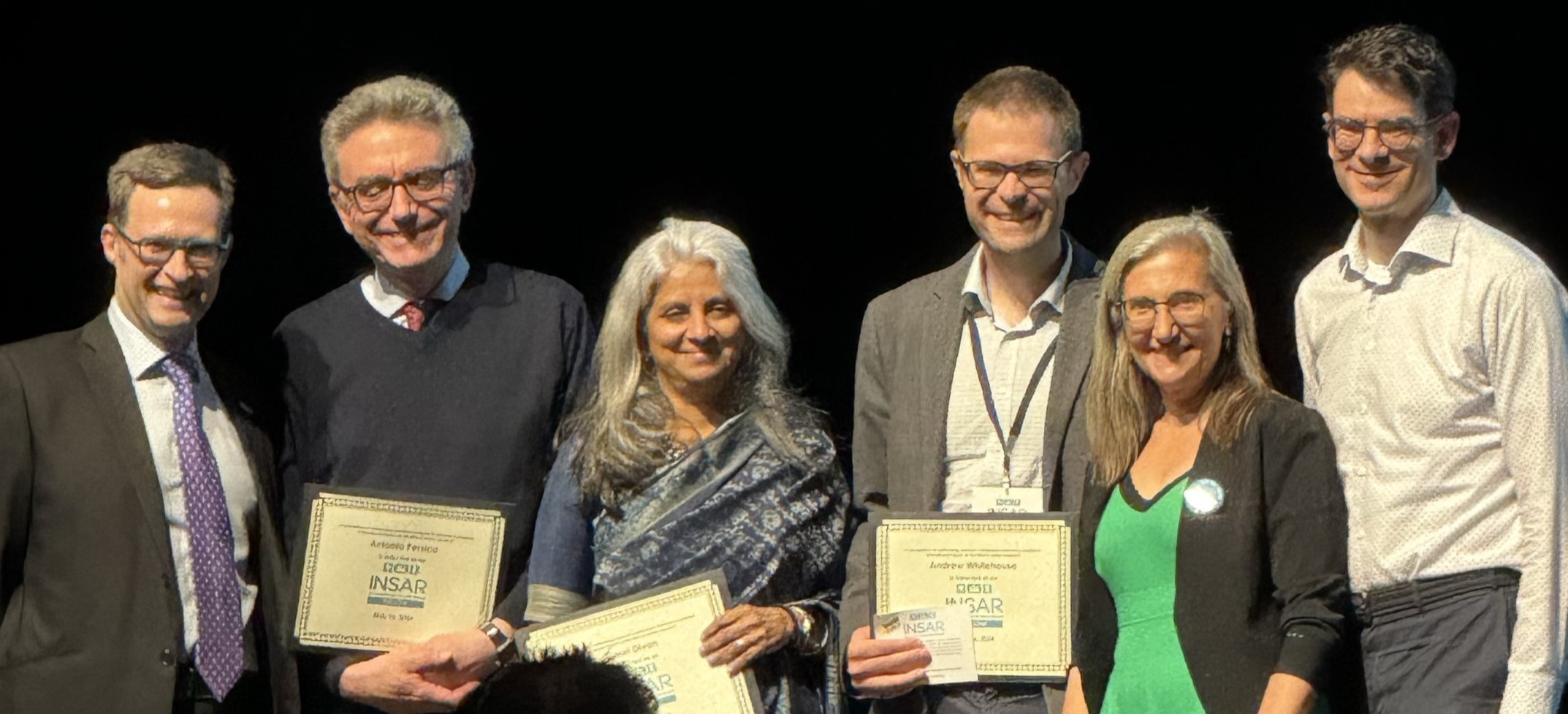
Professor Andrew Whitehouse was recently inducted as a Fellow to the International Society for Autism Research, making him just the fourth Australian to be bestowed the honour.
Neonatal jaundice is a common clinical condition that can progress to severe hyperbilirubinemia if identification and intervention are delayed. In this study, we aimed to analyze the current evidence on the accurate performance of smartphone applications to quantify bilirubin levels.
No clinical studies have examined the effect of mineral trioxide aggregate (MTA) obturation levels on the outcome of endodontic retreatment. This retrospective study examined treatment outcomes in three cohorts that compared overfilling, flush filling, and underfilling after orthograde retreatment using MTA.
Protracted international conflict has seen escalating numbers of displaced and resettled Syrian and Iraqi refugees, raising concerns for their health and well-being. This paper describes the demographic and clinical profiles of recently resettled Syrian and Iraqi refugee children and adolescents across physical, psychosocial, developmental and educational domains using standardised multidisciplinary assessments.
Hospital-treated self-harm is common, costly, and strongly associated with suicide. Whilst effective psychosocial interventions exist, little is known about what key factors might modify the clinical decision to refer an individual to psychiatric in- and/or out-patient treatment following an episode of hospital-treated self-harm.