
Search
Showing results for "aboriginal respiratory"
Acinetobacter baumannii is a common pathogen associated with hospital-acquired pneumonia showing increased resistance to carbapenem and colistin antibiotics nowadays. Infections with A. baumannii cause high patient fatalities due to their capability to evade current antimicrobial therapies, emphasizing the urgency of developing viable therapeutics to treat A. baumannii-associated pneumonia.
The increasing occurrence of hospital-associated infections, particularly bacteremia, caused by extensively drug-resistant (XDR) carbapenemase-producing colistin-resistant Klebsiella pneumoniae highlights a critical requirement to discover new therapeutic alternatives. Bacteriophages having host-specific bacteriolytic effects are promising alternatives for combating these pathogens.
We present lung virome data recovered through shotgun metagenomics in bronchoalveolar lavage fluid from an infant with cystic fibrosis, who tested positive for Stenotrophomonas maltophilia infection. Using a bioinformatic pipeline for virus characterization in shotgun metagenomic data, we identified five viral contigs representing Pseudomonas phages classified as Caudoviricetes.
Britta Regli-von Ungern-Sternberg AM FAHMS MD, PhD, DEAA, FANZA Chair of Paediatric anaesthesia, University of Western Australia; Consultant
Instability of peripheral oxyhemoglobin saturation (SpO2) in preterm infants is correlated with late disability and is poorly understood. We hypothesised that a reduced ventilation to perfusion ratio (VA/Q) is the key predisposing factor for SpO2 instability.
Pseudomonas aeruginosa is an opportunistic pathogen. Here, we report the isolation of four bacteriophages from wastewater. All four bacteriophages belong to the Myoviridae family.
The findings from this study show that in children with asthma this protective barrier is different from children without asthma.
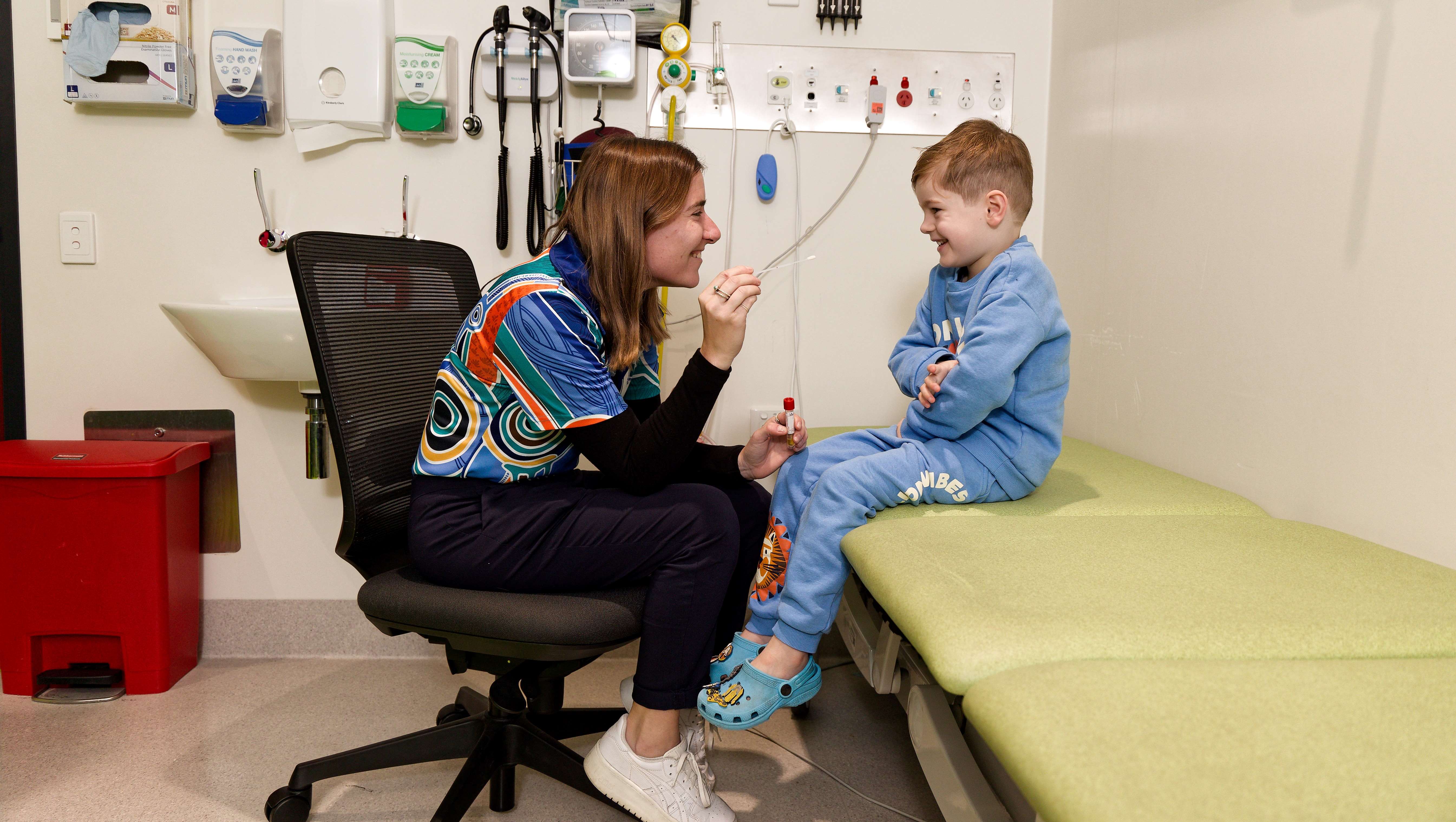
Researchers from The Kids Research Institute Australia would like to understand more about respiratory syncytial virus (RSV) and how we can provide the best protection for kids.
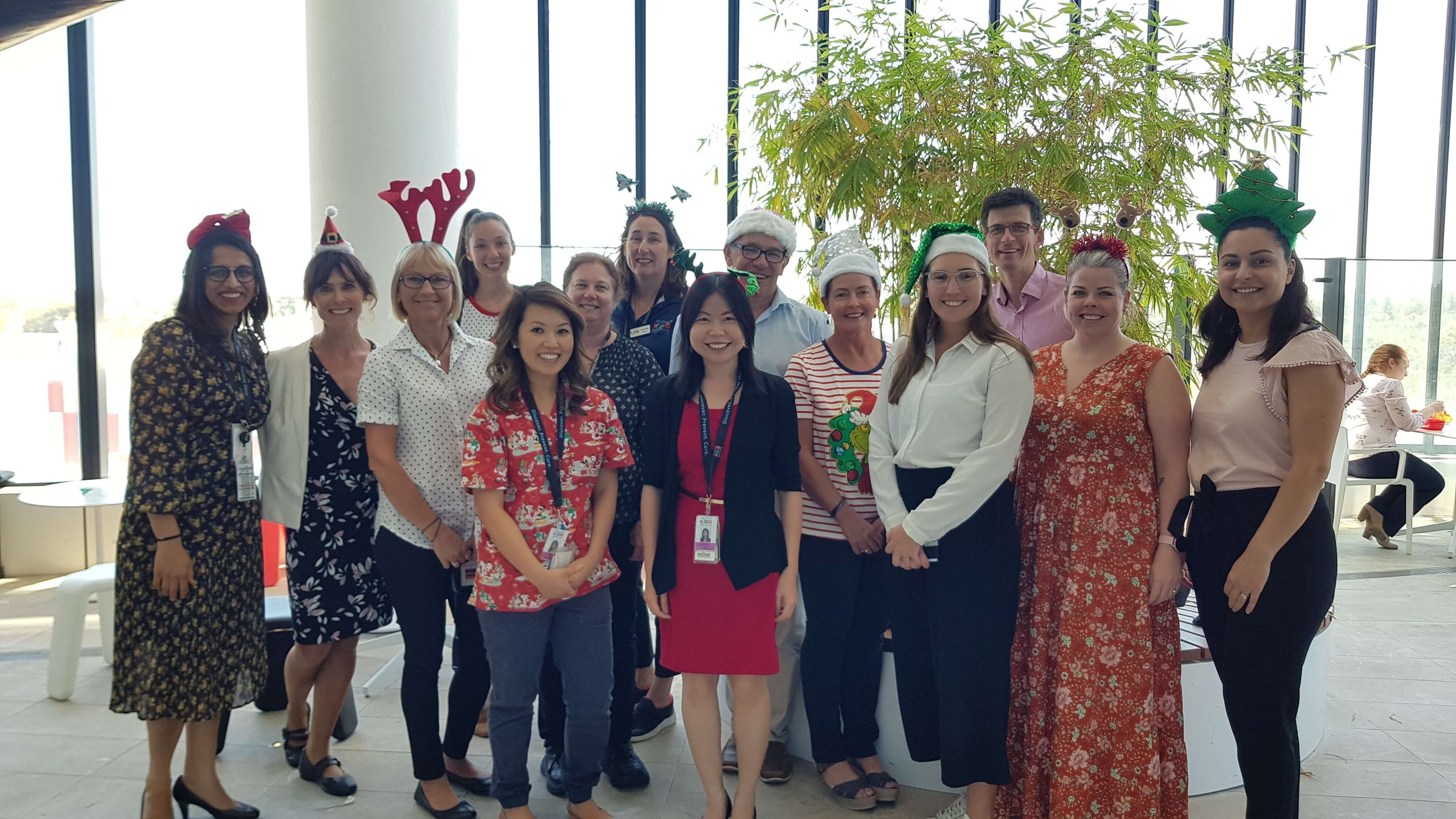
Coming up in 2021 Contact us We have a a study to suit every age range in 2021! From babies at just six weeks for the FluBub Study, through to
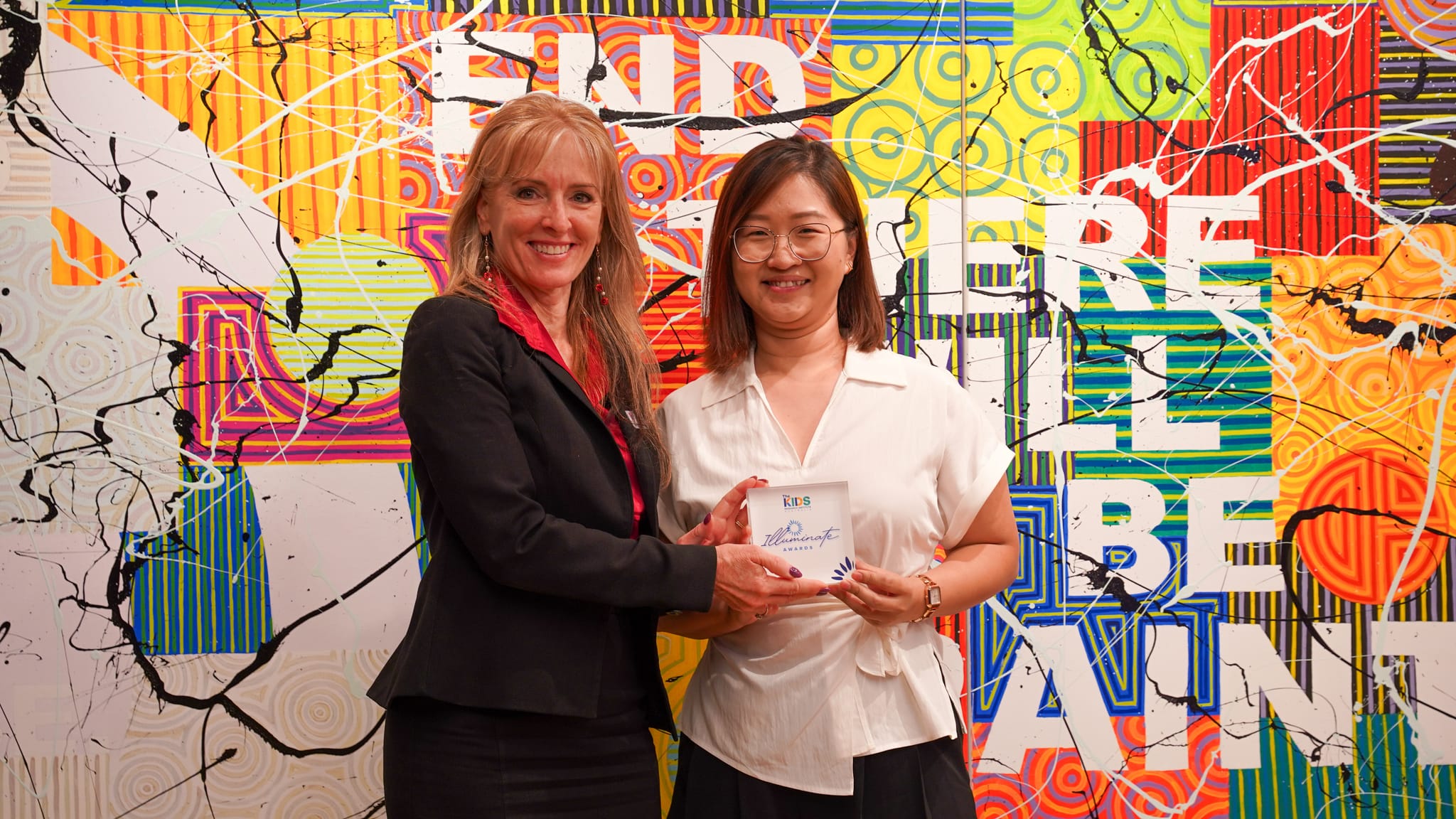
Dr Kak-Ming Ling, a Wal-yan Respiratory researcher at the Kids Research Institute Australia, has been awarded a $25,000 Illuminate Award for her work to change that. Supported by Conquer Cystic Fibrosis, the award was presented at the 2026 Illuminate PitchFest hosted by The Kids.