
Search
Showing results for "clinical trials"
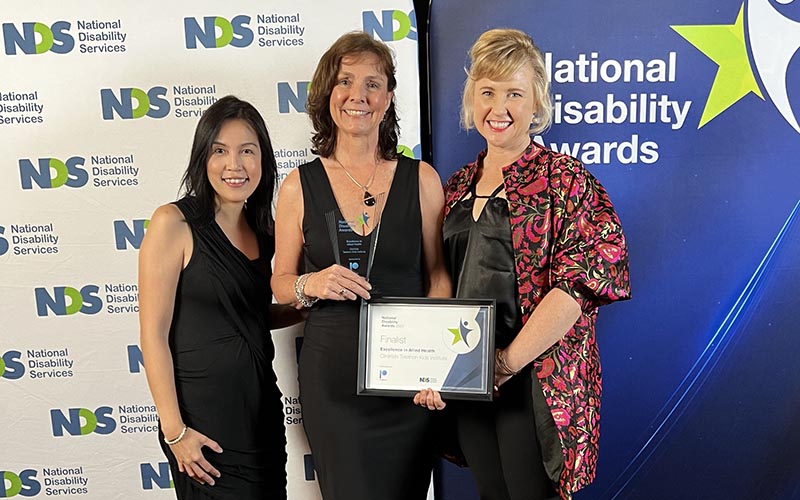
CliniKids has won the Excellence in Allied Health category at the inaugural National Disability Awards, announced in Melbourne tonight.
Studies of traditional Indigenous compared to 'Western' gut microbiomes are underrepresented, and lacking in young children, limiting knowledge of early-life microbiomes in different cultural contexts. Here we analyze the gut metagenomes of 50 Indigenous Australian infants (median age <one year) living remotely with variable access to Western foods, compared to age- and sex-matched non-Indigenous infants living in urban Australia.
To explore Aboriginal families' experiences of recognising clinical deterioration and raising their concerns within the Paediatric ESCALATION system to identify enablers and barriers to family involvement.
Regular physical activity and exercise (PA) are cornerstones of diabetes care for individuals with type 1 diabetes. In recent years, the availability of automated insulin delivery (AID) systems has improved the ability of people with type 1 diabetes to achieve the recommended glucose target ranges. PA provide additional health benefits but can cause glucose fluctuations, which challenges current AID systems.

Honorary Research Fellow
The airway epithelium forms a highly regulated physical barrier that normally prevents invasion of inhaled pathogens and allergens from the airway lumen.
CliniKids currently has availability for psychology services
Community sport coaches in Western Australia lack an understanding, the confidence, and knowledge in supporting young people with Type 1 diabetes (T1D). This study aims to identify what T1D educational resources are required to upskill coaches in Western Australia.
The Environmental Determinants of Islet Autoimmunity (ENDIA) pregnancy-birth cohort investigates the developmental origins of type 1 diabetes (T1D), with recruitment between 2013 and 2019. ENDIA is the first study in the world with comprehensive data and biospecimen collection during pregnancy, at birth and through childhood from at-risk children who have a first-degree relative with T1D.
Pregnancy and type 1 diabetes are each associated with increased anxiety and depression, but the combined impact on well-being is unresolved. We compared the mental health of women with and without type 1 diabetes during pregnancy and postpartum and examined the relationship between mental health and glycemic control.