
Search
Showing results for "aboriginal respiratory"

The urgency for a world-first respiratory syncytial virus vaccine is at an all-time high.
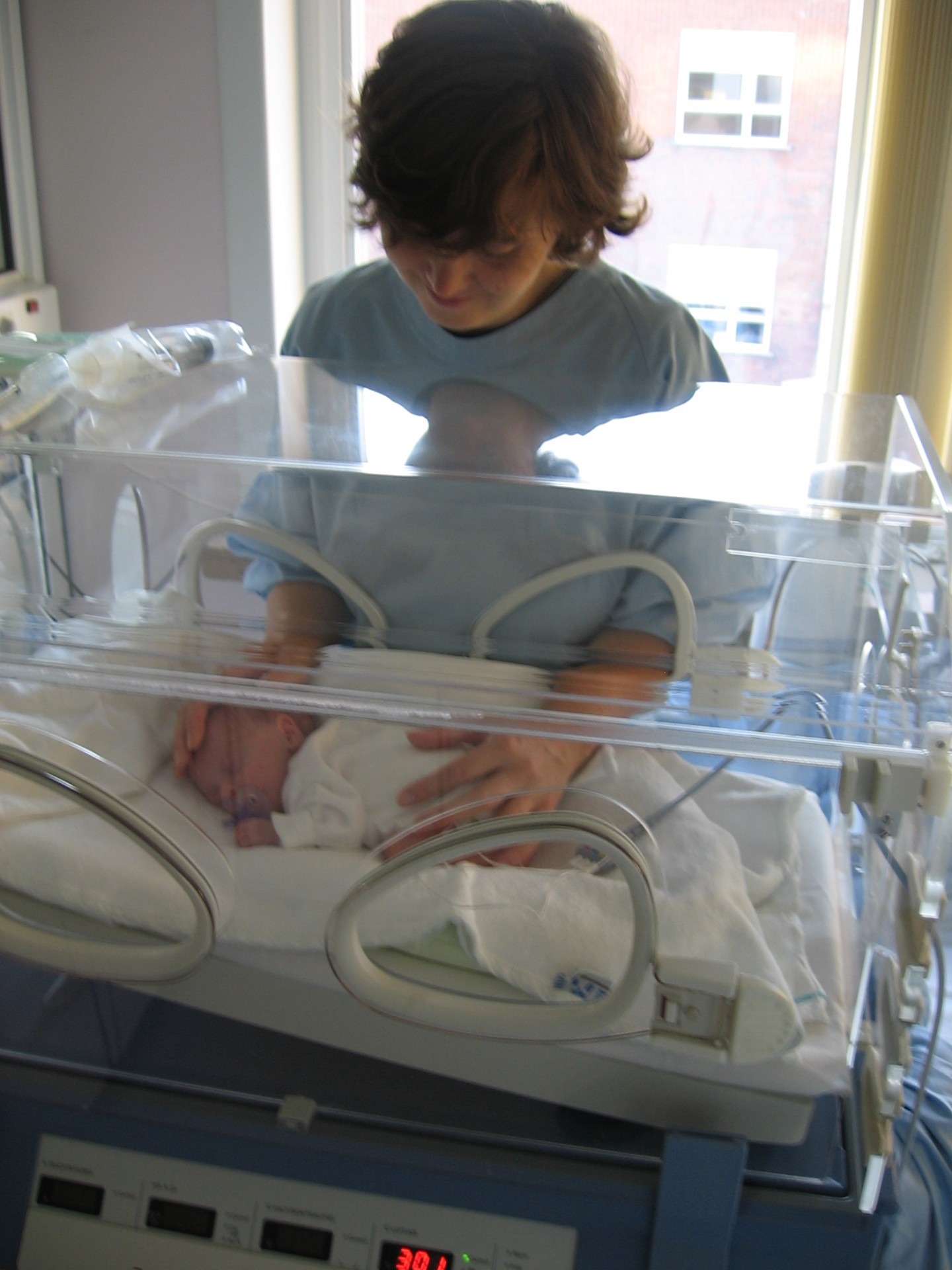
With premature babies facing lung problems, researchers with the Children’s Lung Health group are working to identify ways to improve the long-term impact.
Chronic innocuous aeroallergen exposure attenuates CD4+ T cell-mediated airways hyperresponsiveness in mice; however, the mechanism(s) remain unclear

The vision of the Perioperative Medicine Team is to make discoveries that will improve children’s perioperative care and lead to global practice change.
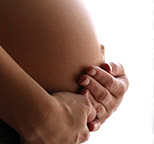
This is a strategic “pilot” project in which we are seeking basic information on the immune cell content of gestational tissues.
To investigate the immune capabilities of peripheral tissue DCs generated in vivo from the BM of UV-irradiated mice, chimeric mice were established.
Inflammatory mediators from peripheral tissues may control dendritic cell (DC) development in the bone marrow.
We aimed to measure the antibody development to 2 bacteria in a birth cohort at high risk of allergic disease, and to assess which responses are asthma-linked.
Sex hormones, such as oestrogen and testosterone, display significant immune modulatory properties. This is highly relevant for transgender (trans) people who undergo gender-affirming hormone (GAH) treatment. However, only a limited number of studies have evaluated the immunological impact of GAH treatments, and almost none have assessed the impact in trans young people.
The interaction of genetic and environmental contributions to immunological traits and their association with atopic disease remain unclear. Flow cytometry and in vitro cytokine responses were used to characterize immune profiles from 93 school-aged twin pairs. Using an established twin pair analytical strategy, the genetic and environmental influences on immunological traits were evaluated, along with their association with atopy. Our findings suggest strong genetic influence on several traits, particularly B cell abundance. In contrast, cytokine responses from in vitro stimulations appeared mainly shaped by environmental exposures.