
Search
Showing results for "early lung health"
This study aims to understand the experience and impact of the initial COVID-19 lock-down in young families with children aged below 4 years. Free text questions were administered to participants in the ORIGINS (Australia) and Born in Bradford (UK) cohort studies to collect qualitative information on worries, concerns and enjoyable experiences during the pandemic.

Senior Research and Evaluation Officer
In cystic fibrosis, bacteria–bacteriophage interaction in the lower airways is poorly understood. We present the near-complete genome of the uncultured Siphovirus-like bacteriophage, Staphylococcus aureus phage COMBAT-CF_PAR1, isolated from the lower airways. The genome spans 41,510 bp with 33.45% guanine–cytosine content and contains 65 open reading frames.
The Fraser Mustard Centre Adelaide is looking for a Senior Research Officer responsible for coordinating research on the Early Intervention Research Directorate
Our study investigates the maternal, pregnancy, and newborn risk factors by gender for children prescribed stimulant medication for treatment of ADHD in WA.
The current study used a transdiagnostic approach to explore experiences of consumers and professionals on how the process of assessing and diagnosing neurodevelopmental conditions can be improved.
Otitis media (OM; middle ear infection) is the most common reason for pre-school children to visit a doctor, be prescribed antimicrobials, or undergo surgery. Recent Cochrane reviews of clinical trials have identified that antibiotics and grommet surgery are only moderately effective in treating OM, with recurrent or persistent infection observed in one-third of children. Research efforts are focusing on developing improved therapies to treat OM and prevent disease recurrence.
Lea-Ann Peter Ruth Kirkham Richmond Thornton PhD MBBS MRCP(UK) FRACP PhD Co-Head, Bacterial Respiratory Infectious Disease Group; Microbiology Lead,
Peter Lea-Ann Ruth Richmond Kirkham Thornton MBBS MRCP(UK) FRACP PhD PhD Head, Vaccine Trials Group Co-Head, Bacterial Respiratory Infectious Disease
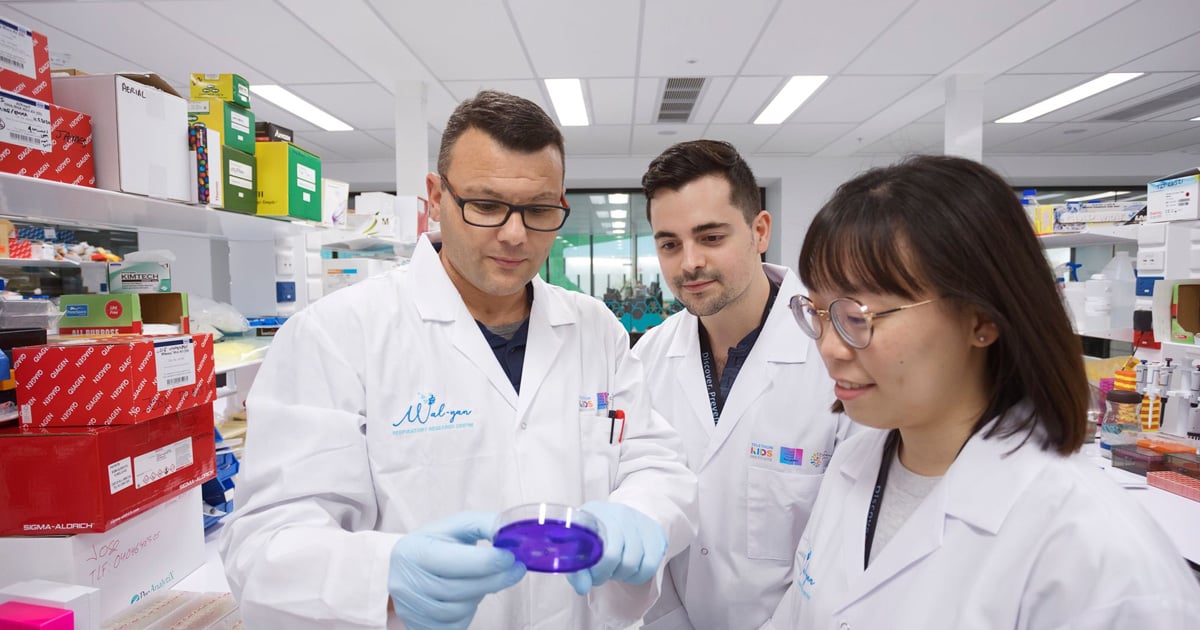
A $350,000 Cure4 Cystic Fibrosis grant is set to propel the Wal-yan Respiratory Research Centre’s Phage WA program forward, supercharging its fight against antimicrobial resistant (AMR) lung infections in people with Cystic Fibrosis (CF) using cutting-edge phage therapy.