
Search
Showing results for "1"

A bold new research project by researchers from CliniKids at The Kids Research Institute Australia will improve communication outcomes for autistic kids.
The Missing Piece Surveillance Study is a prospective surveillance study to determine the concurrent burden of skin and throat infections in children, from two remote communities in Northern Australia.
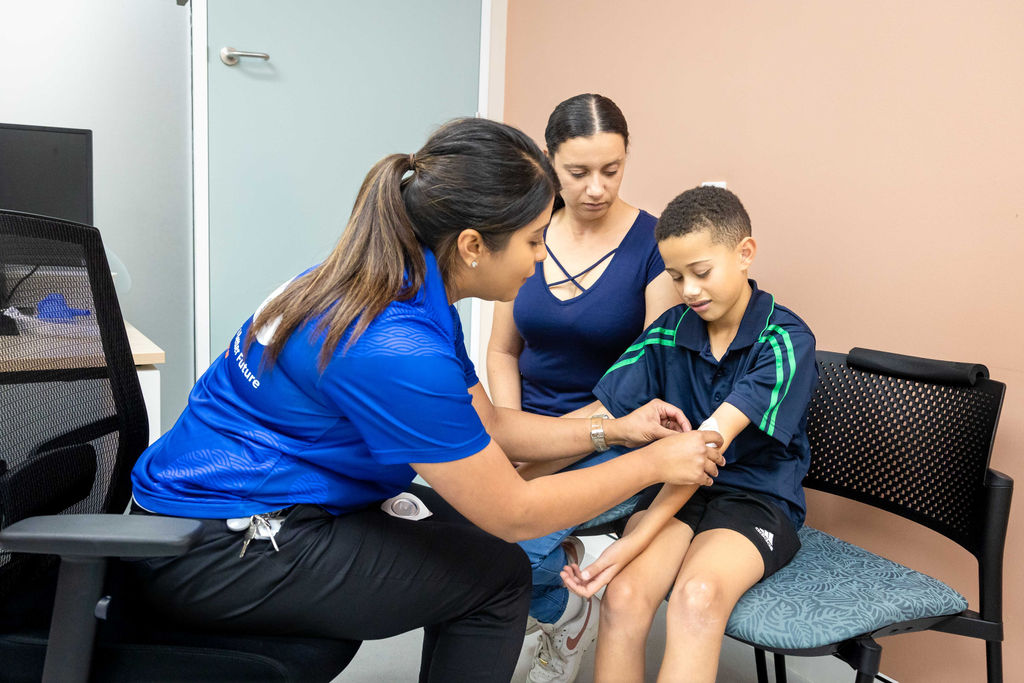
Exploring opportunities for early diagnosis and intervention and the impact this has on improving family healthcare.

We earnestly thank every donor and also acknowledge those who prefer to remain anonymous.
Impetigo is a highly contagious bacterial infection of the superficial layer of skin. Impetigo is caused by group A Streptococcus (Strep A) and Staphylococcus aureus, alone or in combination, with the former predominating in many tropical climates. Strep A impetigo occurs mainly in early childhood, and the burden varies worldwide. It is an acute, self-limited disease, but many children experience frequent recurrences that make it a chronic illness in some endemic settings.
We are grateful to our many generous friends who support the Institute through philanthropy.

Sign up to the CliniKids Newsletter to receive the latest updates, stories, and invites to community events from CliniKids.

In addition to our busy lives, there’s a lot going on around us locally and across the world.

Improving the lives of children with a disability and their families sits at the core of our team.

Our team’s vision is to reduce the burden of infectious diseases in children and their families through comprehensive approaches to understanding the burden of disease, developing and optimising diagnosis and treatment strategies and evaluating and informing current and future prevention programs.