
Search
Showing results for "Childhood interstitial lung disease "
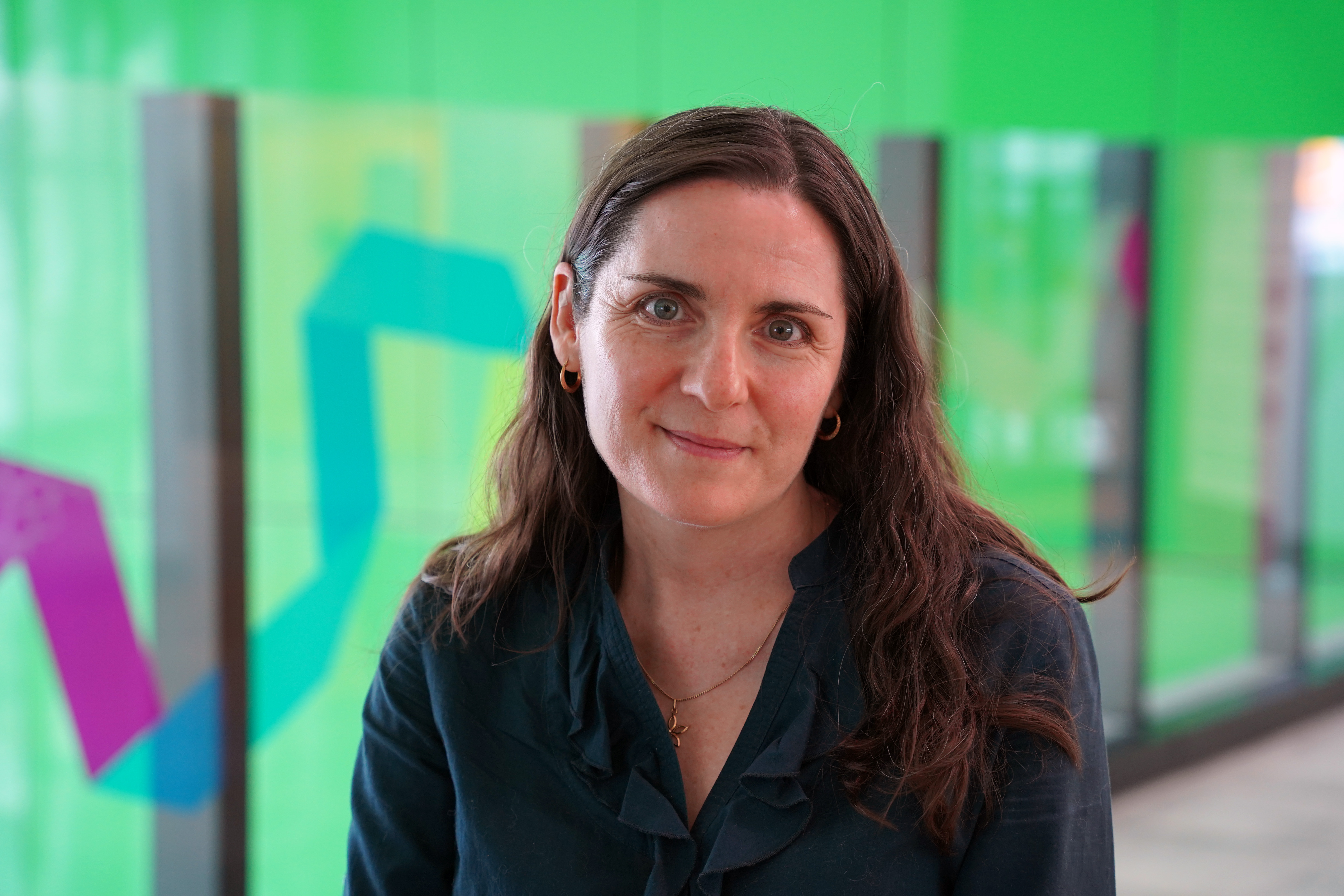
Associate Professor Jeneva Ohan will co-lead research in Embrace's childhood trauma group.

One in three children in WA suffer iron deficiency leading to poor sleep, fussy eating, and behavioural difficulties. This project aims to develop mechanisms to prevent and treat the problems before they become clinically significant and translate findings to other communities to improve childhood wellness.
This article discusses the important issue of the need for a stable definition of intellectual disability in order to allow comparisons by place and over time such as in the monitoring of this population's health needs and utilization. The aim of the new Australian National Centre for Intellectual Disability Health, established in 2023, is to ensure that all Australian children and adults with intellectual disability receive high-quality healthcare that meets their needs.
Sleep disturbance is a common and significant issue for individuals with CDKL5 Deficiency Disorder (CDD) and their families. The study aimed to investigate experiences of sleep disturbance in CDD and associated factors.
CDKL5 deficiency disorder (CDD) is a rare developmental and epileptic encephalopathy. Greater understanding of the smallest meaningful improvements for individuals with CDD in clinical trials and practice is needed for a person-centred approach to treatment efficacy. This study explored how parent/caregivers of people with CDD understood meaningful improvements and described change for priority functional domains including communication, gross motor, fine motor, feeding.
CDKL5 deficiency disorder is a rare and severe developmental and epileptic encephalopathy that has profound effects on communication. It is essential that communication be measured accurately for upcoming gene therapy trials. The Communication Inventory Disability-Observer Reported was developed from a framework of communication derived from parent/caregiver interview data in consultation with disability and communication experts, and after reviewing concepts in existing measures.
To evaluate the associations between complex hip surgery and subsequent hospitalizations in children with intellectual disability, including a subset of children with cerebral palsy.
The CDKL5 Clinical Severity Assessment is a comprehensive, content-validated measurement tool capturing the diverse challenges of cyclin-dependent kinase-like 5 deficiency disorder, a genetically caused developmental epileptic encephalopathy. The CCSA is divided into clinician-reported and caregiver-reported assessments. The aim of this study was to evaluate the factor structure of these measures through confirmatory factor analysis and evaluate their validity and reliability.
CDKL5 deficiency disorder (CDD) results in early-onset epilepsy and lifelong cognitive and motor impairments. With no validated measure for communication in CDD, this study evaluated the psychometric properties of the Communication and Symbolic Behavior Scales-Developmental Profile Infant Toddler Checklist.
The bone marrow microenvironment plays a key role in leukemia progression, but its molecular complexity in pre-B cell acute lymphoblastic leukemia (B-ALL), the most common cancer in children, remains poorly understood. To gain further insight, we used single-cell RNA sequencing to characterize the kinetics of the murine BMM during B-ALL progression.