
Search
Showing results for "clinical trials"
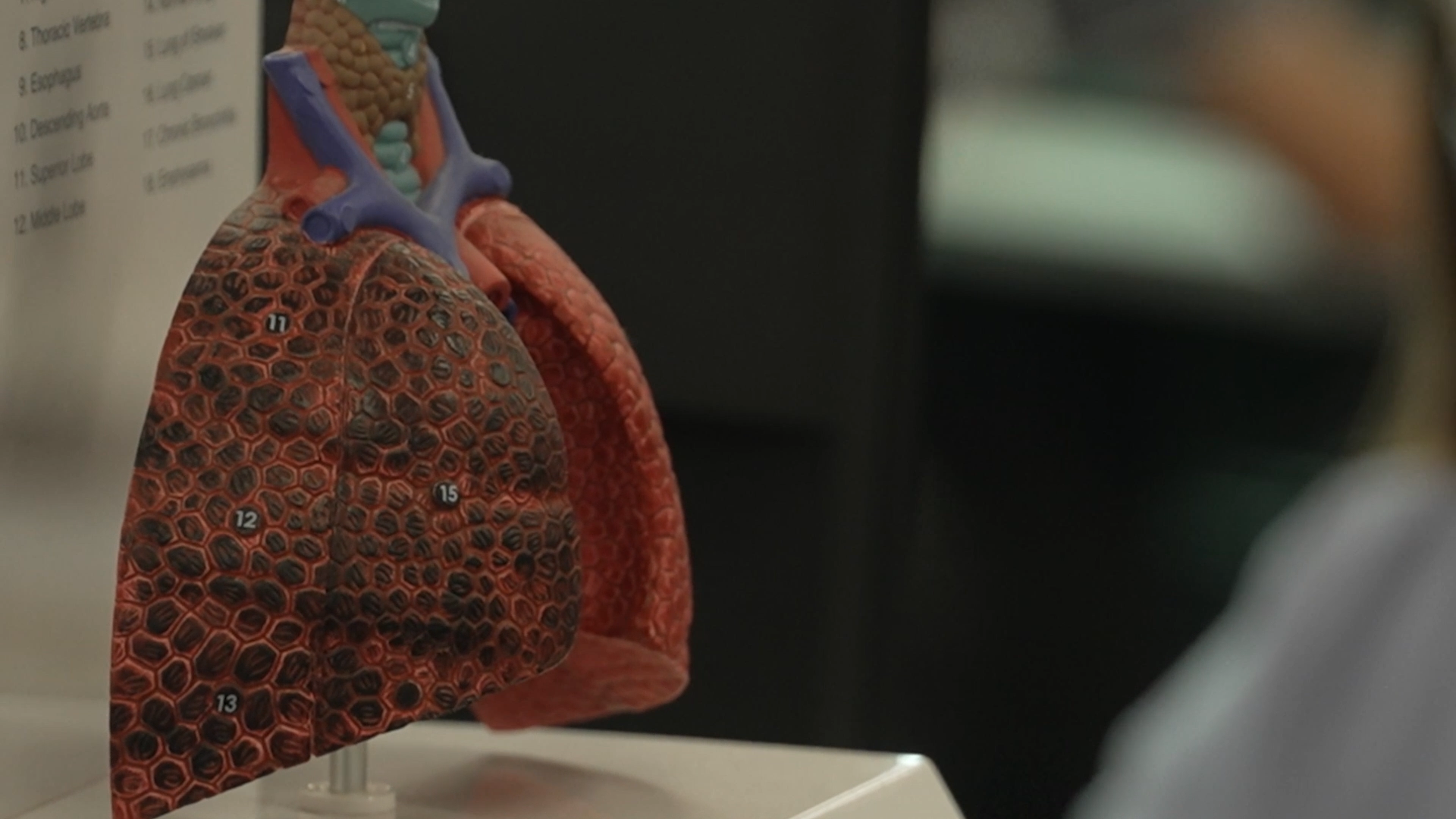
Promising results from an Australian-led clinical trial could drastically change the way we care for young children with cystic fibrosis (CF).

Two outstanding Perth Children’s Hospital clinicians will be supported to pursue a career in medical research, paving the way for more clinician-scientists in Western Australia.
Acute rheumatic fever is an immune-mediated condition triggered by Streptococcus pyogenes sore throat and possibly skin infection, with a substantial burden in resource-limited settings. Clinical decision rules (CDRs) are commonly used to guide antibiotic treatment of sore throat based on signs and symptoms, but their diagnostic accuracy varies by study and setting. This work aimed to assess the accuracy of multiple CDRs in Fiji to diagnose S. pyogenes sore throat.
Heat-inactivated probiotics (HPs) may provide an effective alternative to live probiotics by avoiding their risks (eg, probiotic sepsis) while retaining the benefits. We assessed the safety and efficacy of a HP in very preterm (VP: gestation <32 weeks) infants.
To examine follow-up outcomes at corrected postnatal age (cPNA) 2 years of preterm infants previously enrolled in an RCT and treated with IN-REC-SUR-E or IN-SUR-E in 35 tertiary neonatal intensive care units.
Patients with cardiovascular disease benefit from cardiac rehabilitation, which includes structured exercise and physical activity as core components. This position statement provides pragmatic, evidence-based guidance for the assessment and prescription of exercise and physical activity for cardiac rehabilitation clinicians, recognising the latest international guidelines, scientific evidence and the increasing use of technology and virtual delivery methods.
Clinical practice guidelines (CPGs) improve patient care by standardising medical practice. However, little is known about their applicability in low-resource settings. Since 2010, Fiji has introduced guidelines to increase the application of evidence-based practice.
To determine the efficacy of advanced hybrid closed-loop therapy in a high-risk cohort of youth on continuous subcutaneous insulin infusion with or without continuous glucose monitoring with suboptimal glycemia.
Advanced hybrid closed-loop (AHCL) therapy with the Medtronic MiniMed™ 780G system improves glycemia; however, the clinical outcomes in younger children remain less established. This pilot study aimed to explore the continuous glucose monitoring (CGM) metrics in very young children on AHCL. Children between 2 and 7 years of age and on insulin pump therapy were recruited.
To assess relationships between continuous glucose monitoring (CGM) time in range (TIR), 70-180 mg/dL, time below range (TBR), <70 mg/dL, time above range (TAR), >180 mg/dL, and glucose coefficient of variation (CV) in relation to currently recommended clinical CGM targets for older people, which recommend reduced TIR and TBR targets relative to the general type 1 diabetes population.