
Search
Showing results for "lung disease preterm"
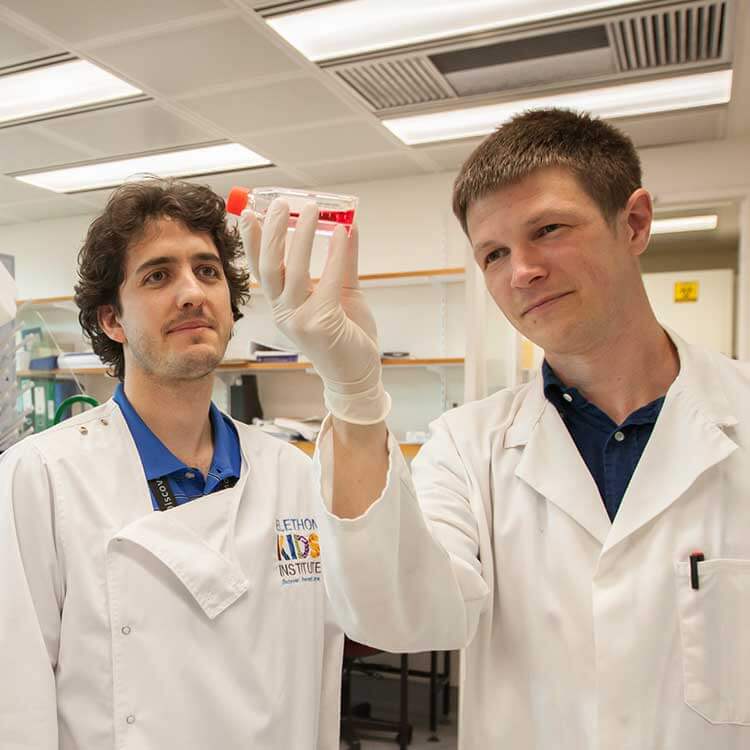
The Pregnancy and Early Life Immunology team's overall research vision is targeted towards understanding immunological development during early life.
People at risk of developing multiple sclerosis (MS) have been offered a beacon of hope thanks to research into UV exposure.
A report outlining key steps to tackle a common and aggressive childhood brain tumor is gaining rapid momentum after attracting international attention.
Skin disease has several serious complications including heart and kidney disease.
Detection of pneumonia-causing respiratory viruses in the nasopharynx of asymptomatic children has made their actual contribution to pneumonia unclear. We compared nasopharyngeal viral density between children with and without pneumonia to understand if viral density could be used to diagnose pneumonia.
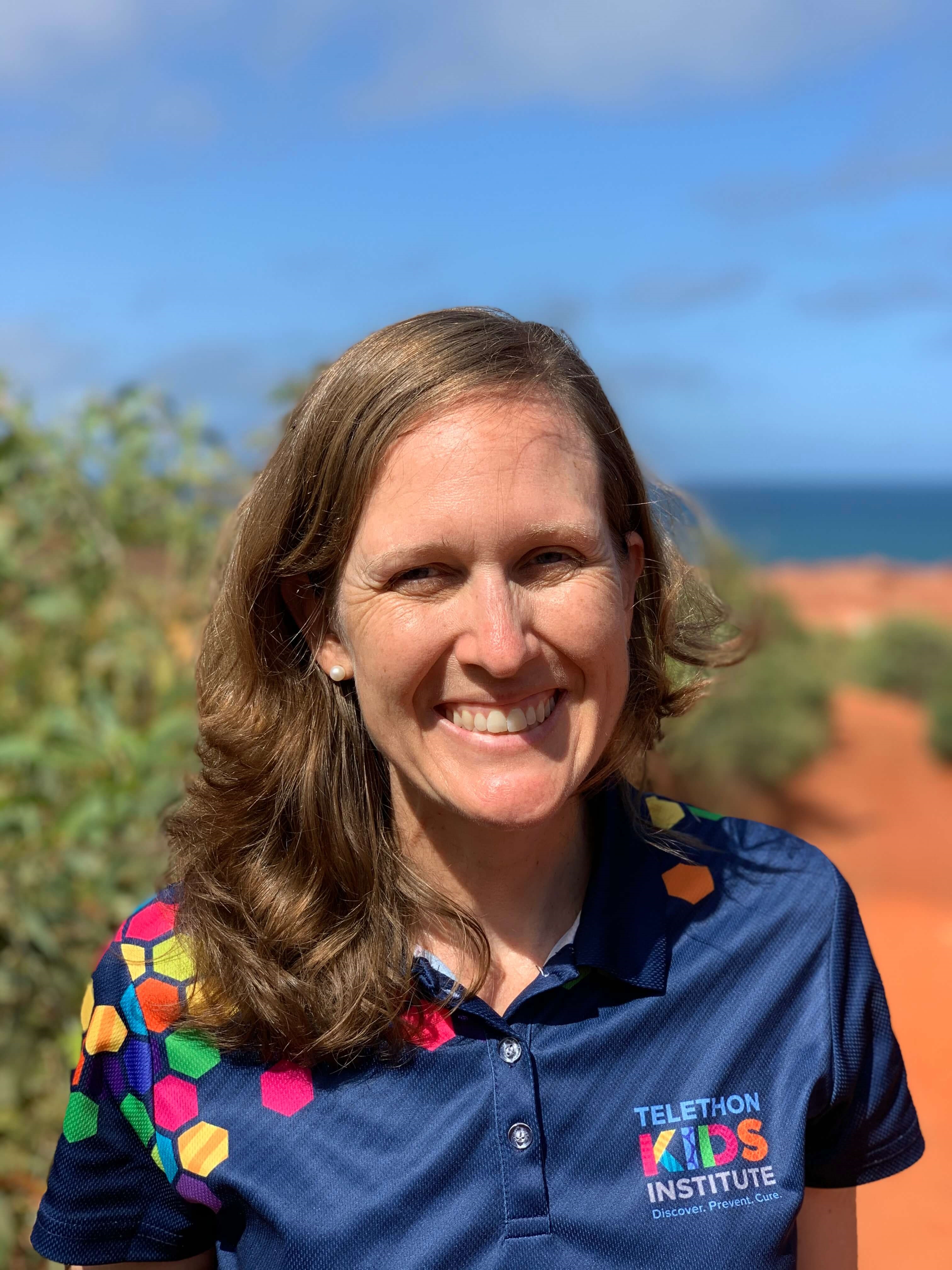
Paediatric infectious disease expert and clinician-scientist Associate Professor Asha Bowen has been named as the Emerging Leader in Science at the country’s most prestigious science awards – the Australian Museum Eureka Prizes.
One of the researchers who helped crack the code of 10-year-old Northam girl Charlotte Patterson’s incredibly rare disease has received State Government funding that will allow her to use the same methods to rapidly assess the cases of hundreds more patients living with undiagnosed disease.
Although Streptococcus pyogenes (Strep A) is the sixth-most common infectious disease globally, its transmission within the household remains an understudied driver of infection. We undertook a systematic review to better understand the transmission of Strep A among people within the home, while highlighting opportunities for prevention.
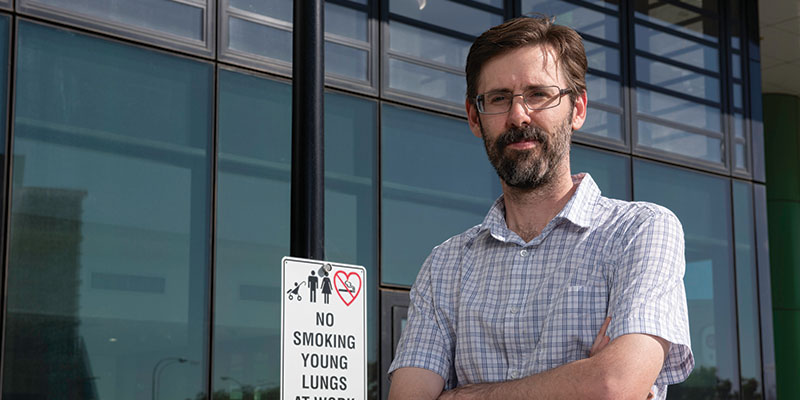
Telethon Kids Institute-led research revealing that six out of 10 nicotine free e-cigarette liquids contained nicotine and other potentially harmful chemicals.

The Kids Research Institute Australia researcher, Niamh Troy, has been named a joint winner of the Exxon Mobile Student Scientist of the Year award at the Premier’s Science Awards.