
Search
Showing results for "aboriginal respiratory"
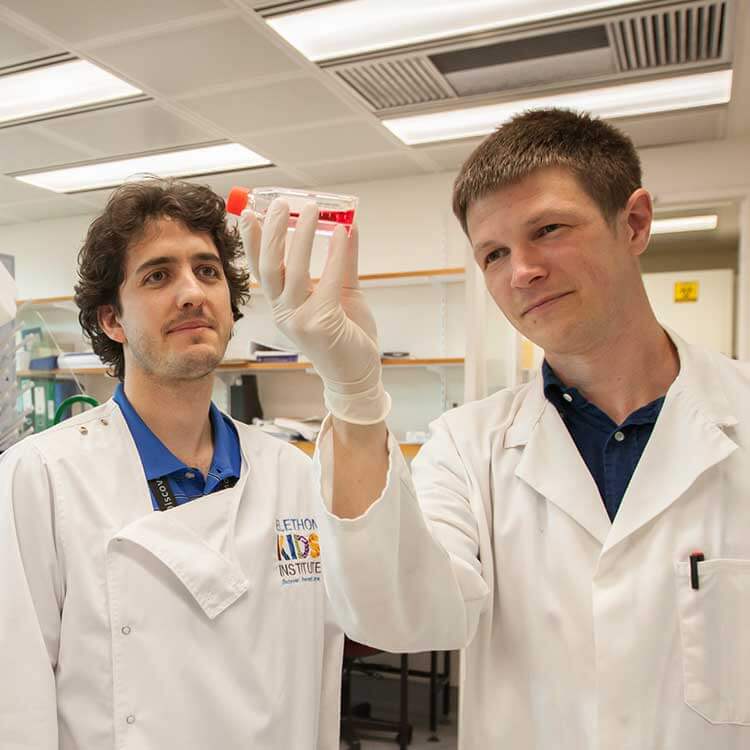
The Pregnancy and Early Life Immunology team's overall research vision is targeted towards understanding immunological development during early life.
Studies in Europe show exposure of pregnant women to high levels of microbial products stimulate immune function maturation in their offspring
This project investigates how cells of the immune system respond to substances to cause allergies to help develop new treatments.
Human perinatal life is characterized by a period of extraordinary change during which newborns encounter abundant environmental stimuli and exposure to potential pathogens. To meet such challenges, the neonatal immune system is equipped with unique functional characteristics that adapt to changing conditions as development progresses across the early years of life, but the molecular characteristics of such adaptations remain poorly understood.
Many survivors of preterm birth (<37 weeks gestation) have lifelong respiratory deficits, the drivers of which remain unknown. Influencers of pathophysiological outcomes are often detectable at the gene level and pinpointing these differences can help guide targeted research and interventions. This study provides the first transcriptomic analysis of primary nasal airway epithelial cells in survivors of preterm birth at approximately 1 year of age.

The Kids Research Institute developed a world-first RSV transmission model using real data to predict the impact of WA’s immunisation program for young children.
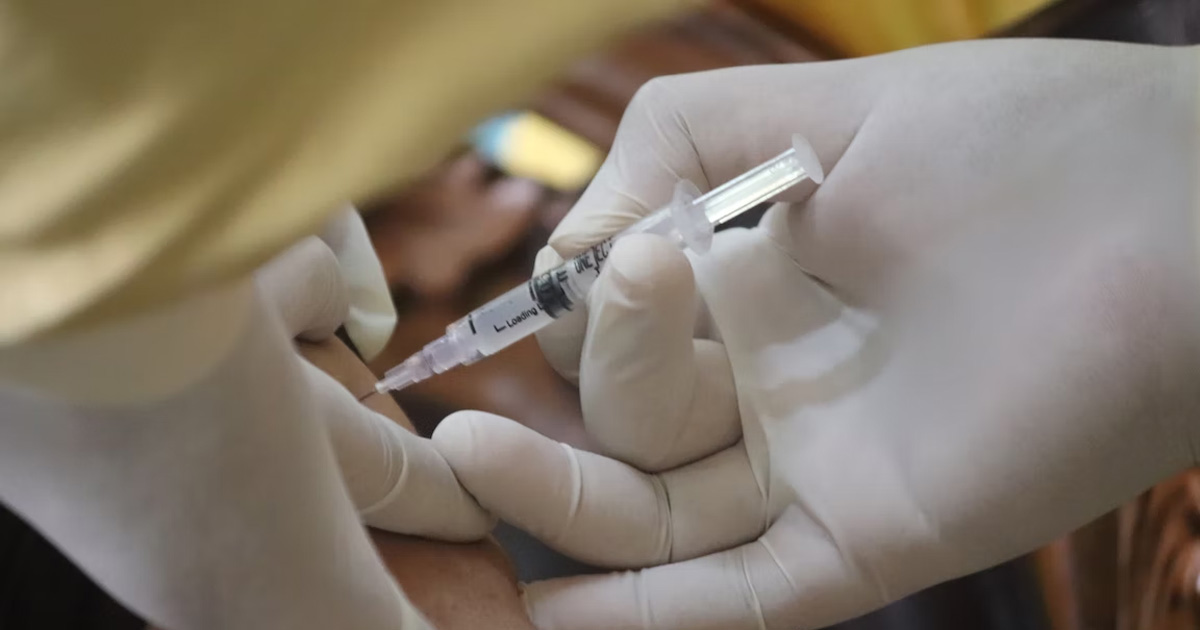
A The Kids Research Institute Australia study has suggested the seasonal flu vaccine for children could also protect them from respiratory syncytial virus (RSV), with the dual benefit easing pressure on hospitals.

A The Kids Research Institute Australia research student concerned by the types of injuries he was seeing in emergency departments as a trainee doctor has spearheaded an Australia-first study.

Poverty invades every aspect of a child’s life and, as a growing body of research tells us, affects physical and mental wellbeing as well as future opportunitie
This study provides new knowledge on ARF characteristics and management and highlights international variation in diagnostic and management practice.