
There is now good evidence that behavioural signs of autism spectrum conditions (autism) emerge over the first two years of life. Identifying clear d…
This study adds to the current literature by using a novel device-based method to explore where preschool children are physically active outside of h…
The aim of this project was to conduct a critical analysis of the AEDC data for NSW children to understand the factors contributing to the changes in…
Eating a regular, healthy breakfast is required to support good health, wellbeing and development throughout childhood and adolescence.
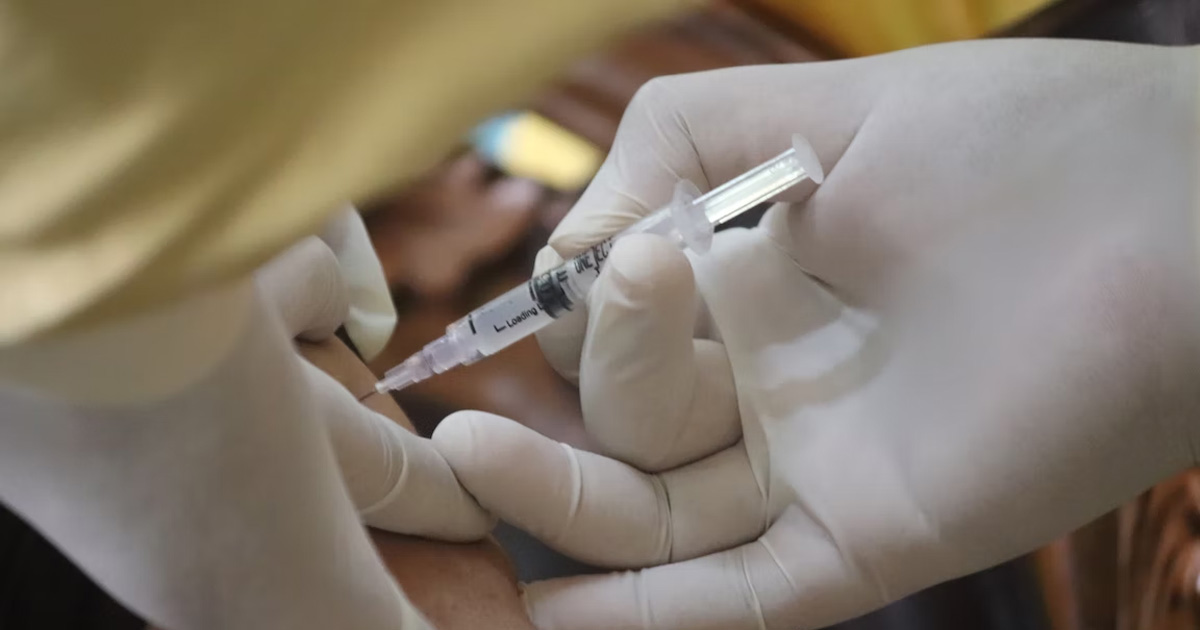
A The Kids Research Institute Australia study has suggested the seasonal flu vaccine for children could also protect them from respiratory syncytial…

The AERIAL study, in partnership with The ORIGINS Project, endeavours to understand if exposures during pregnancy and early life can affect the cells…
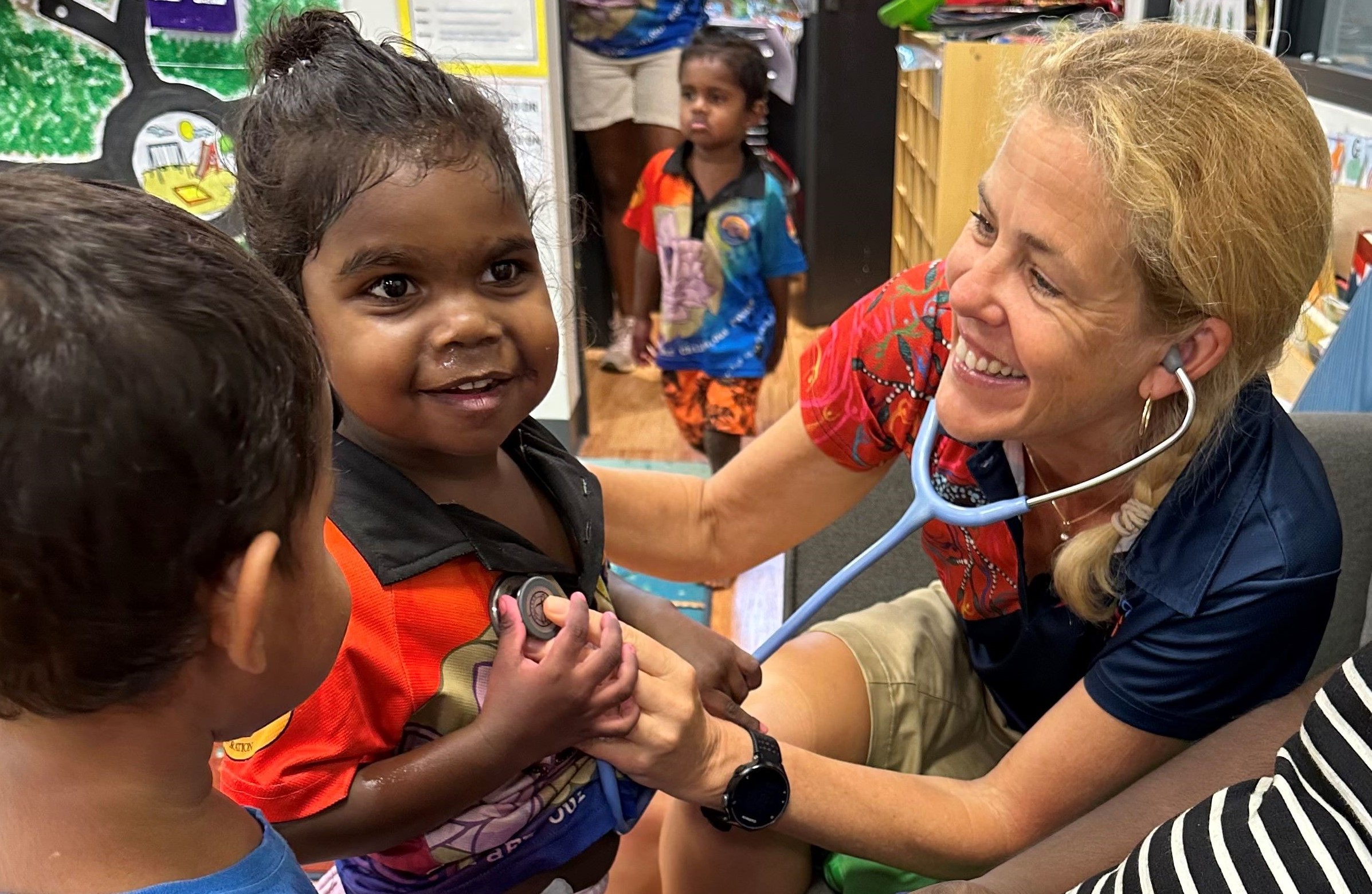
The Wal-yan Centre’s Annual Reports highlight the achievements of our researchers, which bring us closer to our vision to ensure that all children ha…
Siblings of individuals with neurodevelopmental conditions (NDCs) have greater incidence of neuropsychiatric diagnoses and neurocognitive difficultie…