
Search
Showing results for "aboriginal respiratory"
Genetic factors in airway epithelial cells that are functionally associated with asthma pathogenesis
B-cell dysfunction persists in patients with HIV receiving long-term antiretroviral therapy. the causes and consequences of this require further investigation.
Although antenatal influenza vaccination is an important public health intervention for preventing serious infection in pregnant women and newborns, reported...
Although influenza vaccination is recommended during pregnancy as standard of care, limited surveillance data are available for monitoring uptake.
Determinants of culture success through retrospective analysis of a program of routinely brushing children with Cystic Fibrosis airway disease

National research led by the Wesfarmers Centre of Vaccines and Infectious Diseases, based at The Kids Research Institute Australia, has secured more than $3.4 million to assess the epidemiology of respiratory syncytial virus (RSV) throughout the country and optimise Australia’s immunisation strategy.
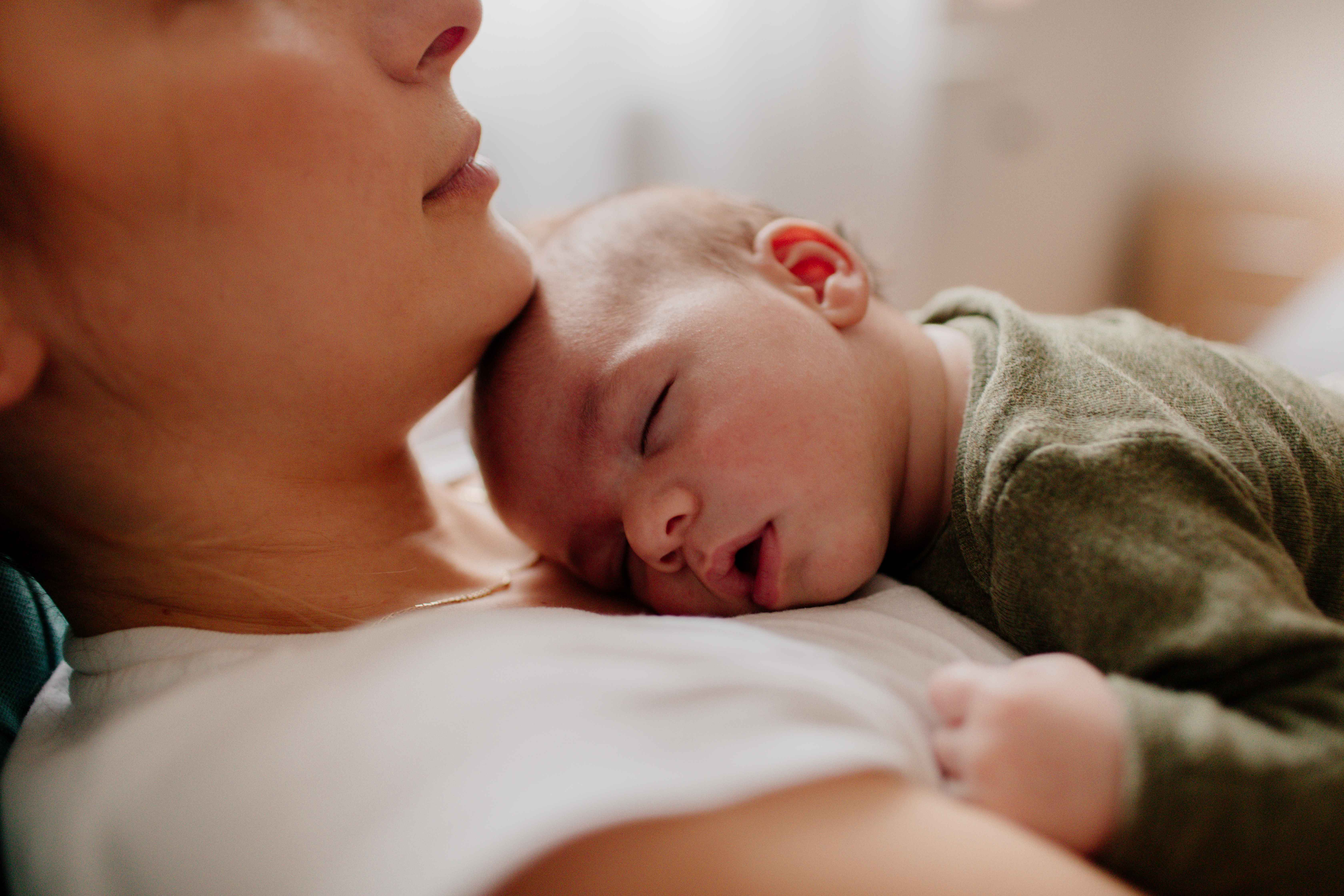
Researchers from the Wesfarmers Centre of Vaccines and Infectious Diseases, based at The Kids Research Institute Australia, have launched an online guidance tool designed to help families and health-care providers in WA learn the best way to protect babies and young children against life-threatening respiratory syncytial virus (RSV).
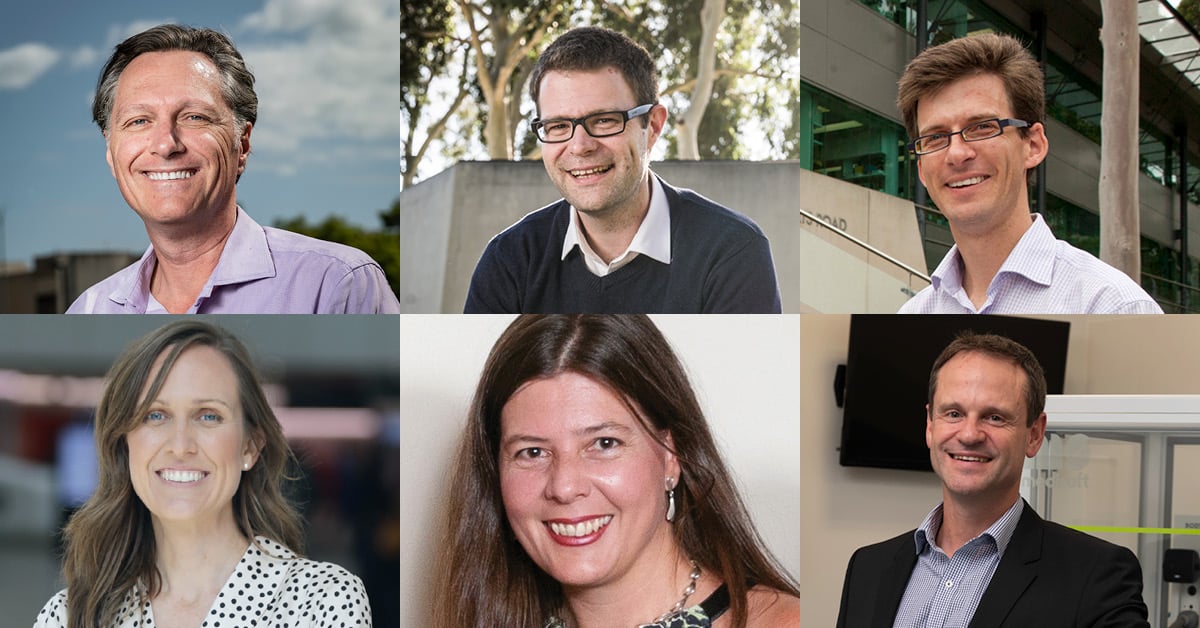
The Kids researchers have been awarded over $9 million in National Health and Medical Research Council (NHMRC) funding towards child health research including rheumatic heart disease, respiratory infections, and autism spectrum disorder.

One in ten Australians have asthma and Dr Kimberley Wang from The Kids Research Institute Australia is on a mission to find out what causes it.
In human asthma, and experimental allergic airways disease in mice, antigen-presenting cells and CD4(+) effector cells at the airway mucosa orchestrate, and CD4