
Search
Showing results for "mental health aboriginal"
Overweight and obese children reported greater psychosocial distress than healthy weight children, and these differences were more pronounced for girls than boys.
The need to target prevention and intervention efforts for childhood overweight and obesity towards families with overweight parents
Relationships between context-specific measures of the physical and social environment and children's independent mobility to neighborhood destination types...
The aim of this study was to examine the relationship between duration of breastfeeding and educational outcomes.
The aim of this study was to investigate the relationship between a child's weight and a broad range of family and maternal factors.
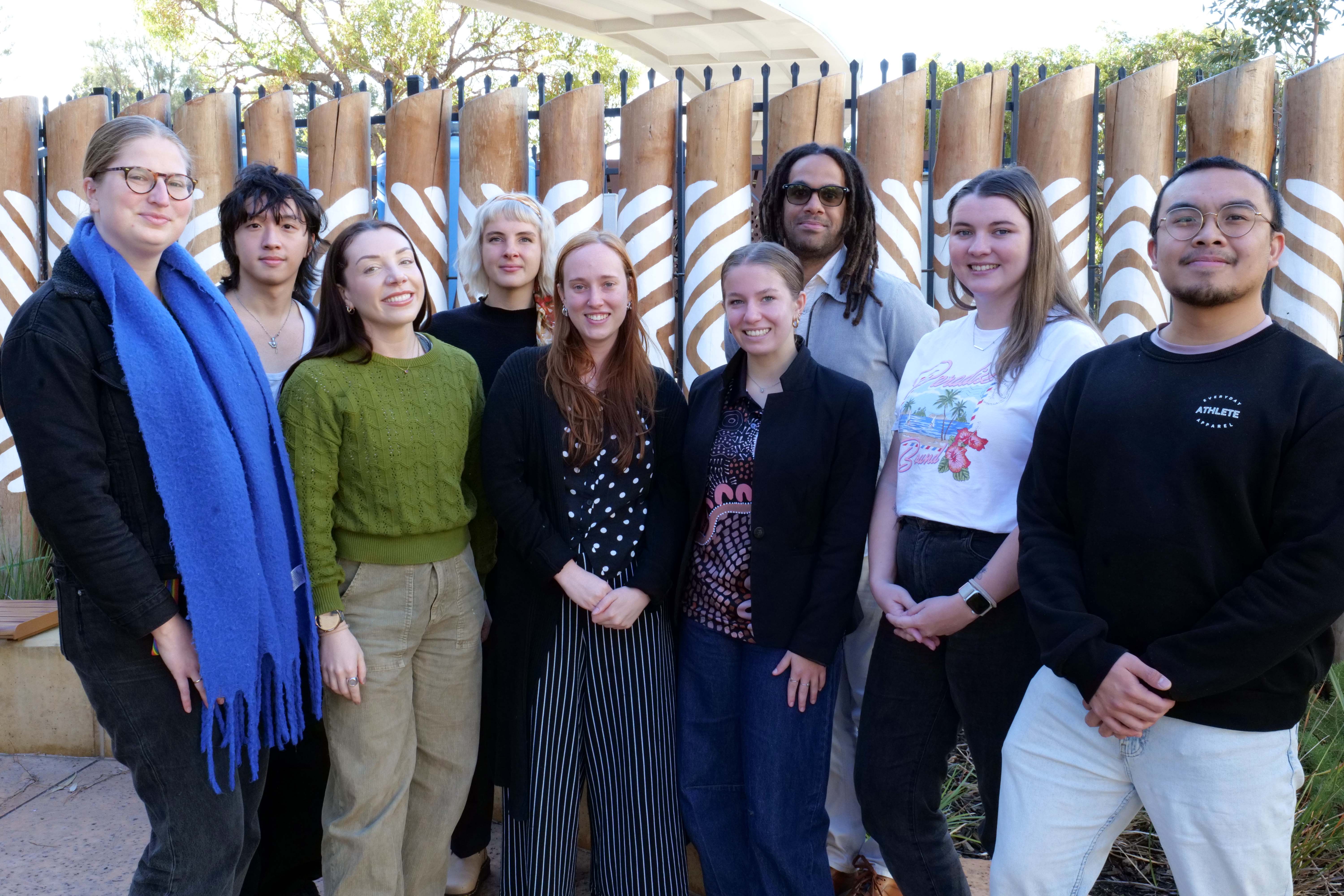
Senior researcher Dr Alix Woolard reflects on the legacy she leaves behind with Embrace Co-Director Professor Helen Milroy AM.
Respiratory failure, multiple organ failure, shortness of breath, recovery, and mortality have been identified as critically important core outcomes by more than 9300 patients, health professionals, and the public from 111 countries in the global coronavirus disease 2019 core outcome set initiative. The aim of this project was to establish the core outcome measures for these domains for trials in coronavirus disease 2019. Three online consensus workshops were convened to establish outcome measures for the four core domains of respiratory failure, multiple organ failure, shortness of breath, and recovery.
Benzathine penicillin G has been used as monthly deep intramuscular (IM) injections since the 1950s for secondary prevention of acute rheumatic fever and rheumatic heart disease (RHD). Injection frequency and pain are major programmatic barriers for adherence, prompting calls for development of better long-acting penicillin preparations to prevent RHD.
Few children and adolescents receiving BPG as secondary prophylaxis will achieve concentrations >0.02 mg/L for the majority of the time between injections
The Sharing Knowledge About Immunisation project aims to develop effective communication tools to support primary health care providers' consultations with parents