
Search
Showing results for "aboriginal respiratory"
The airway epithelium in asthma displays altered repair and incomplete barrier formation.
Pneumococcal colonization of the nasopharynx is especially common in young children and is a pre-requisite for pneumococcal disease...
In human asthma, and experimental allergic airways disease in mice, antigen-presenting cells and CD4(+) effector cells at the airway mucosa orchestrate, and CD4
This study will identify how the immune system contributes to neurodevelopmental outcomes and will investigate the use of an agent from traditional medicines.
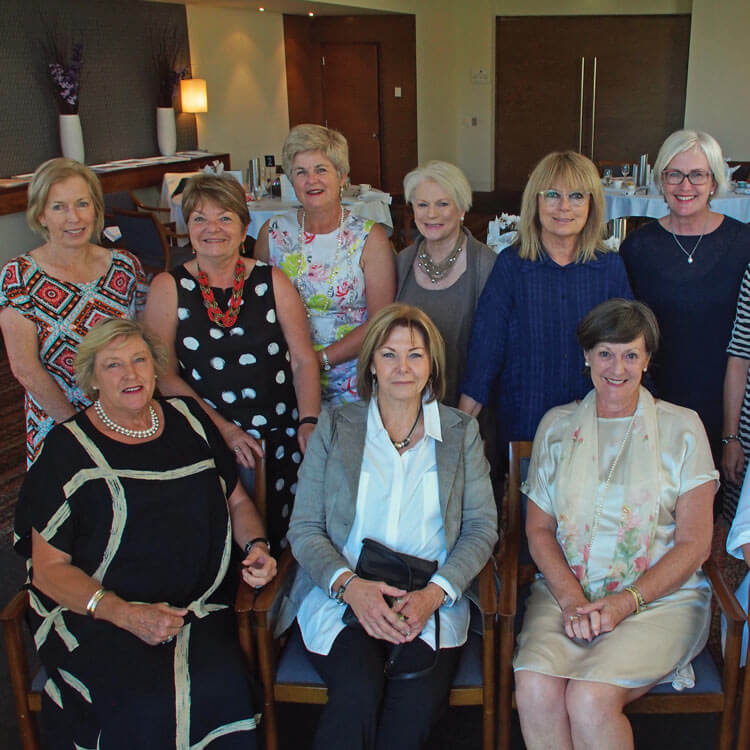
Meet the Friends of the Institute, a very impactful group of volunteers whose Friend-raising efforts have supported The Kids for more than 25 years.
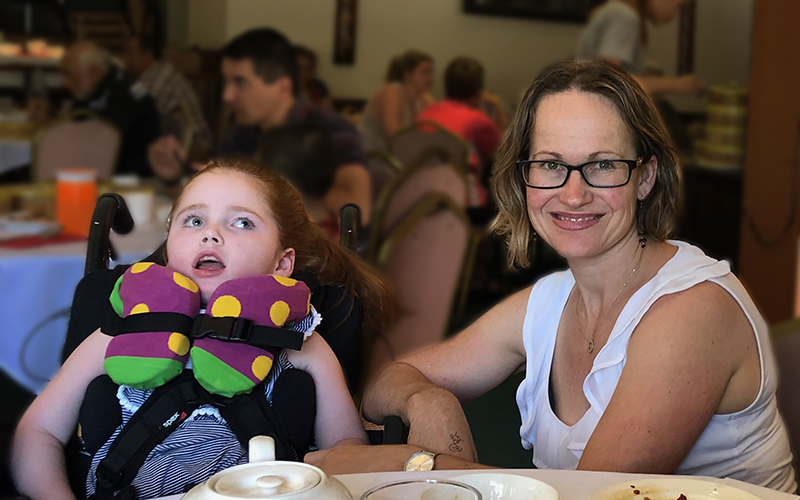
Children with intellectual disability who underwent gastrostomy – a feeding tube placed into the stomach – had better overall health and fewer hospitalisations for all causes except acute respiratory illnesses, research led by The Kids Research Institute Australia has found.
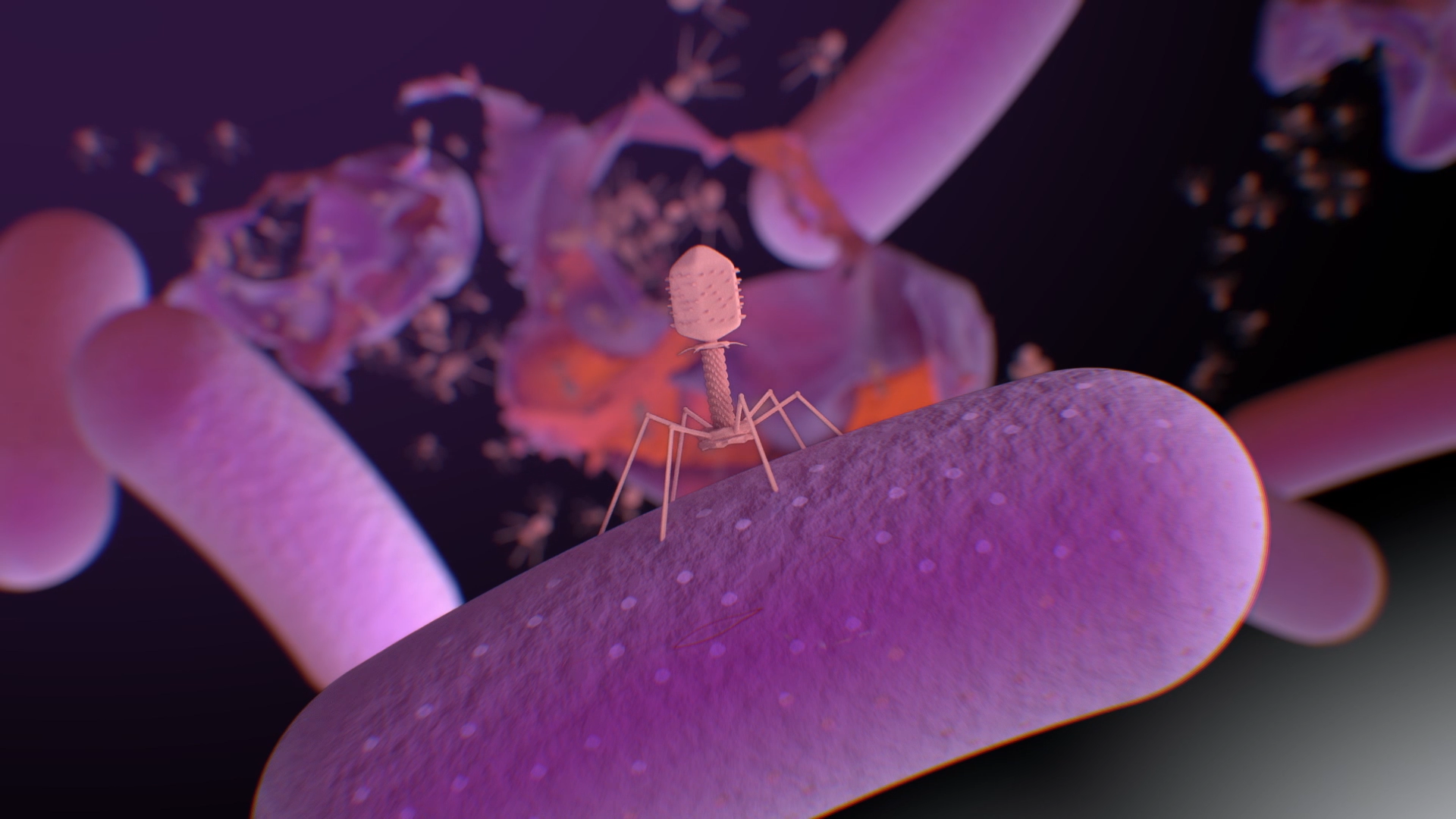
Phage WA have a number of projects underway and these cover a broad range of phage research areas.
Macrophages are the major resident immune cells in human airways coordinating responses to infection and injury. In cystic fibrosis, neutrophils are recruited to the airways shortly after birth, and actively exocytose damaging enzymes prior to chronic infection, suggesting a potential defect in macrophage immunomodulatory function.
Britta Regli-von Ungern-Sternberg AM FAHMS MD, PhD, DEAA, FANZA Chair of Paediatric anaesthesia, University of Western Australia; Consultant
There is a strong theoretical rationale for combining checkpoint blockade with cytotoxic chemotherapy in pleural mesothelioma and other cancers.