
Search
Showing results for "mental health aboriginal"
Few clinical respiratory laboratories have assessed the impact of changing reference equations on the interpretation of spirometric outcomes.
Respiratory function impacts on musical expression for wind/brass (W/B) musicians. Investigation of musicians' respiratory health to date has rarely...
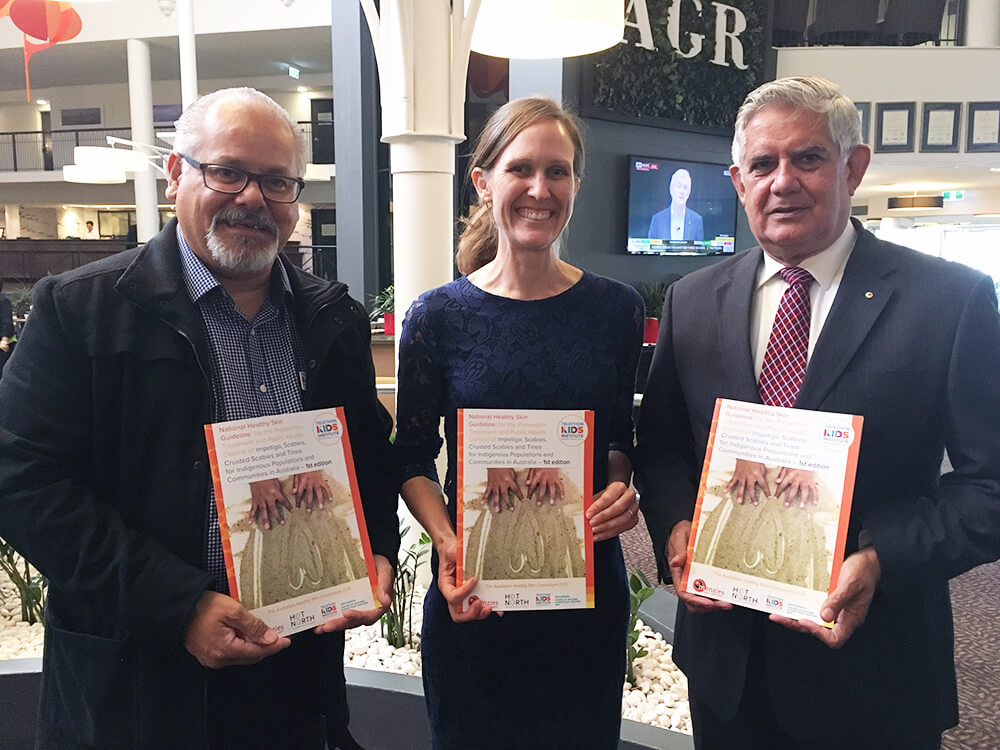
Researchers have developed the first National Healthy Skin Guideline to address record rates of skin infections in Australia’s Indigenous communities.
This study provides evidence to support annual inactivated influenza vaccine administration to children following allogeneic haematopoietic stem cell transplant
The objective of this study was to describe the occurrence of skin infection associated hospitalizations in children born in Western Australia (WA).
Sugar-sweetened beverages (SSBs) account for a significant proportion of sugar in the diet of children and are directly associated with obesity in this group. While there have been many studies on adolescent SSB consumption, few studies have examined the predictors of SSB consumption in primary-school-aged children. The aim of this study was to understand the degree to which a child's consumption across a range of beverages is influenced by their own attitudes and by their parents' attitudes and parents' consumption behaviours.

Early career researchers across The Kids Research Institute Australia have come together in a serendipitous project that is laying the groundwork for a more informed discussion of the impact of social media on kids and young people.
Group A streptococcus (GAS) infections, such as pharyngitis and impetigo, can lead to rheumatic fever and rheumatic heart disease (RHD). Australian Aboriginal and Torres Strait Islander populations experience high rates of RHD and GAS skin infection, yet rates of GAS pharyngitis are unclear.
This study examined stakeholders' perceptions regarding the acceptability, usability, and dissemination of the Australian 24-Hour Movement Guidelines
To determine age-specific and age-standardised incidence trends of acute rheumatic fever (ARF) or rheumatic heart disease (RHD) among Indigenous Western Australians aged less than 35 years of age.