
Search
Showing results for "8"
Allergen-specific immunoglobulin E (present in allergic sensitization) has a central role in the pathogenesis of allergic disease.
Exposure to elevated maternal pre-pregnancy BMI is associated with increased levels of internalizing and externalizing problems throughout childhood and...
Complement is an important part of the immune system. It is initiated through three different pathways known as the classical, lectin, and alternative pathway.
Nonalcoholic fatty liver disease (NAFLD) is a predominantly adult-diagnosed disorder. Knowledge regarding the epidemiology, phenotype, and metabolic risk...
Three experiments investigated the role of inner speech deficit in cognitive performances of children with autism.
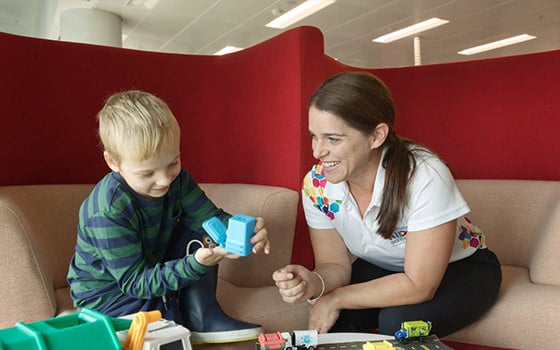
Our vision is to increase awareness and improve outcomes for children with movement disorders and other neurodevelopmental conditions impacting on motor function.
The goals of the current study were to identify different trajectories of sadness from Grade 6 to 9 in Australian school students, and to explore the role that social support from school, teachers, friends and families play in supporting students’ mental health.
You can make a difference to kids’ health at any age. Just ask 11-year-old Charlotte, who raised more than $11,000 for kids’ brain cancer research at The Kids Research Institute Australia simply by shaving her head.
Admin assistant
Senior Research Officer - Brain and Behaviour