
Search
Showing results for "aboriginal respiratory"

Changes in airway inflammation with pseudomonas eradication in early cystic fibrosis Background: Neutrophil elastase is a significant risk factor for
BAL Inflammatory Markers Can Predict Pulmonary Exacerbations in Children With Cystic Fibrosis Background: Pulmonary exacerbations in cystic fibrosis
Initial acquisition and succession of the cystic fibrosis lung microbiome is associated with disease progression in infants and preschool children
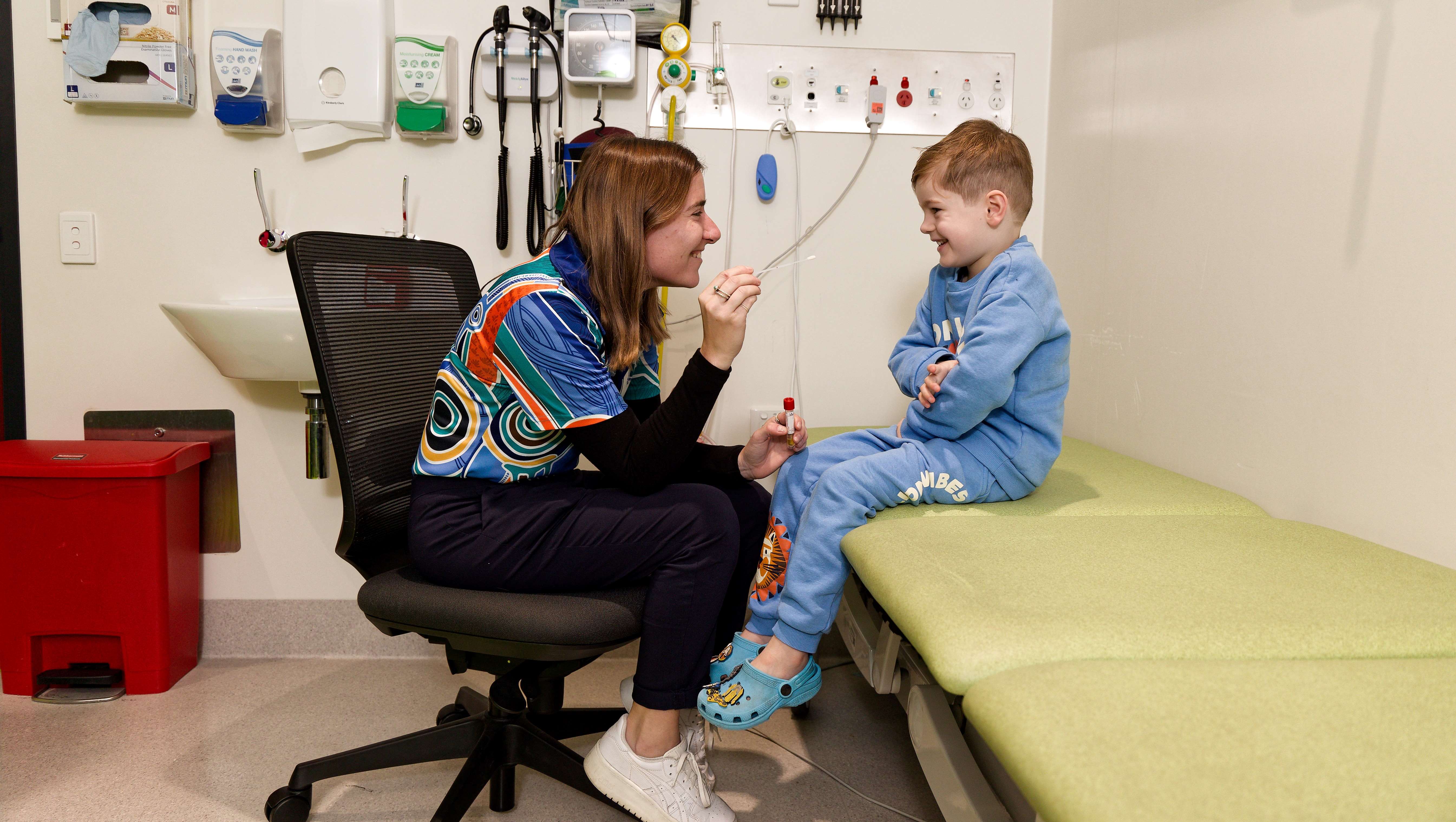
Researchers from The Kids Research Institute Australia would like to understand more about respiratory syncytial virus (RSV) and how we can provide the best protection for kids.
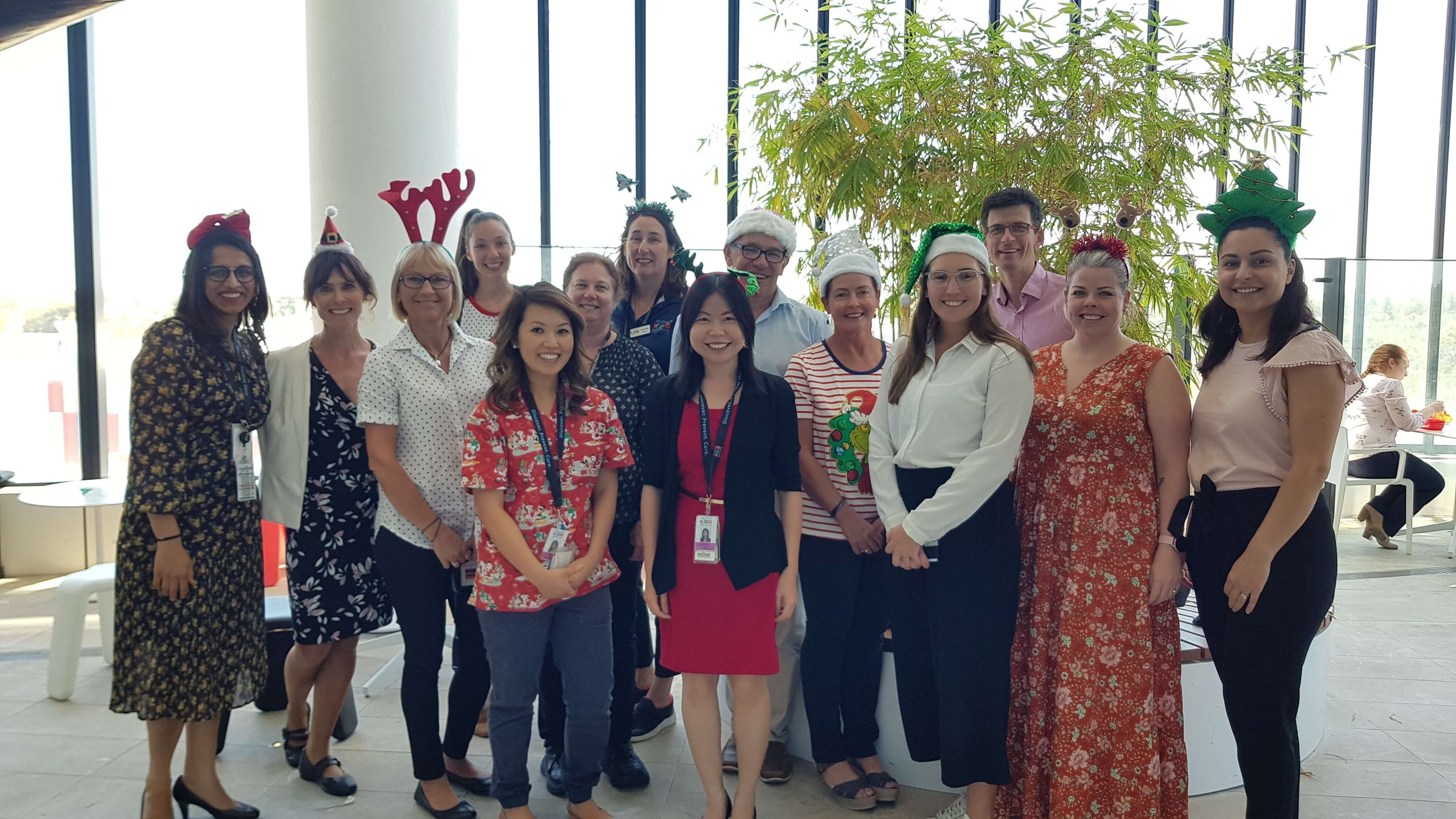
Coming up in 2021 Contact us We have a a study to suit every age range in 2021! From babies at just six weeks for the FluBub Study, through to

Thanks to 30 years of support from the WA community, The Kids Research Institute Australia is home to some of the world’s best researchers.
The increasing occurrence of hospital-associated infections, particularly bacteremia, caused by extensively drug-resistant (XDR) carbapenemase-producing colistin-resistant Klebsiella pneumoniae highlights a critical requirement to discover new therapeutic alternatives. Bacteriophages having host-specific bacteriolytic effects are promising alternatives for combating these pathogens.
Persistent bacterial lung infections in children lead to significant morbidity and mortality due to antibiotic resistance. In this paper, we describe how phage therapy has shown remarkable efficacy in preclinical and clinical studies, demonstrating significant therapeutic benefits through various administration routes.
Acinetobacter baumannii is a common pathogen associated with hospital-acquired pneumonia showing increased resistance to carbapenem and colistin antibiotics nowadays. Infections with A. baumannii cause high patient fatalities due to their capability to evade current antimicrobial therapies, emphasizing the urgency of developing viable therapeutics to treat A. baumannii-associated pneumonia.
Britta Regli-von Ungern-Sternberg AM FAHMS MD, PhD, DEAA, FANZA Chair of Paediatric anaesthesia, University of Western Australia; Consultant