
Search
Showing results for "Childhood interstitial lung disease "
Neisseria meningitidis serogroups B, C, and Y cause most meningococcal disease in industrialized countries...
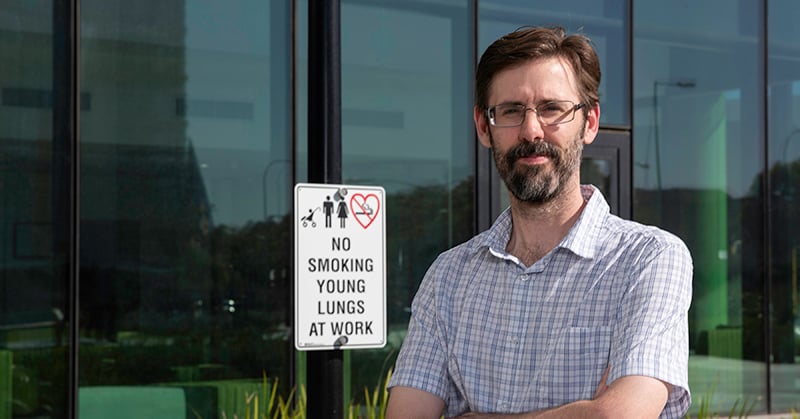
The lungs represent a key interface between the body and the environment.
The Kids Discovery Centre is offering a brand-new program of fun and engaging workshops for kids during the Term 3 School Holidays.
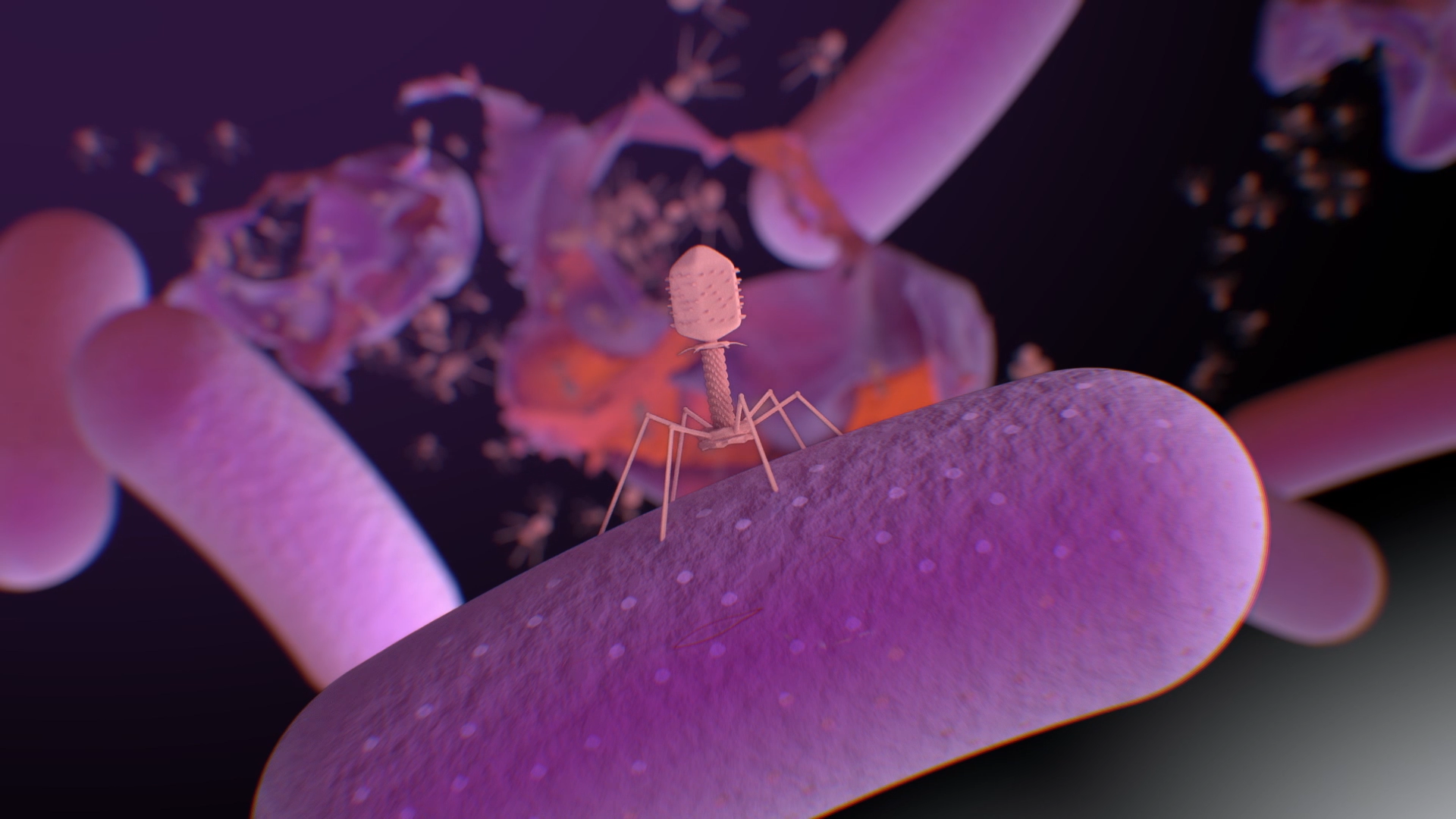
Find out how you can get involved with our work at Phage WA.
Hear from CoLab Director Professor Donna Cross as we provide an overview of the early childhood landscape and launch the CoLab Strategic Framework.
This article examines the relationship between preschool quality and children’s early development in a sample of over 7900 children enrolled in 578 preschools in rural Indonesia.
Epidemiological studies indicate that children of parents with mental health problems are at an increased risk of developing anxiety disorders. Few studies have investigated this relationship in young adults. Participants were from the Raine Study, which is a multi-generational birth cohort study in Australia. Maternal anxiety and depression in late childhood were assessed using the Depression, Anxiety, and Stress Scale (DASS-42), and paternal lifetime mental health problems were assessed using a self-reported questionnaire.
Interparental conflict (IPC) has the potential to adversely affect children's social, emotional, and behavioural functioning. The overall objective of this study was to investigate the relationship between both the severity and chronicity of IPC across early and middle childhood and children's emotional-behavioural functioning at 10-11 years. Specifically, we aimed to: (1) identify distinct trajectories of IPC spanning 10-11 years since birth of the study child as reported by mothers, and (2) examine the emotional-behavioural functioning of children exposed to the identified IPC trajectories.
This study examined associations among preschool attendance, home learning activities, stunting status, and early child development using data from the validation study of the East Asia–Pacific Early Child Development Scales (EAP-ECDS).
Recent evidence indicates that a child’s home learning environment is the strongest predictor of success in later reading abilities and that for children not receiving structured language and reading support at home.