
Search
Showing results for "Childhood interstitial lung disease "

Senior Research Fellow in the Strep A Translation team

Program Assistant
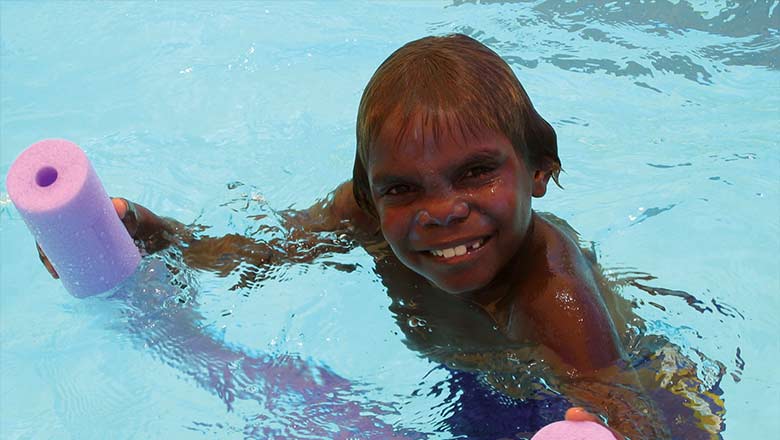
A comprehensive study into the impact of swimming pools in remote Aboriginal communities has found significant health and social benefits for children.
The development of Vigilant Attention (VA), the ability to focus and maintain our attention to repetitive and cognitively unchallenging tasks over time, has been investigated for more than a decade. The development of this critical executive function across the lifespan has been characterised by a rapid improvement in VA performance throughout childhood and adolescence, a steady improvement in adulthood and a slow decline in older adulthood.
Whole-school capacity-building intervention in early and middle childhood can improve the likelihood and frequency of positive parent–child communication about bullying
Early life feeding practices have an influence on motor development outcomes into late childhood and adolescence independent of sociodemographic factors
Binge eating disorder and purging disorder have gained recognition as distinct eating disorder diagnoses, but risk factors for these conditions have not yet...
This chapter describes the development of young children in a sample of poor rural communities across Indonesia.

Discover the EYI Research Profile at The Kids' Institute, showcasing innovative child health research and its impact on young lives.
See how a new comprehensive cancer centre is helping more children survive and thrive.