
Search
Showing results for "clinical trials"
Parents and carers are often asking how to help manage screen time and especially avoiding 'techno tantrums' when asking children to stop using devices.
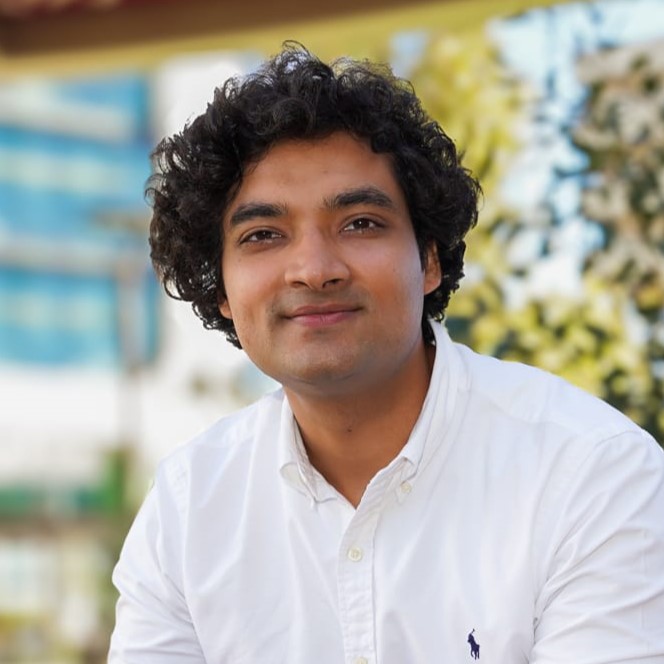
Maheshwar Bhasin, PhD Student, Centre for Immunology and breastfeeding
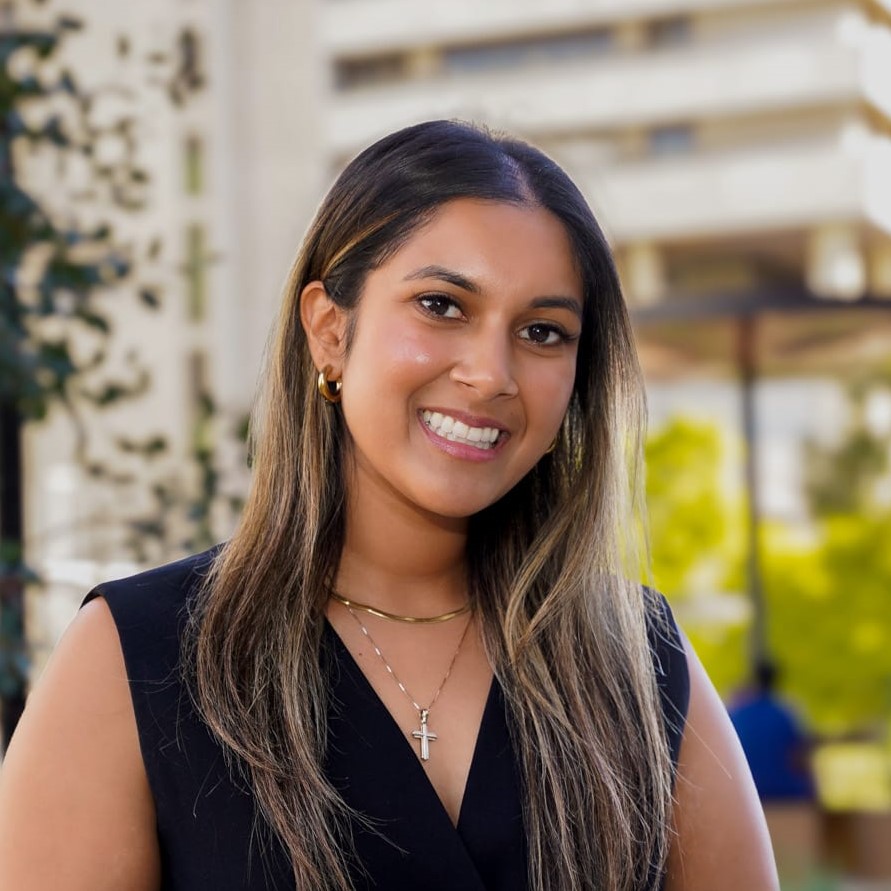
Savannah Machado, Research Assistant. Centre for Immunology and Breastfeeding
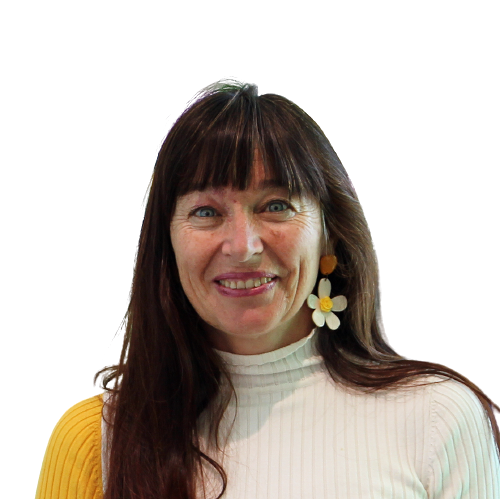
Head, Immunology and Breastfeeding
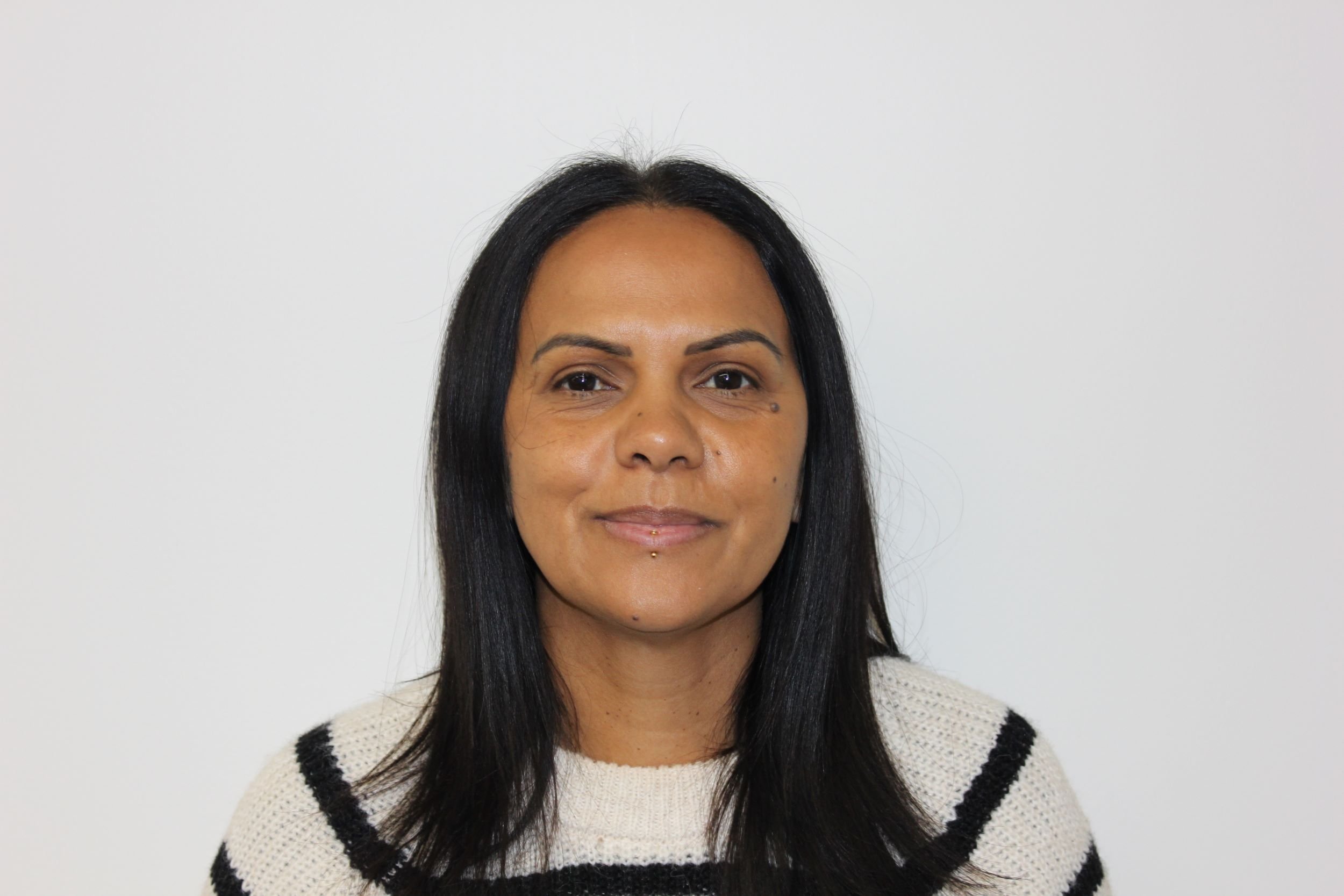
Liz Wilkes is a Noongar woman with family connections to the Wadjuk and Ballardong tribes. She has a background in nursing and a passion for Aboriginal health and community engagement.
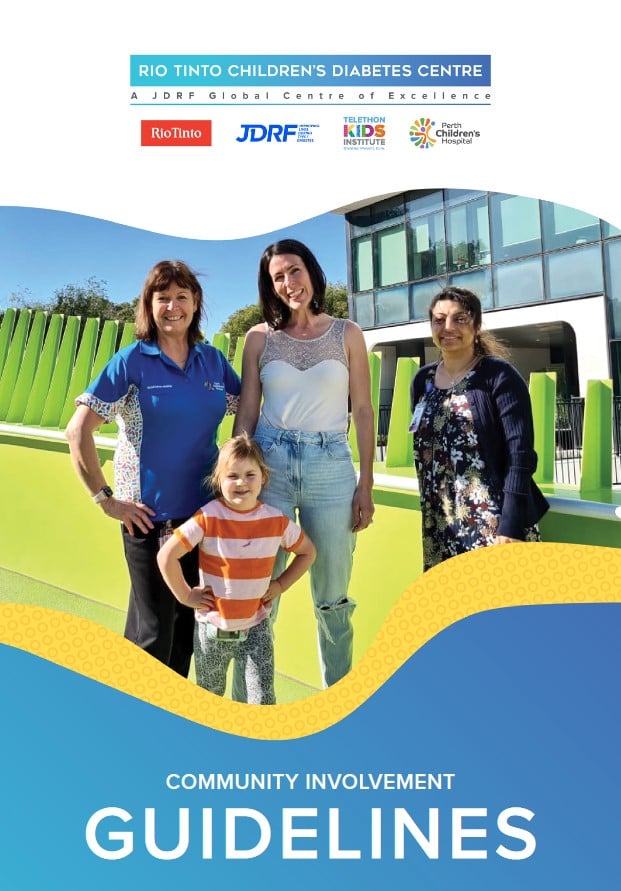
The Rio Tinto Children’s Diabetes Centre is committed to increasing the community voice in diabetes research at all levels to ensure our research is
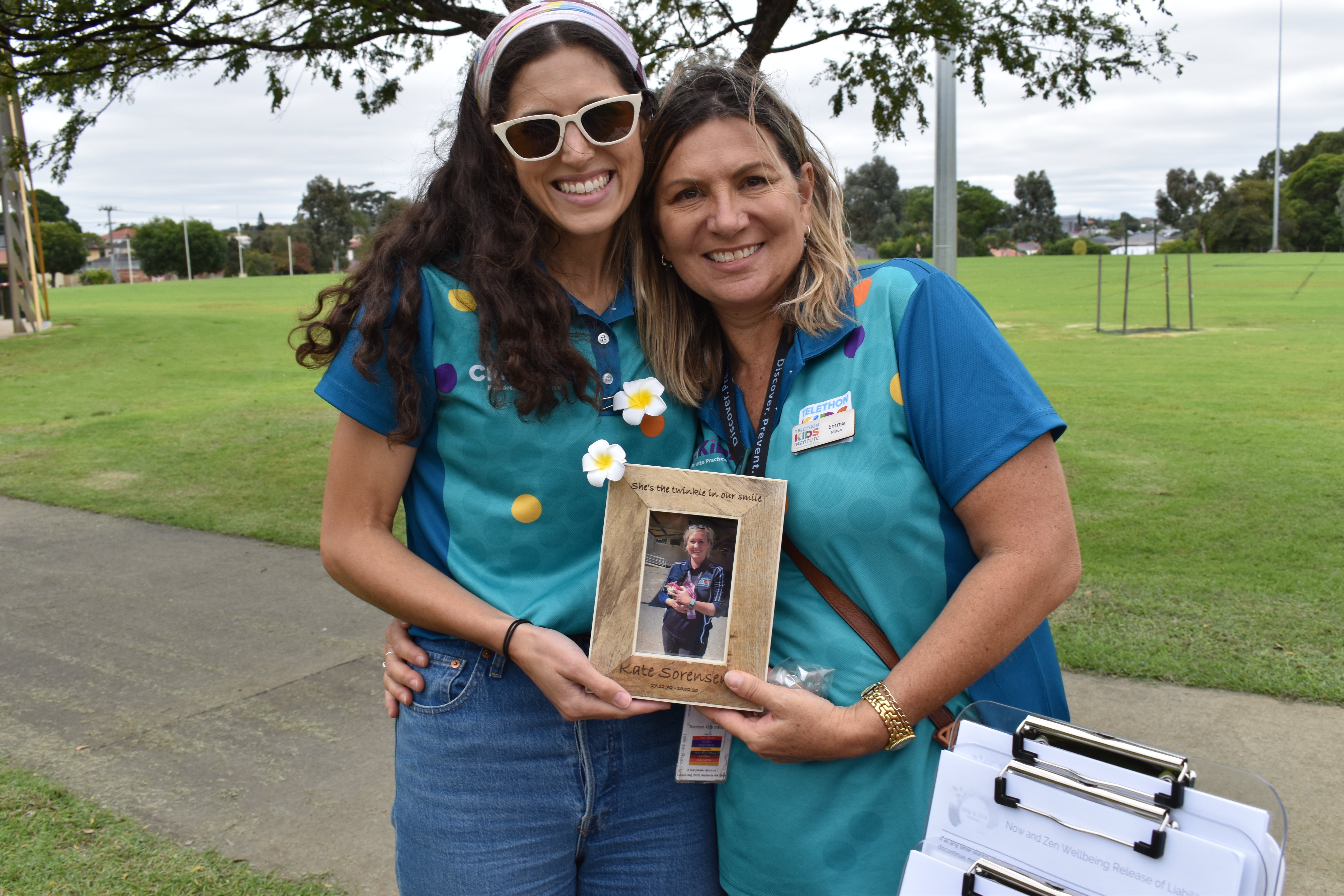
CliniKids held Frangipani Family Day recently – an event organised to honour the wonderful contribution of its much loved and dearly missed colleague, the late Kate Sorensen.
Frangipani Family Day is an opportunity for CliniKids to celebrate the families we engage with through our clinical services and research.
Here you'll find a wealth of information and resources to help support your child.
Hear how one bold idea became a world-leading institute for kids’ health.