
Search
Showing results for "Childhood interstitial lung disease "
Malignant mesothelioma (MM) of the pleura or peritoneum is a universally fatal disease attracting an increasing range of medical interventions and escalating...

Senior Research Officer
Asthma researchers at Perth's The Kids for Child Health Research are developing a world first system for predicting the severity of asthma in children
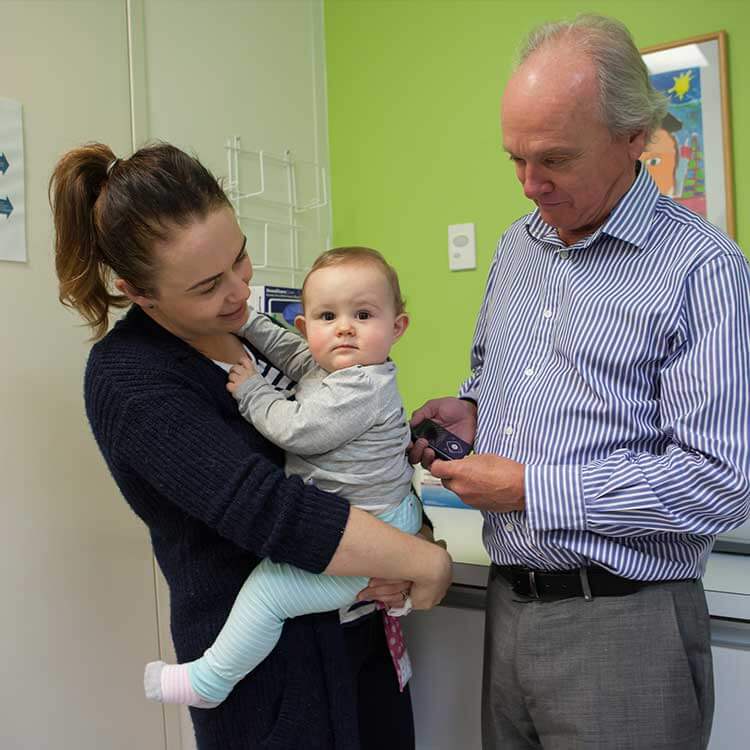
What would you discover to help a child? At The Kids, our researchers are committed to Type 1 Diabetes research that makes a real difference.
Conducting ethical and high-quality health research is crucial for informing public health policy and service delivery to reduce the high and inequitable burden of disease experienced by Aboriginal and Torres Strait Islander people.
Multiple studies have shown an association between intussusception (IS) and receipt of monovalent or pentavalent rotavirus vaccine (RV) in the previous 21 days. Disease severity is an important consideration for risk-benefit evaluations of RV, but no studies have compared the severity of IS within 21 days of vaccination (vaccine-associated, VA) and later (not temporally-associated, VNA).
Burn injuries are common and often life-threatening trauma. With this trauma comes an interruption of normal hemostasis, with distinct impacts on platelets.
Vaccination to prevent infectious disease is one of the most successful public health interventions ever developed. And yet, variability in individual vaccine effectiveness suggests that a better mechanistic understanding of vaccine-induced immune responses could improve vaccine design and efficacy.
The global burden of non-communicable diseases (NCDs) continues to grow. Although developing settings face fastest growth in incidence, no country is exempt.
CMT4D disease is a severe autosomal recessive demyelinating neuropathy with extensive axonal loss leading to early disability, caused by mutations...