
Search
Showing results for "aboriginal respiratory"
A $6 million commitment from Wesfarmers to Telethon will fund vital research to reduce the impact of chronic ear infections and other serious diseases.
To mark International FASD Awareness Day, The Kids will launch a series of health promotion videos that feature local Aboriginal community members.
Melissa Fiona O'Donnell Stanley BPsych (Hons), MPsych, GradDip Ed, PhD FAA FASSA MSc MD FFPHM FAFPHM FRACP FRANZCOG HonDSc HonDUniv HonFRACGP HonMD
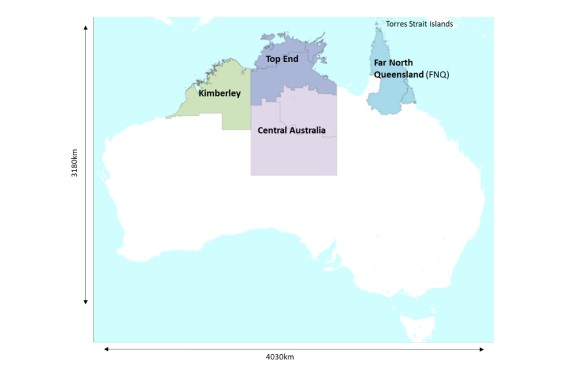
Explore new research on youth-onset diabetes at The Kids' Institute, uncovering insights to improve health outcomes for young patients in Northern Australia.
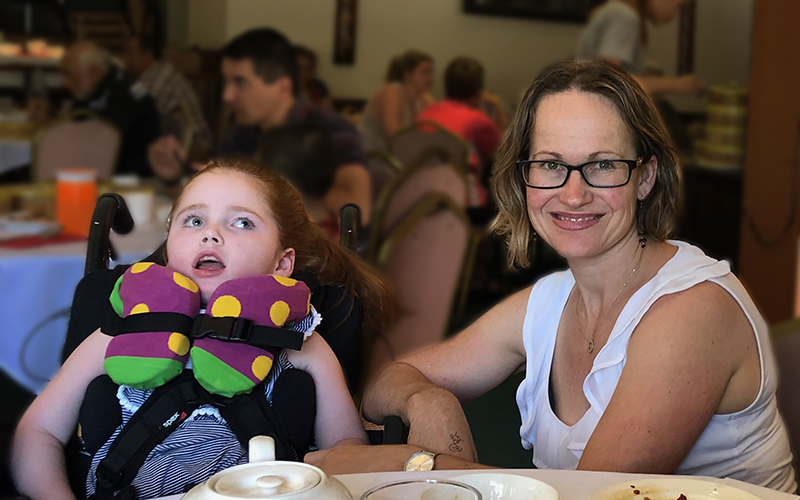
Children with intellectual disability who underwent gastrostomy – a feeding tube placed into the stomach – had better overall health and fewer hospitalisations for all causes except acute respiratory illnesses, research led by The Kids Research Institute Australia has found.
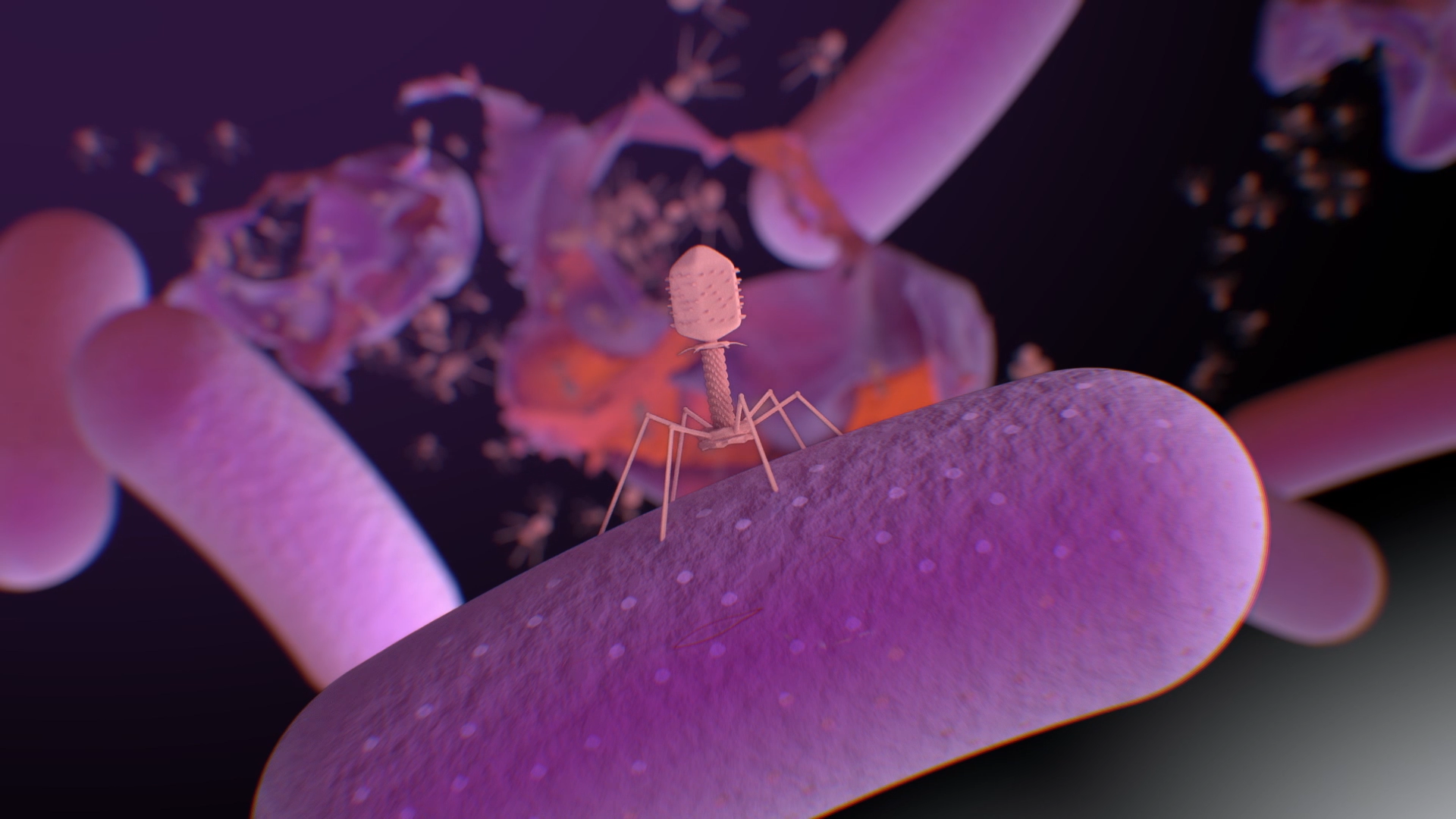
Phage WA have a number of projects underway and these cover a broad range of phage research areas.
Gastrostomy is increasingly used in multiple neurological conditions associated with intellectual disability, with no apparent accessibility barriers
This study provides new knowledge on ARF characteristics and management and highlights international variation in diagnostic and management practice.
Impetigo or skin sores are estimated to affect >162 million people worldwide. Detailed descriptions of the anatomical location of skin sores are lacking.

A The Kids Research Institute Australia research student concerned by the types of injuries he was seeing in emergency departments as a trainee doctor has spearheaded an Australia-first study.