
Search
Showing results for "lung disease preterm"

Coinciding with the Institute’s 35th year of research to improve the health and wellbeing of children and families, the 2025 Impact Report celebrates research which has been translated into policy or practice, and which has led to a paradigm shift in the way we respond to childhood health and wellbeing.
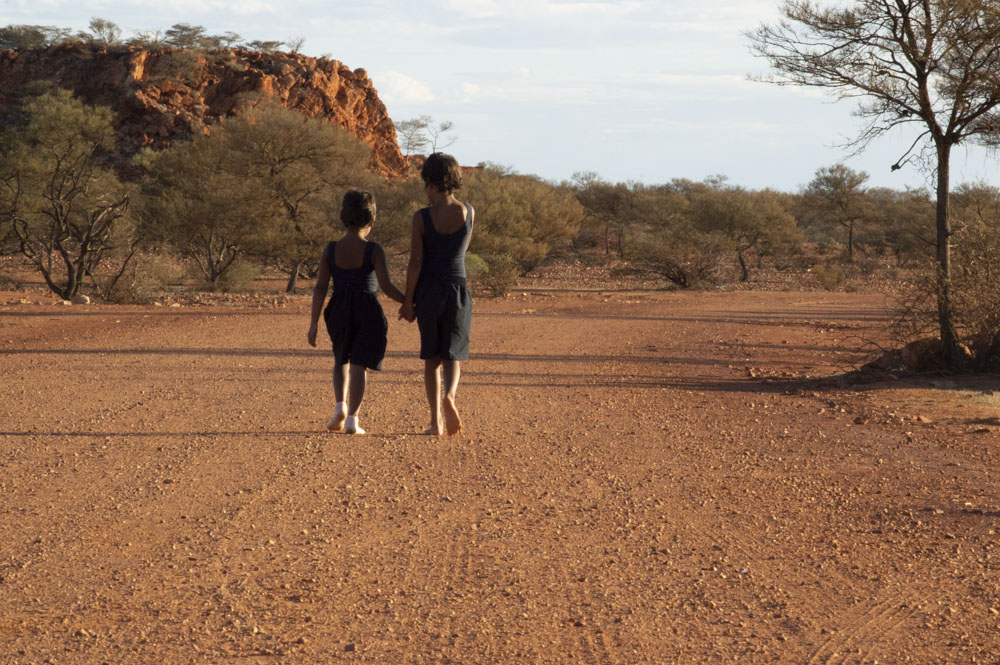
Children at risk of potentially life-threatening Strep A infections no longer have to wait five days for timely treatment, thanks to a The Kids Research Institute Australia study conducted in the remote Kimberley region of Western Australia.

When Jodie and Brad Scott welcomed their fourth child Heath into the world, they were prepared for the many sleepless nights that come with caring for newborns.
Researchers are an important step closer to finding a vaccine that protects against a wide range of strains of meningococcal B - the most common cause of mening
Research from Telethon Institute for Child Health Research has shown that children born in modern industrialised environments have more responsive immune
Perth's Telethon Institute for Child Health Research has been awarded more than 3 million dollars from the National Health and Medical Research Council (NHMRC)
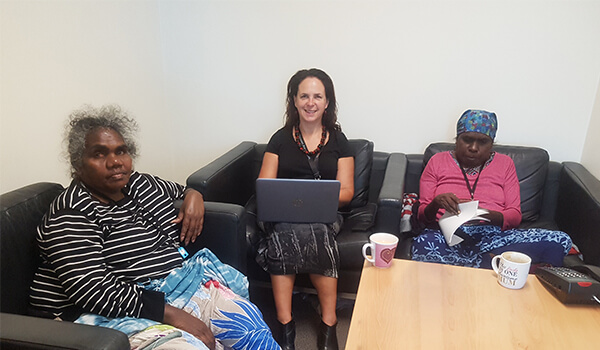
For Aboriginal Community Researchers Minitja Marawili and Yunutju Gondarra, the work of the END RHD CRE is deeply personal.
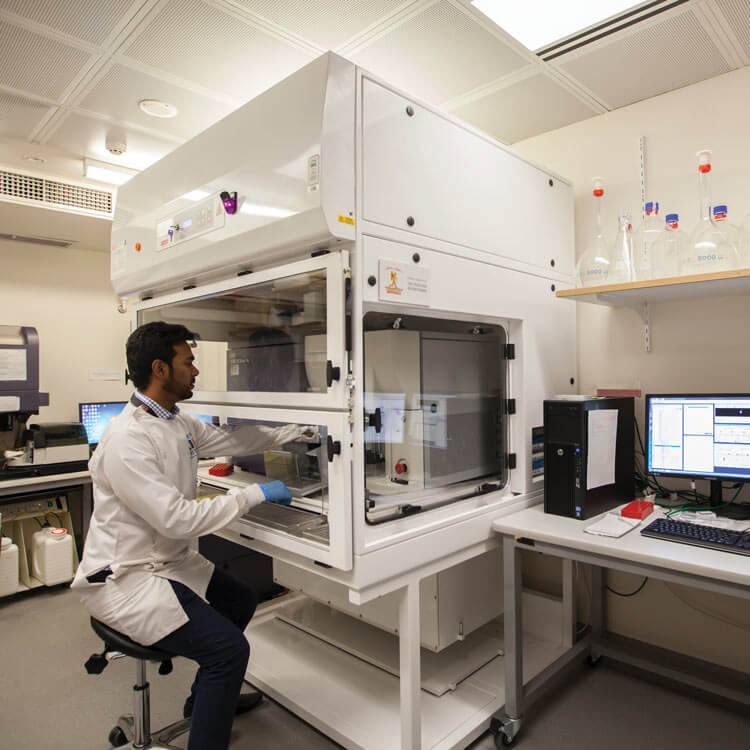
Little or large, every donation made to The Kids Research Institute Australia is precious.
CDKL5 deficiency disorder (CDD) results in early-onset seizures and severe developmental impairments. A CDD clinical severity assessment (CCSA) was previously developed with clinician and parent-report items to capture information on a range of domains.
CDKL5 Deficiency Disorder (CDD) is a rare genetic disorder caused by a mutation in the cyclin-dependent kinase-like 5 (CDKL5) gene. It is now considered to be a developmental and epileptic encephalopathy because of the early onset of seizures in association with severe global delay. Other features include cortical visual impairment, sleep and gastro-intestinal problems. Progress in clinical understanding, especially regarding the spectrum of functional ability, seizure patterns, and other comorbidities was initially slow but accelerated in 2012 with the establishment of the International CDKL5 Database (ICDD). Our aim was to use this data source to investigate quality of life (QOL) and associated factors in this disorder.