
Search
Showing results for "Childhood interstitial lung disease "
The marked heterogeneity in cystic fibrosis (CF) disease complicates the selection of those most likely to benefit from existing or emergent treatments. We aimed to predict the progression of bronchiectasis in preschool children with CF.
In addition to being a source of nutrients for the developing newborn, human milk contains thousands of bioactive compounds, which influence infant health in the short-term as exemplified by its major benefits on infectious disease prevention. Many of the human milk compounds also have the required characteristics to instruct immune development and guide long-term health.
The benefits of physical activity in reducing the risk of non-communicable diseases are well documented. Physical inactivity contributes to 6–10% of the burden of coronary heart disease, type 2 diabetes, and breast and colon cancers.
Coronavirus disease 2019 (COVID-19) is an acute respiratory illness caused by severe acute respiratory syndrome coronavirus 2 (SARS-CoV-2). SARS-CoV-2 initially was identified from a cluster of patients admitted with ‘pneumonia of unknown etiology’ in late December 2019 to hospitals in Wuhan, Hubei Province, China.
The health of Aboriginal and Torres Strait Islander people in Australia is crucial to address due to the burden of disease and injury in aboriginal population.
This audit is used as a case study of translating knowledge processes in order to identify the factors that support equity-oriented knowledge translation.
This study aims to investigate the cellular and molecular profiles of the immune system in infants at high/low risk for Autism, as determined through clinical assessment.

Senior Research Fellow in the Strep A Translation team

Program Assistant
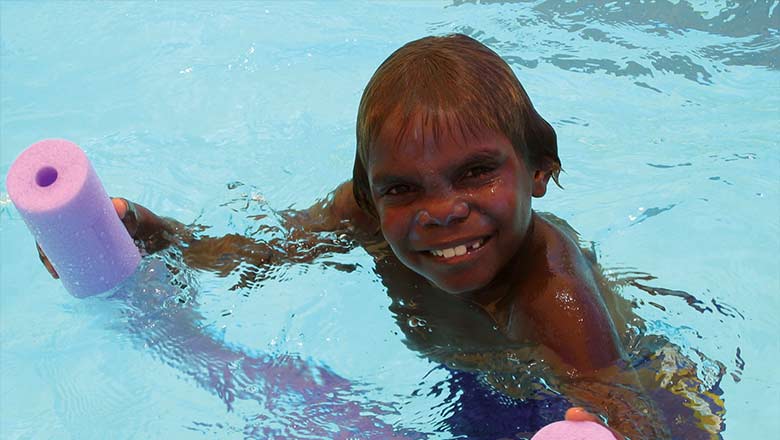
A comprehensive study into the impact of swimming pools in remote Aboriginal communities has found significant health and social benefits for children.