
Search
Showing results for "autism"
Reading Disability is often characterized by difficulties in the phonology of the language. While the molecular mechanisms underlying it are largely undetermined, loci are being revealed by genome-wide association studies.
The breadth of available non-pharmacological interventions for autistic children, with varying evidence for efficacy summarised in multiple systematic reviews, creates challenges for parents, practitioners, and policymakers in navigating the research evidence. In this article, we report the findings of an umbrella review of 58 systematic reviews of non-pharmacological interventions for autistic children (aged 0–12 years).
The current investigation measured AT in 360 males and 400 males from the general population close to two decades apart, using the Pervasive Developmental...
Andrew Videos Whitehouse Watch and listen to Andrew PhD Deputy Director (Research); Angela Wright Bennett Professor of Autism Research at The Kids
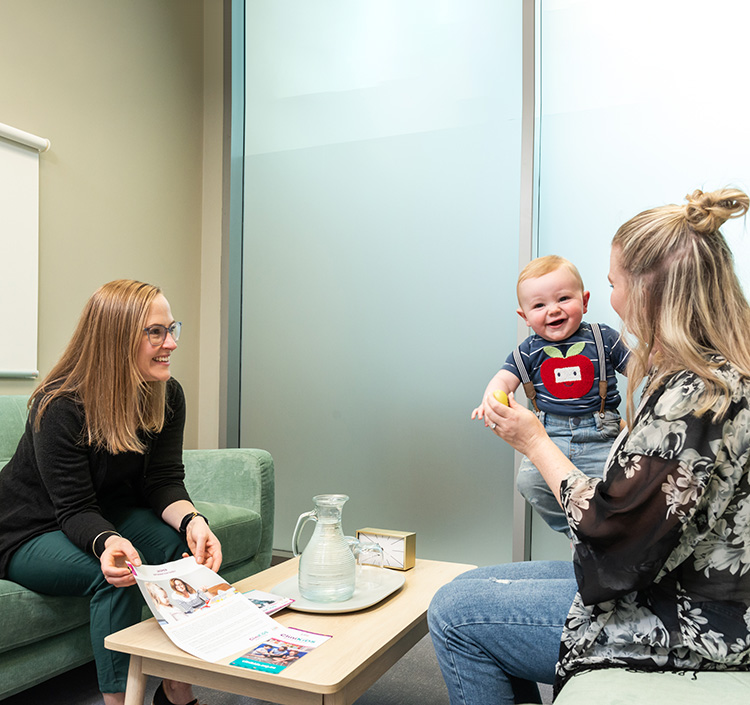
Here you'll find a wealth of information and resources to help support your child.
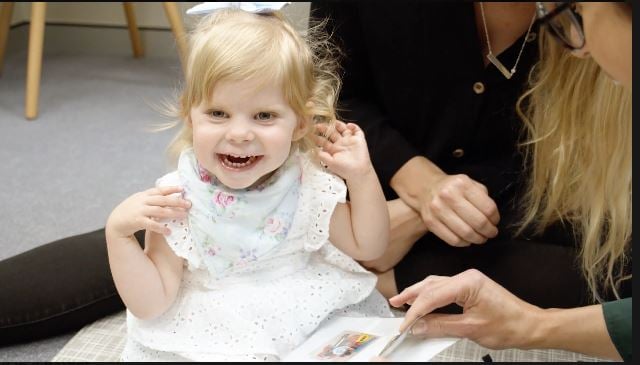
Communicating with and Understanding your Baby
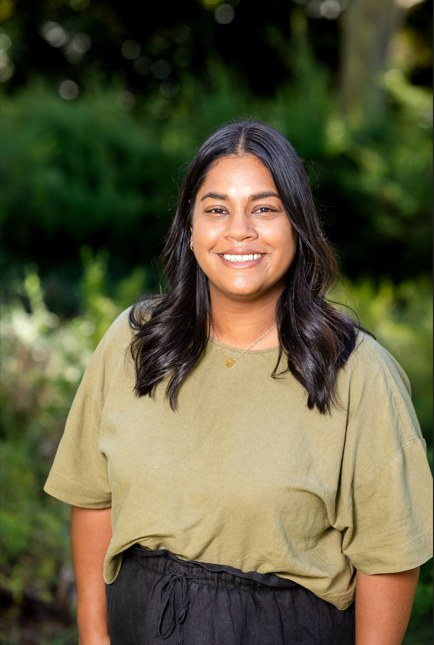
Gail Alvares is the Principal Research Fellow at CliniKids
Sarah Pillar is a PhD Candidate at CliniKids
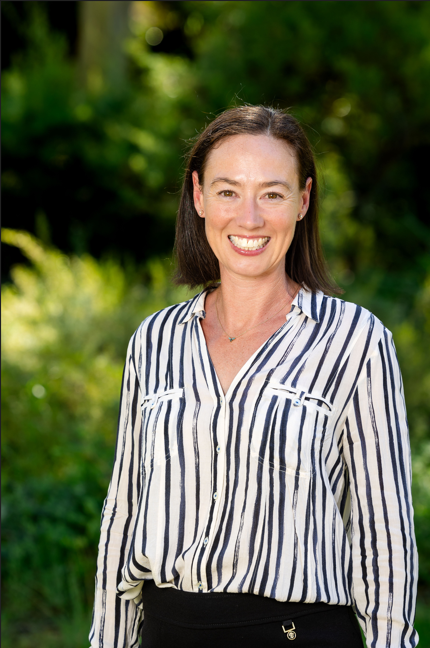
Jess Reynolds is the Program Manager at CliniKids
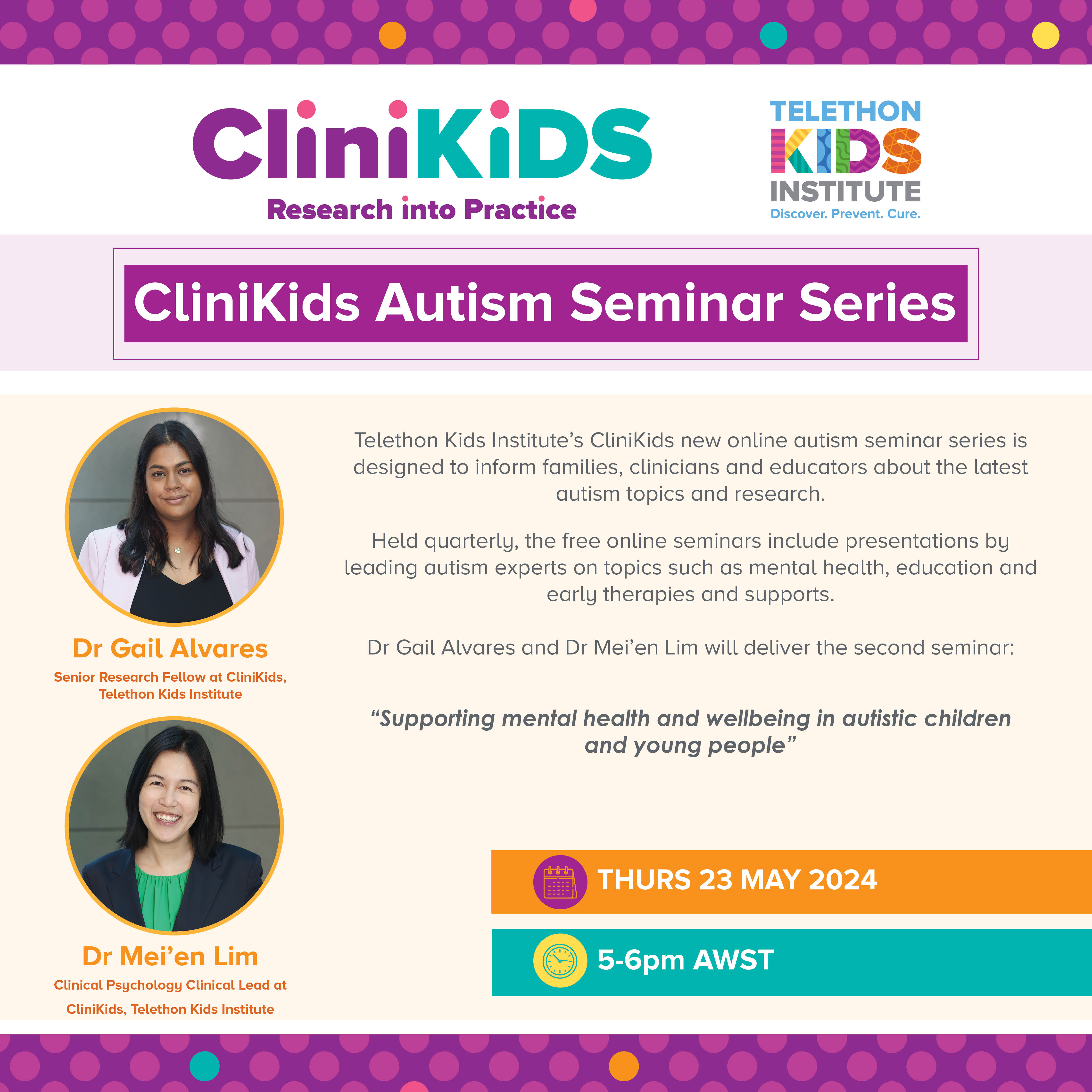
Here you will find follow up information from our autism seminar on mental health and autism.