
Search
Showing results for "lung disease preterm"
Evidence supports that higher sun exposure and/or vitamin D sufficiency in pregnancy, or supplementation in early life, decreases type 1 diabetes risk
The prevalence of human rhinovirus (RV) species in children hospitalised with pneumonia in Manhiça, Mozambique
RV-A and RV-C are endemic in South African children and HIV infection may be protective against RSV and bronchiolitis.
Bronchiolitis hospitalisations are a reasonable proxy for the timing of RSV detections, but may not fully capture the magnitude of RSV epidemics
The active form of vitamin D has an important role in calcium metabolism and in bone mineralisation, but the evidence for other health outcomes is mixed,...
Evaluation of fluorescently labeled leukocyte migration in mice revealed that DCs travel via the RMS from the CNS to the cervical LNs (CxLNs), where they...
The transmission dynamics of RSV infection among young children are still poorly understood and mathematical modelling can be used to better understand...
In this chapter, evidence for and evidence against the involvement of vitamin D in the immunoregulatory properties of UV radiation is presented.
Investigating changes in retinopathy, aortic intima media thickness & heart rate variability, indicators of macrovascular disease & autonomic neuropathy
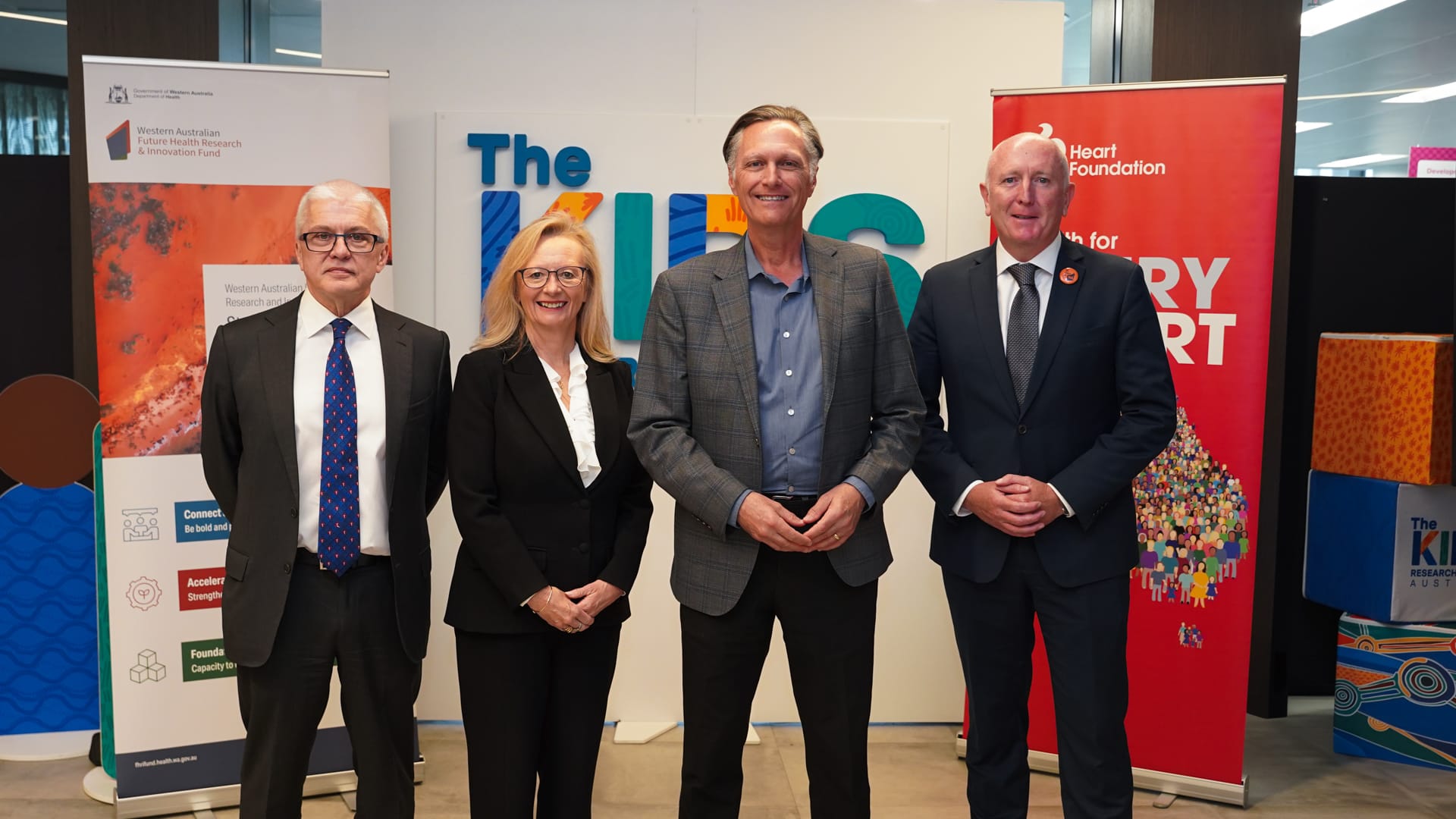
The Kids Research Institute Australia today welcomed an announcement that the second World Congress on RHD will be hosted in Perth in 2026 by the National Heart Foundation.