
Search
Showing results for "Childhood interstitial lung disease "
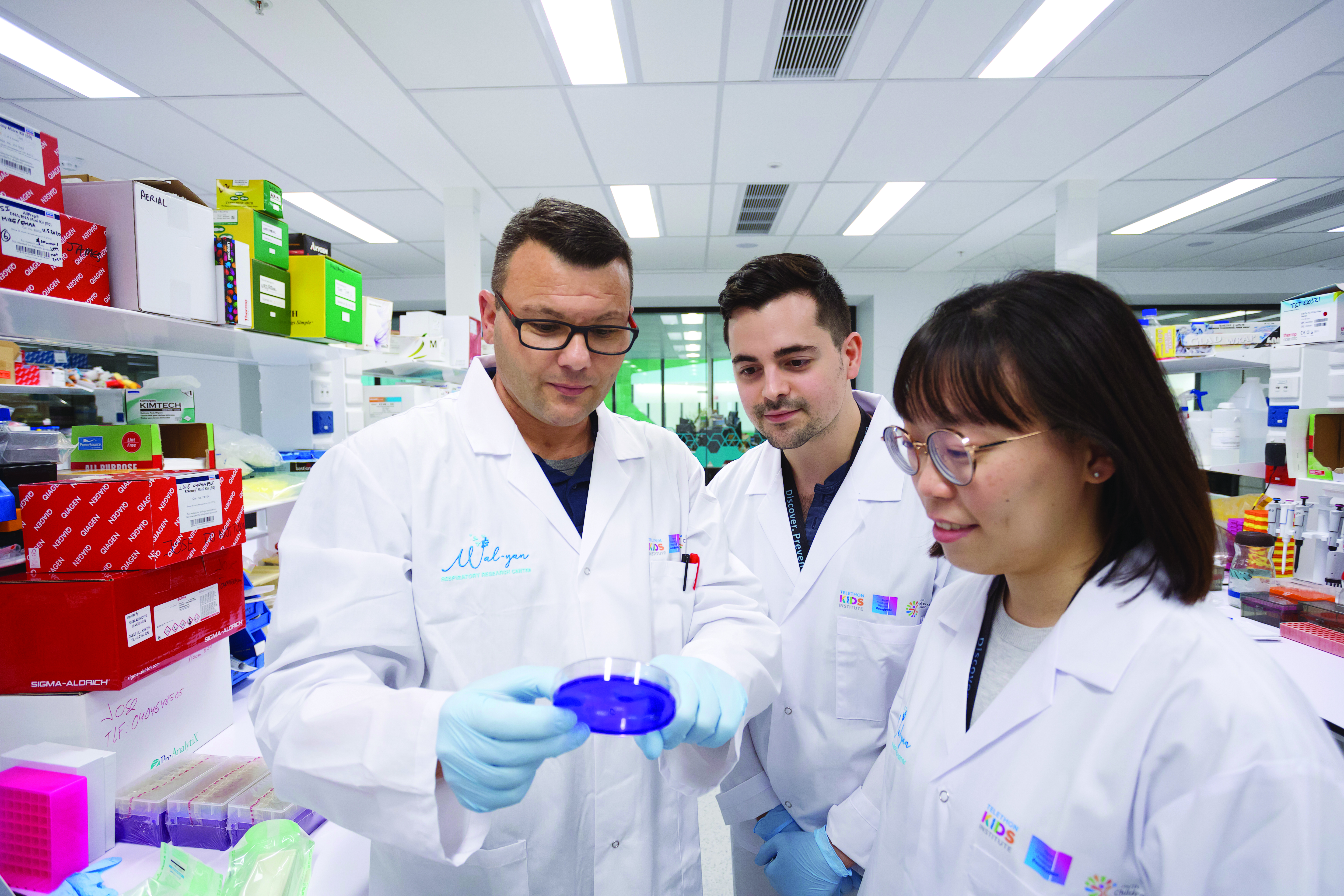
Cutting-edge work is offering new hope to children with Cystic Fibrosis.
Mesothelioma is a rare and universally fatal cancer linked to exposure to asbestos. Until recently, standard of care treatment was chemotherapy; a treatment resulting in a minimal survival extension, and not improved upon for almost twenty years. However, the advent of cancer immunotherapy – and in particular the immune checkpoint inhibitor class of drugs - has resulted in recently approved new treatment options, with more currently under investigation.
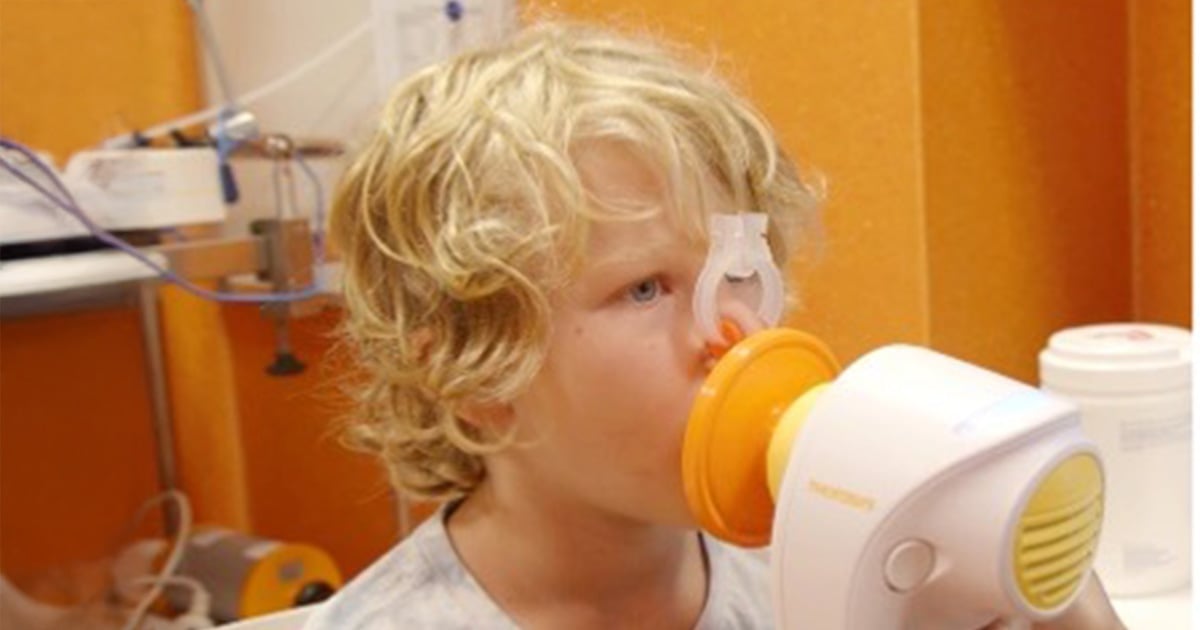
New hope is on the horizon for people living with cystic fibrosis.
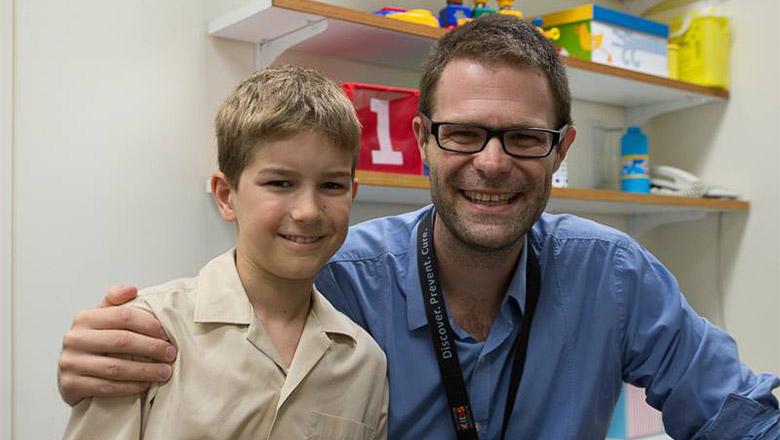
Ten year old Scott has been walking for Telethon since he was four years old and he's now raised a massive $100 thousand for Telethon.

The Imogen Miranda Suleski Fellowship is an annual award for early-career post-doctoral researchers at The Kids Research Institute Australia.

Illuminate Awards are a philanthropic initiative - shining a light on child health research to help all kids lead happy, healthy lives.
The Koolungar (children) Moorditj (strong) Healthy Skin project is the first ever co-designed research-service Australian study to describe skin health in urban-living Aboriginal koolungar.
The Australian Technical Advisory Group on Immunisation and New Zealand Ministry of Health recommend all children aged ≥ 5 years receive either of the two mRNA COVID-19 vaccines: Comirnaty (Pfizer), available in both Australia and New Zealand, or Spikevax (Moderna), available in Australia only. Both vaccines are efficacious and safe in the general population, including children. Children and adolescents undergoing treatment for cancer and immunosuppressive therapy for non-malignant haematological conditions are particularly vulnerable, with an increased risk of severe or fatal COVID-19.
Treatment of chronic suppurative otitis media with topical antibiotics probably results in an increase in resolution of ear discharge compared with boric acid
We are uncertain about the effectiveness of topical antibiotics in improving resolution of ear discharge in patients with chronic suppurative otitis media