
Search
Showing results for "mental health aboriginal"
We developed the iOS smartphone app Sun Safe to support healthy sun practices in young teenagers (aged 12-13 years). The production involved co-design with young co-researchers (ie, aged 12-13 years) with a health message of using sun protection when the UV index is ≥3. Important features include real-time and location-specific weather data on the UV index and gamified educational content.
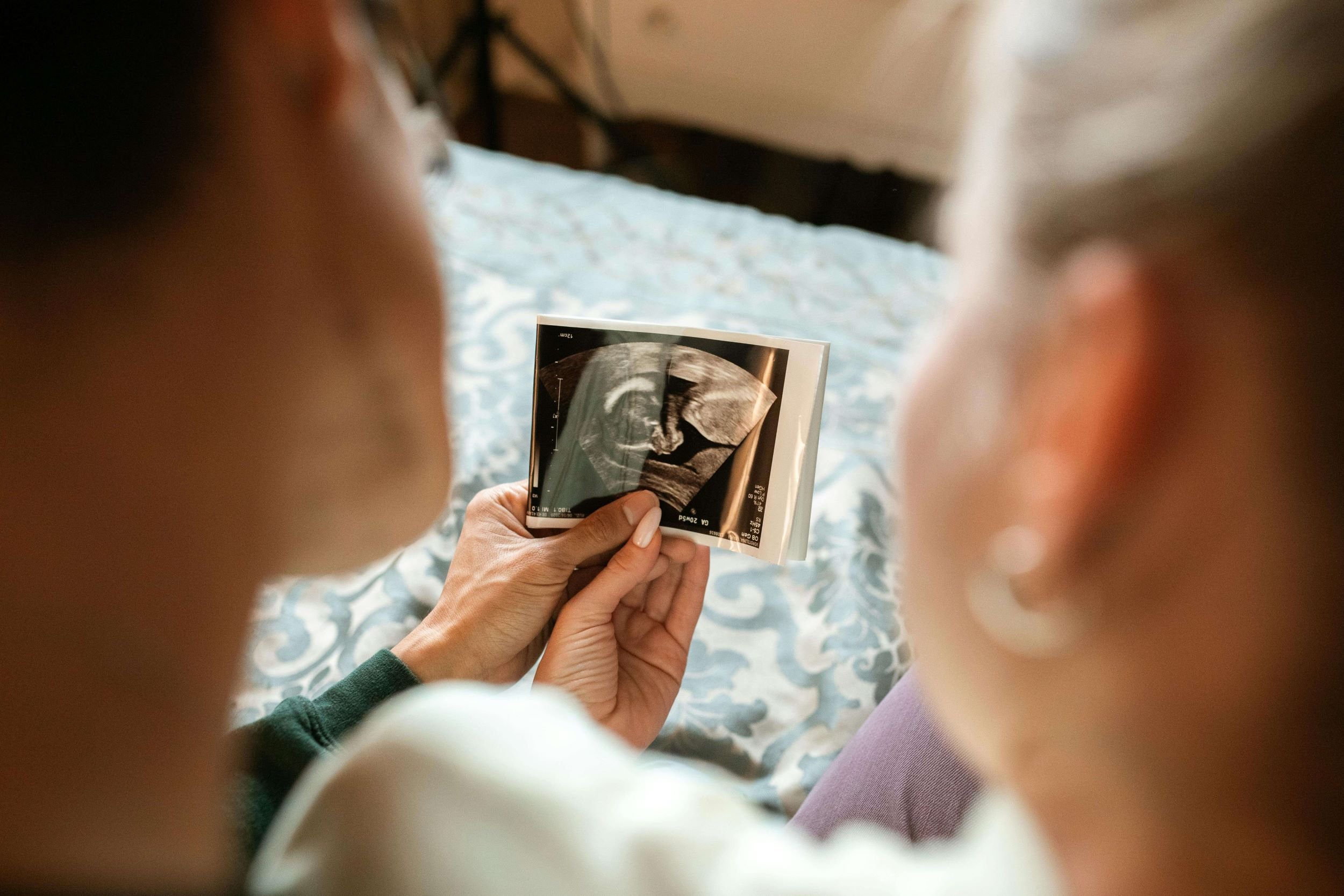
This research aims to examine subfertility in a population pregnancy cohort, analysing the underlying differences between sub fertile couples who conceive naturally, sub fertile couples who conceive using ART or non-IVF, and fertile couples.
Otitis media (OM) starts within weeks of birth in almost all Indigenous infants living in remote areas of the Northern Territory (NT).
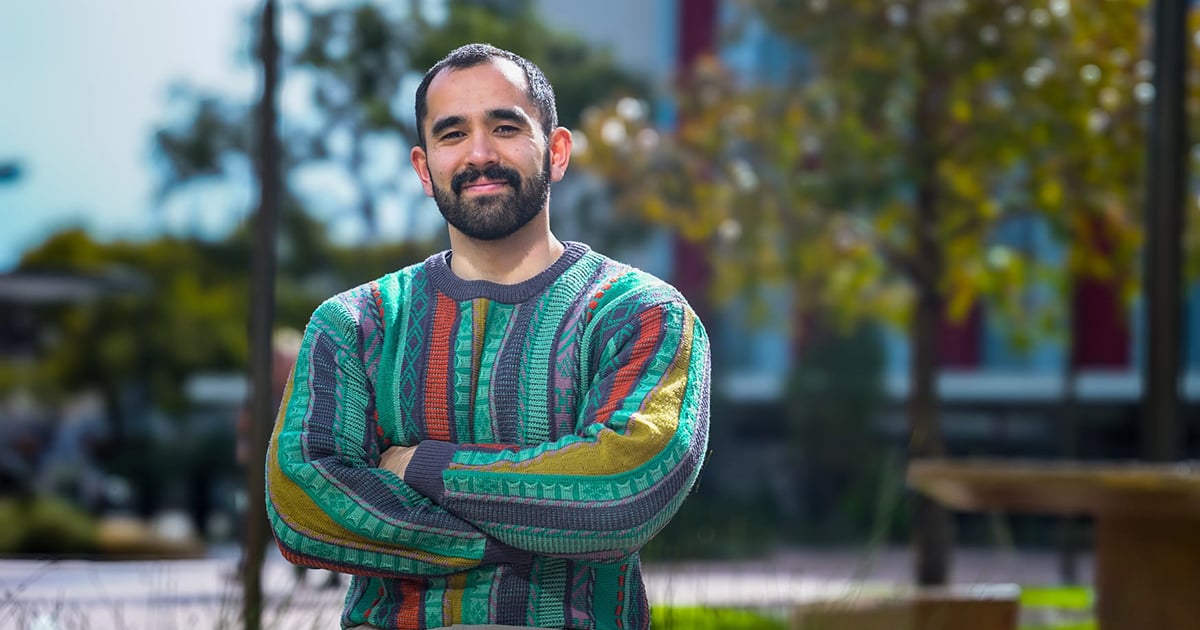
Dr Vincent Mancini, a Senior Research Fellow at The Kids Research Institute Australia, has been awarded a prestigious three-year Fellowship to develop and implement an intervention to support the welfare of regional WA fathers and families in the neonatal intensive care unit (NICU).
Pediatric gender clinics and researchers commonly use scales to measure different dimensions of gender (e.g. identity, dysphoria, satisfaction). There has been little investigation into the relevance and consumer acceptability of these scales within contemporary understandings and experiences of gender.
One in four ED presentations in WA children are for ARIs, representing a significant out-of-hospital burden with some evidence of geographical disparity
In December 2016, a panel of experts was convened by the International Scientific Association for Probiotics an Prebiotics to review the scope of prebiotic.
This article discusses the relationships between gut colonization & inflammatory noncommunicable diseases, in regards to their treatment and prevention.

Project D-Light aims to understand and harness the benefits of vitamin D and sunlight for Australian children while protecting them from excess UV.
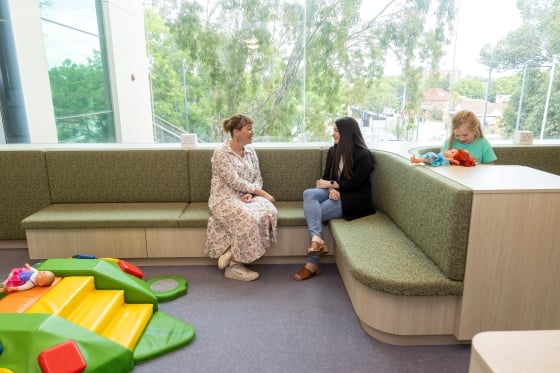
In this blog, Occupational Therapy Clinical Lead Marie Rodatz discusses the elements needed to create a neuro-affirming environment that supports neurodiverse individuals.