
Search
Showing results for "clinical trials"

ORIGINS sub-projects investigating the impact of the physical environment and lifestyle on health, development and chronic conditions.
Dual RNA-sequencing (dual RNA-seq) holds significant promise for deciphering bacterial virulence mechanisms during systemic infections. However, its application in sepsis research is hindered by technical challenges, including a low bacterial burden in blood and limited sample volumes and RNA yield from vulnerable populations, such as neonates.
Humidified high flow (HHF) oxygen is increasingly used to treat acute respiratory illnesses in children; however, use during aeromedical transfer is not well described. This was a retrospective cohort study. Children who were transferred from rural locations and were initiated on HHF prior to transfer between 1 January 2015 and 31 December 2018 were identified from the Royal Flying Doctors Service database. Clinical variables prior to transfer, during flight and after transfer were collected from medical records and flight records.
Understanding the distribution and variation in NMR-based inflammatory markers is crucial to the evaluation of their clinical utility in disease prognosis and diagnosis. We applied high-resolution 1H NMR spectroscopy of blood plasma and serum to measure the acute phase reactive glycoprotein signals and the subregions of the lipoprotein-based Supramolecular Phospholipid Composite signals in a large multicohort population study.
Senior Project Coordinator
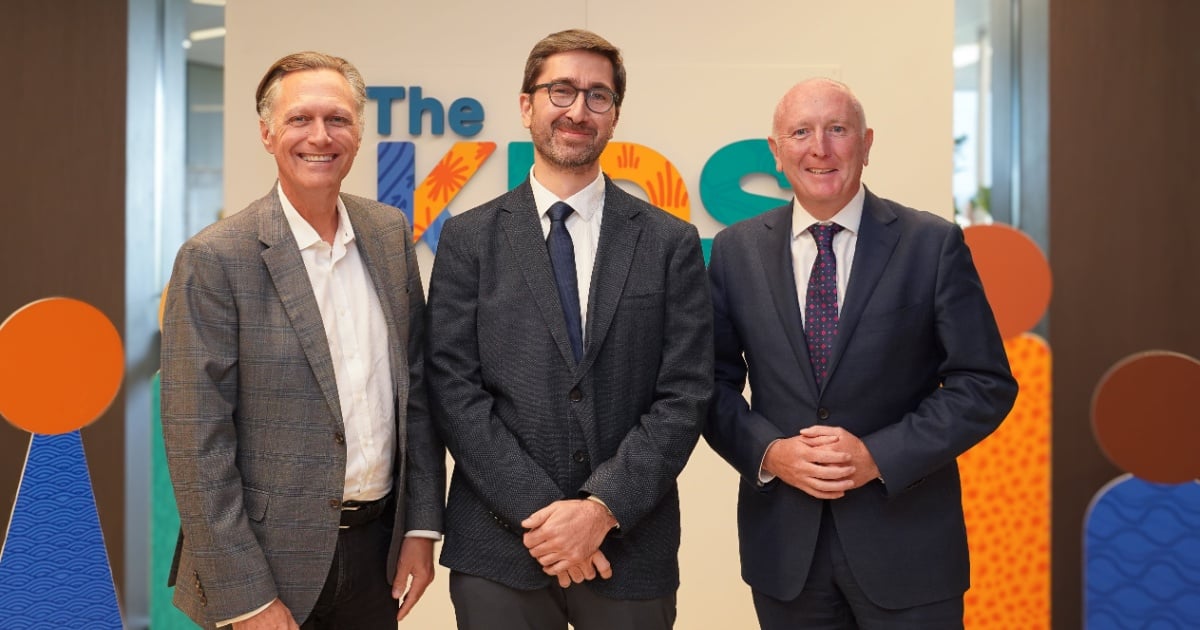
A leading autism scientist has relocated to Perth to take up a new appointment at The Kids Research Institute Australia, thanks to a program designed to attract world-class health researchers to Western Australia.

Data linkage is a technique for connecting pieces of information that are thought to relate to the same person, family, place or event.
Jack Brett is a Research Fellow at CliniKids
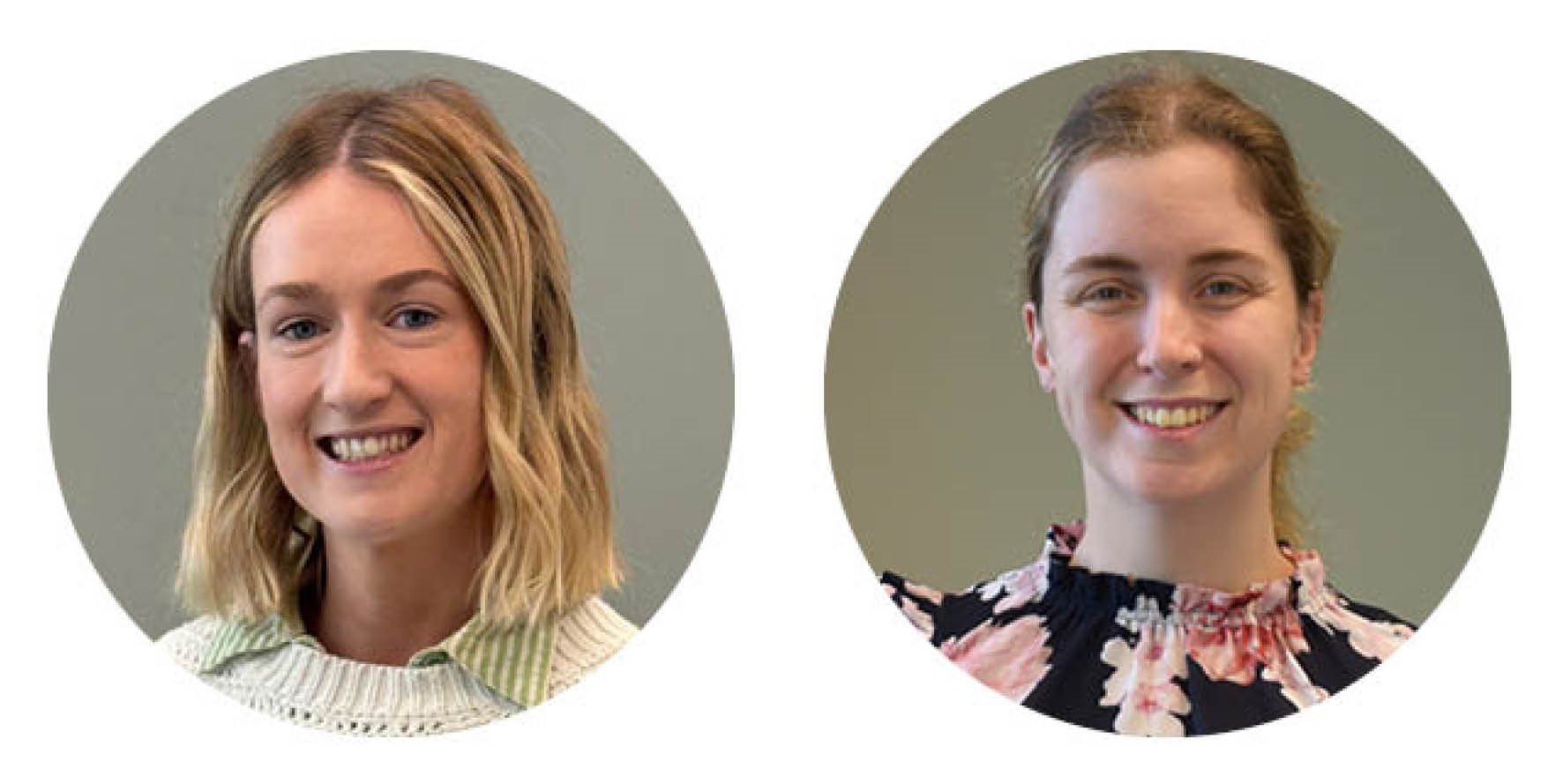
There’s a couple of new faces at our Joondalup clinic! Mikali is a Speech Pathologist and Katie is an Occupational Therapist. Both are taking on new clients.
Much of our research focuses on the safety and the use of emerging technologies for insulin pumps and other diabetes treatment technology.