
Search
Showing results for "mental health aboriginal"
The purpose of this study was to determine the extent of missing paternal data in birth registrations and the characteristics of families most likely to have...
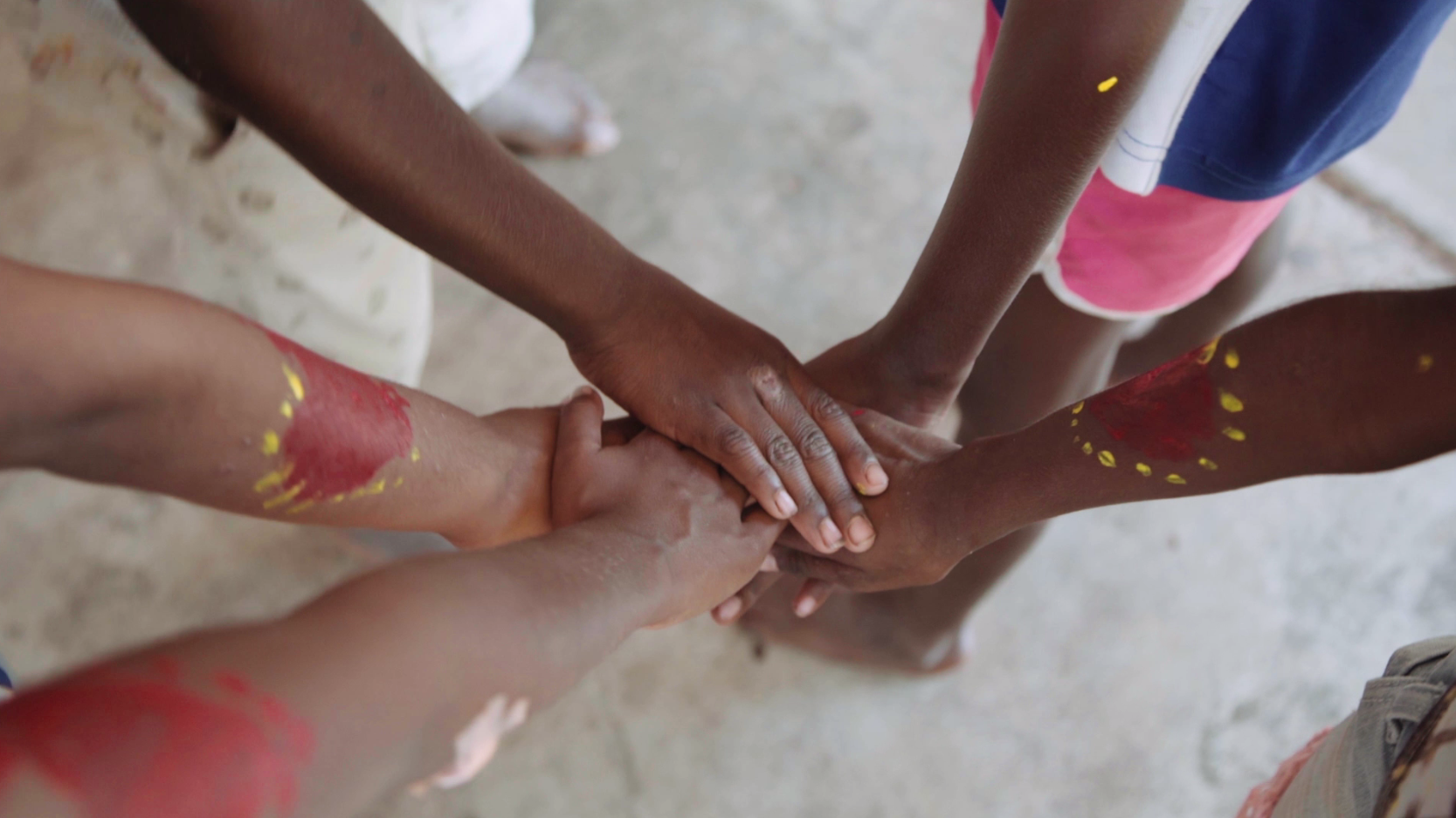
Young Aboriginal and Torres Strait Islander people receiving long-term, painful injections to prevent deadly complications from rheumatic heart disease (RHD) will design their own optimum treatment program thanks to latest research at The Kids Research Institute Australia.
The State Government has launched a new strategy for improving immunisation rates among WA children, to prevent outbreaks of diseases like measles & meningitis
It's Time - new video on the Apology to the Stolen Generations
The Centre is committed to supporting high quality research by providing support for researchers to undertake activities of high priority to the WCVID.

We are excited to announce the winners of our inaugural Illuminate Awards
Pediatric gender clinics and researchers commonly use scales to measure different dimensions of gender (e.g. identity, dysphoria, satisfaction). There has been little investigation into the relevance and consumer acceptability of these scales within contemporary understandings and experiences of gender.
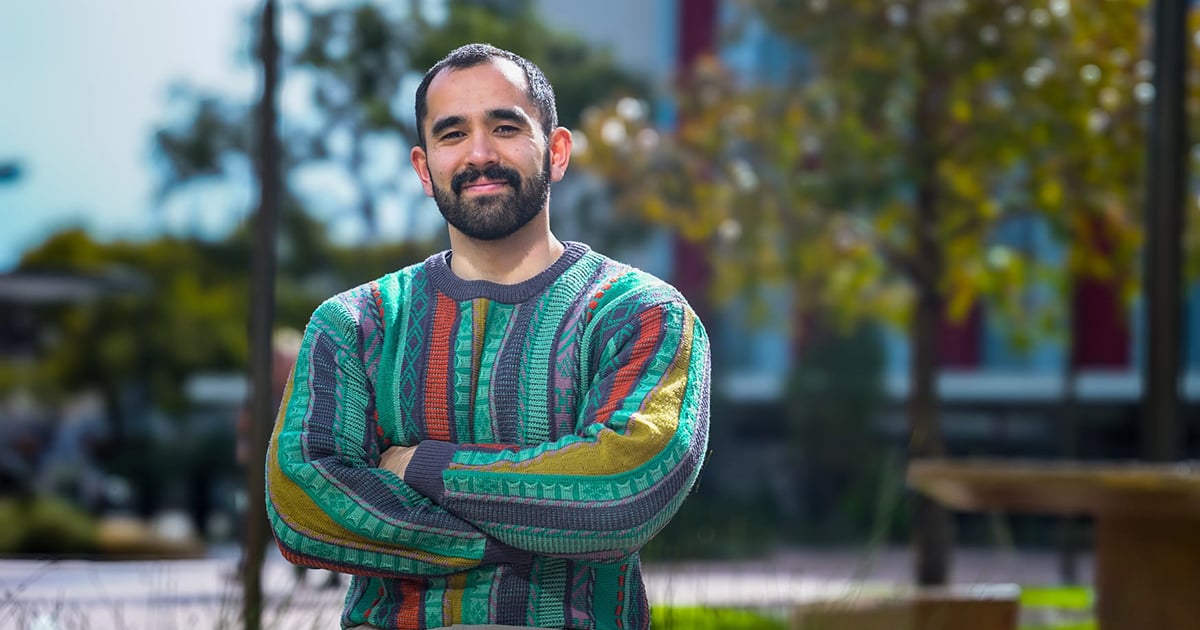
Dr Vincent Mancini, a Senior Research Fellow at The Kids Research Institute Australia, has been awarded a prestigious three-year Fellowship to develop and implement an intervention to support the welfare of regional WA fathers and families in the neonatal intensive care unit (NICU).
Australia has nothing to lose by voting Yes, but First Nations people have everything to gain. And if the lives of First Nations people improve, we all win.
We developed the iOS smartphone app Sun Safe to support healthy sun practices in young teenagers (aged 12-13 years). The production involved co-design with young co-researchers (ie, aged 12-13 years) with a health message of using sun protection when the UV index is ≥3. Important features include real-time and location-specific weather data on the UV index and gamified educational content.