
Search
Showing results for "clinical trials"

The Western Australian Epithelial Research Program (WAERP) is a community cohort biobank that collects and stores airway cells from the upper (nose) and lower (trachea) airways of Western Australian children and adults (1-50 years of age) undergoing non respiratory elective surgery.
The majority of staff and machine learning models were not more accurate than suggested by chance
We examined the hypothesis that elevation in urinary (ACR) in adolescents with type 1 diabetes is associated with RVG phenotypes.
The purpose of this article is to highlight emerging evidence for existing allergy prevention guidelines regarding potential benefits of supporting early...
This study compared socio-demographic, clinical and genetic characteristics of the international database, InterRett, and the population-based Australian...

Following last year's World Rett Syndrome Congress held in New Orleans, the 3rd European Rett Syndrome Conference was held in the Netherlands over 3 days.
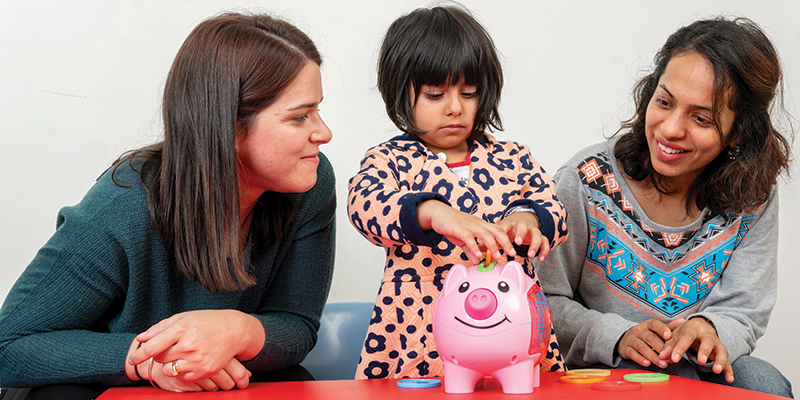
A unique new model developed by the The Kids autism research team marries cutting-edge research with clinical practice to offer families innovative, evidence-based interventions designed to help kids reach their full potential.
Body position and movement during sleep is assessed for both clinical and research purposes. A diverse array of both assessment tools and classification systems are used to capture and code sleep biomechanics data.
Tick bites and tick-related diseases are on the rise. Diagnostic tests that identify well-characterised tick-borne pathogens (TBPs) possess limited capacity to address the causation of symptoms associated with poorly characterised tick-related illnesses, such as debilitating symptom complexes attributed to ticks (DSCATT) in Australia. Identification of local signals in tick-bitten skin that can be detected systemically in blood would have both clinical (diagnostic or prognostic) and research (mechanistic insight) utility, as a blood sample is more readily obtainable than tissue biopsies.
Clinical utility of home polysomnography in children with neuromuscular disorders is limited by lack of evidence that sleep-disordered breathing can be reliably identified and inability to diagnose hypoventilation because carbon dioxide is not measured.