
Search
Showing results for "early lung health"
To identify and review key research advances from the literature published between 2019 and 2023 on the diagnosis and microbiology of otitis media (OM) including acute otitis media (AOM), recurrent AOM (rAOM), otitis media with effusion (OME), chronic suppurative otitis media (CSOM) and AOM complications (mastoiditis).
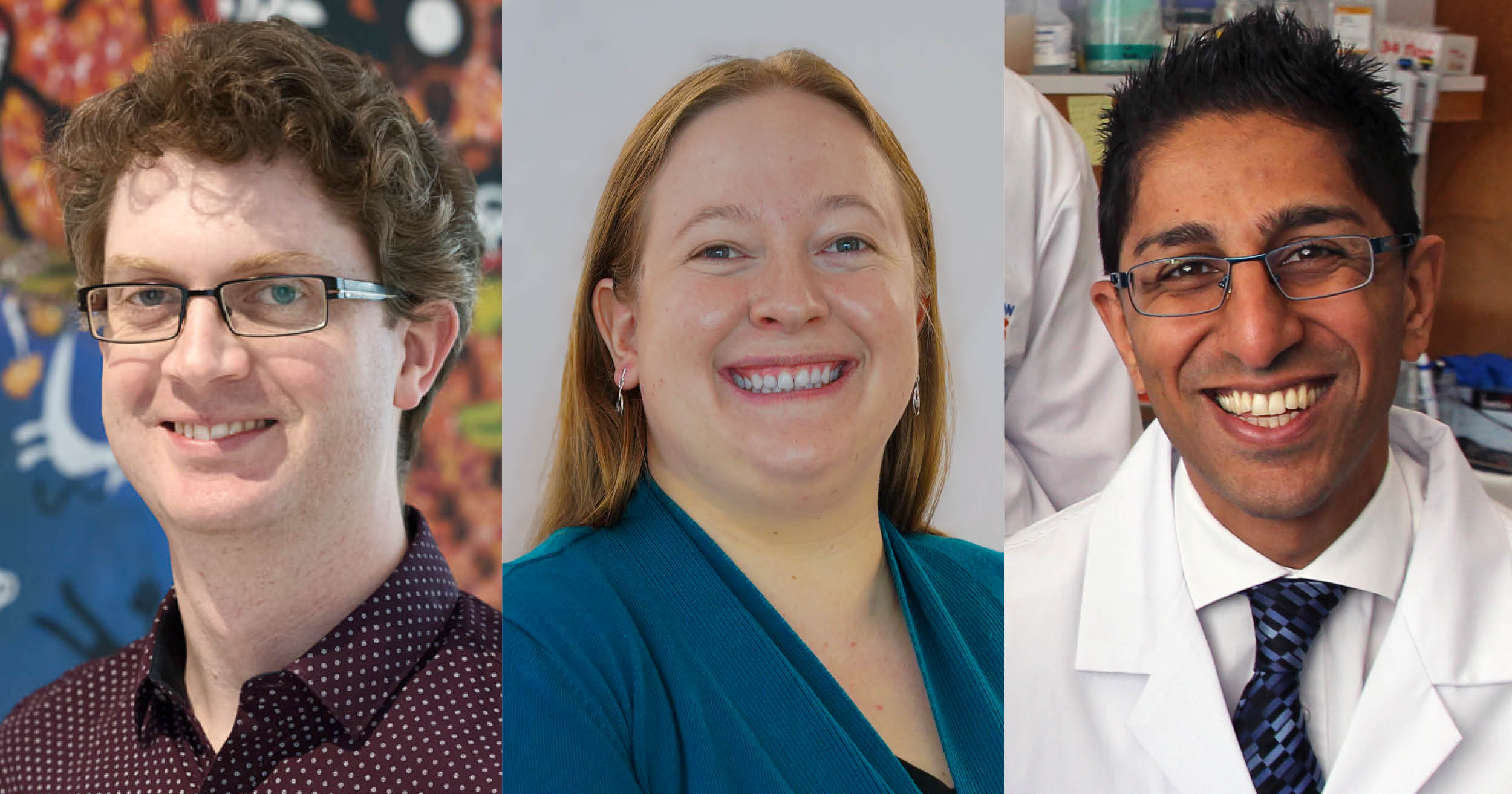
Congratulations to three outstanding The Kids Research Institute Australia researchers who have received second chance WA health funding designed to support researchers who have narrowly missed out on highly competitive national funding.

Use of a Primary Epithelial Cell Screening Tool to Investigate Phage Therapy in Cystic Fibrosis Antimicrobial-resistant microbes are an increasing
A prior episode of deliberate self-harm (DSH) is one of the strongest predictors of future completed suicide. Identifying antecedents of DSH may inform strategi
The clinically significant actions of oral azithromycin in modifying progressive cystic fibrosis (CF) lung disease have been well documented.
The effect of 100% oxygen on tidal breathing parameters in preschool children Does 100% oxygen change the way children breathe? The multiple breath
Lung transcriptomics studies in asthma have provided valuable information in the whole lung context, however, deciphering the individual contributions of the airway and parenchyma in disease pathogenesis may expedite the development of novel targeted treatment strategies. In this study, we performed transcriptomics on the airway and parenchyma using a house dust mite (HDM)-induced model of experimental asthma that replicates key features of the human disease.
In Australia, accurate case ascertainment of acute rheumatic fever (ARF) and rheumatic heart disease (RHD) diagnoses for disease surveillance and control purposes requires the use of multiple data sources, including RHD registers and hospitalisation records. Despite drawing on multiple data sources, the true burden of ARF/RHD is likely to be underestimated.
Aboriginal and Torres Strait Islander ways of knowing, being and doing have fostered physical, social, and emotional wellbeing for millenia, forming a foundation of strength and resilience. However, colonisation, systemic violence and discrimination—including the forced removal of Aboriginal and Torres Strait Islander children, which continues today—have disrupted this foundation, leading to compounding cycles of intergenerational and complex trauma.
We investigated whether the risk of adverse infant outcomes after assisted deliveries was different for mothers admitted as public or private patients for...