
Search
Showing results for "Childhood interstitial lung disease "
Characterised by varying degrees of difficulties in communication skills and social abilities, one in every 100 individuals will have a diagnosis of an autism spectrum condition. While autism is known to run in families, the exact causes remain unknown.
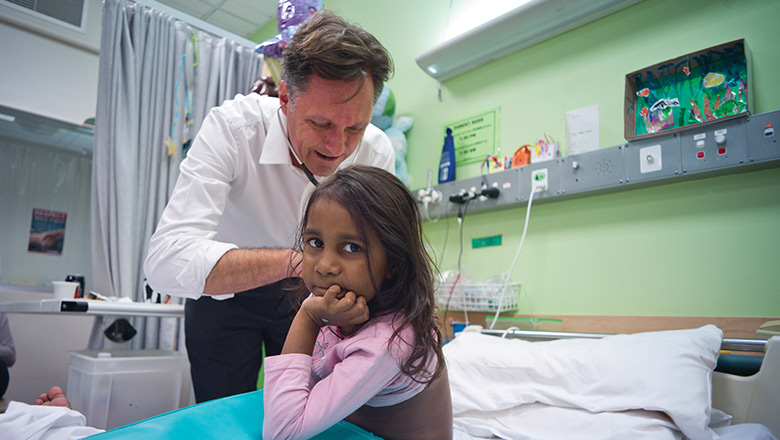
The Kids Research Institute Australia is spearheading a trans-Tasman effort to develop a vaccine for rheumatic fever.
Cancers in children are very different to cancers in adults. However, most therapeutic strategies are designed explicitly for adult cancers, and then used in children if proven safe.
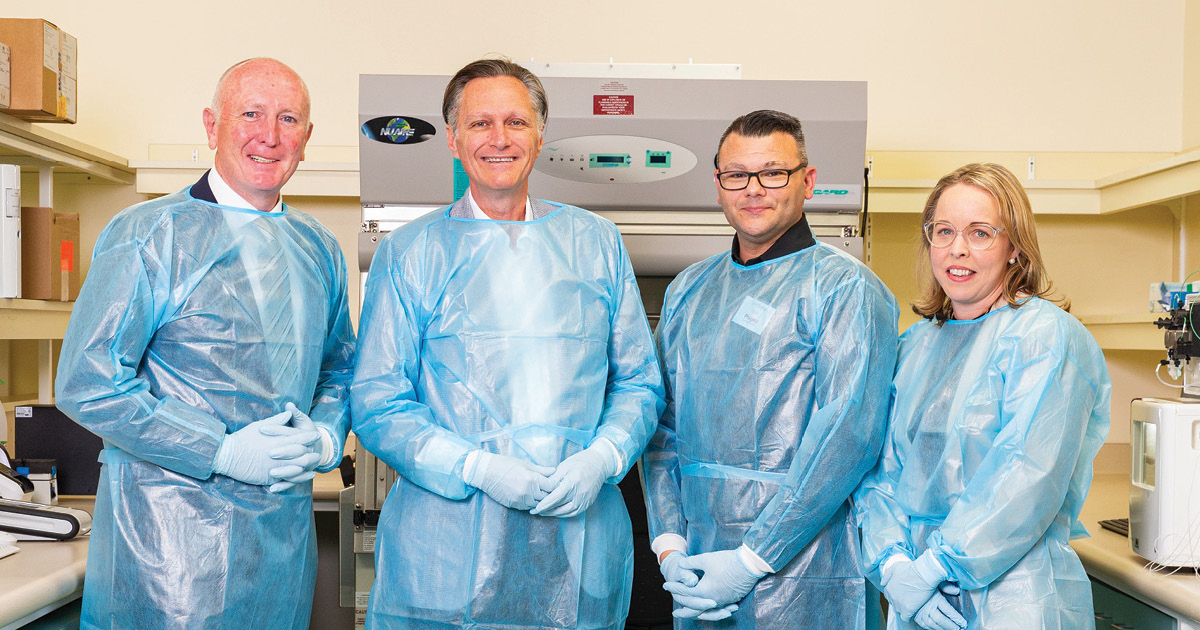
Western Australia’s first bacteriophage manufacturing facility has been opened in a significant development that brings patients battling antibiotic-resistant infections a step closer to life-saving phage therapy.
This novel approach aimed to prevent inflated hazard ratios arising from reverse causation, and allow identification of associations beyond those already...
This paper provides clinical practice guidelines for treating low blood sugar in children and adolescents with Type 1 diabetes.
The aim of this study was to identify health professionals' perceptions about screening for fetal alcohol spectrum disorders (FASD) in Australia.
There is accumulating evidence that autistic traits (AT) are on a continuum in the general population.

Caroline Brasao, Research Assistant at CliniKids
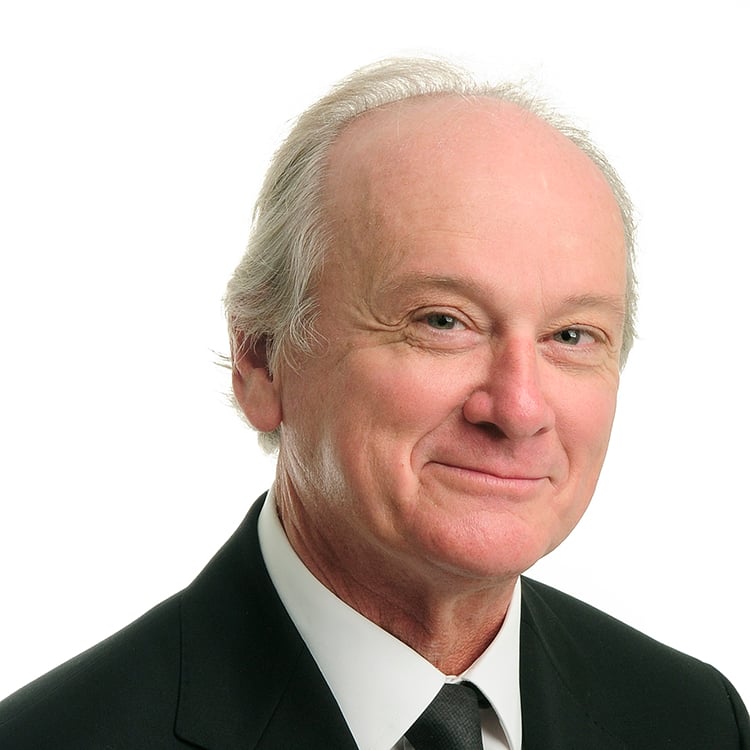
Co-head, Diabetes and Obesity Research