
Search
Showing results for "clinical trials"
Use of patient-reported outcome measures in clinical settings facilitate the delivery of better health care to improve patient health outcomes.
The aims of this study were to compare the early and subsequent clinical courses of female subjects with Rett syndrome categorised by whether...
Children with otitis media (OM) experience long waiting times to access Australia's public hospitals due to limited capacity. The aim of this article is to utilize an Ear, Nose, and Throat (ENT) telehealth service (the Ear Portal) to examine whether delayed access to specialist care is associated with poorer behavioral outcomes for children with OM.
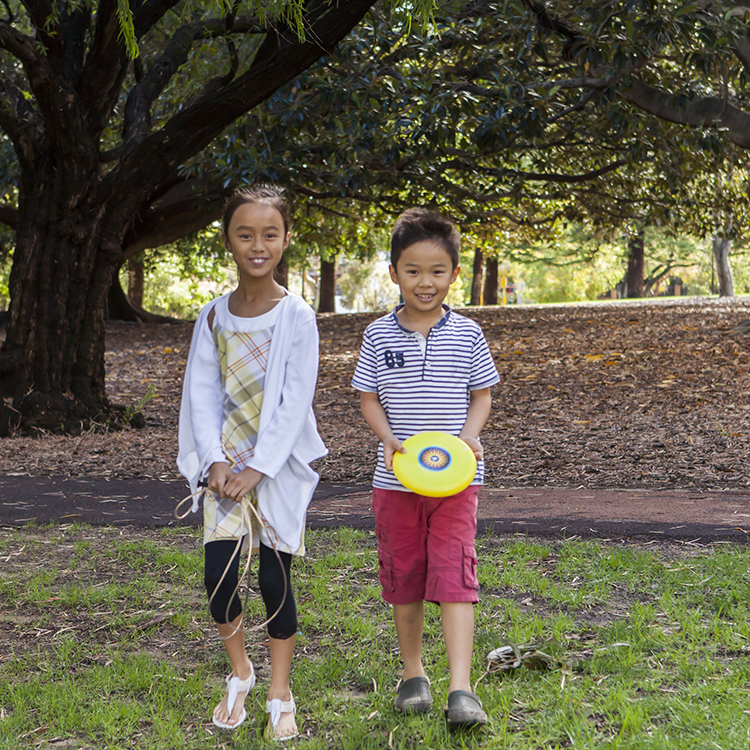
Our Child Health Analytics Team uses cutting-edge technologies to better understand how and why the health and wellbeing of children varies from place to place. We develop innovative geospatial methods that can harness large, complex datasets to pinpoint hotspots of elevated risk, evaluate change through time, and explore underlying drivers.
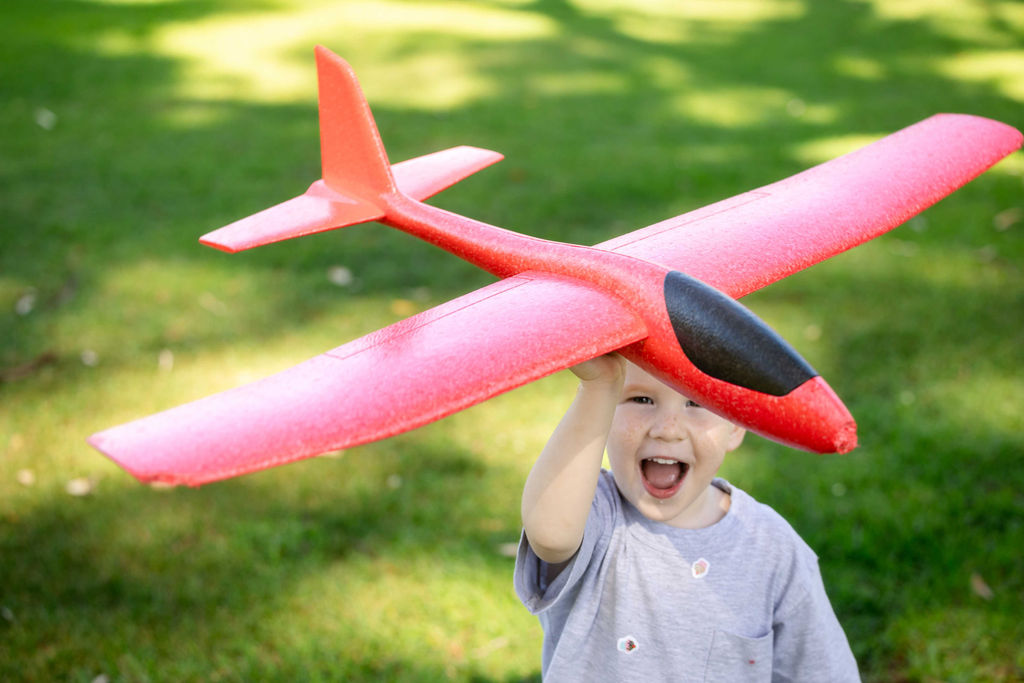
ORIGINS sub-projects investigating the impact of the physical environment and lifestyle on health, development and chronic conditions.
Aboriginal and Torres Strait Islander peoples are disproportionately impacted by type 2 diabetes. Continuous glucose monitoring technology (such as Abbott Freestyle Libre 2, previously referred to as Flash Glucose Monitoring) offers real-time glucose monitoring that is convenient and easy to use compared to self-monitoring of blood glucose.
Current evidence suggests that dog walking may be most effectively encouraged through targeting the dog-owner relationship and by providing dog-supportive...
Just under 150 Perth women have contributed to major international research at the Telethon Institute for Child Health Research.

The CHIP Study investigates how burn injuries in children affect their immune system.
Contact us If you'd like to get in touch, please contact us by phone or email. Phone: 0400 450 240 Email: vtg@thekids.org.au The Vaccine Trials Group