
Search
Showing results for "Childhood interstitial lung disease "

Honorary Research Associate

General Manager, CliniKids
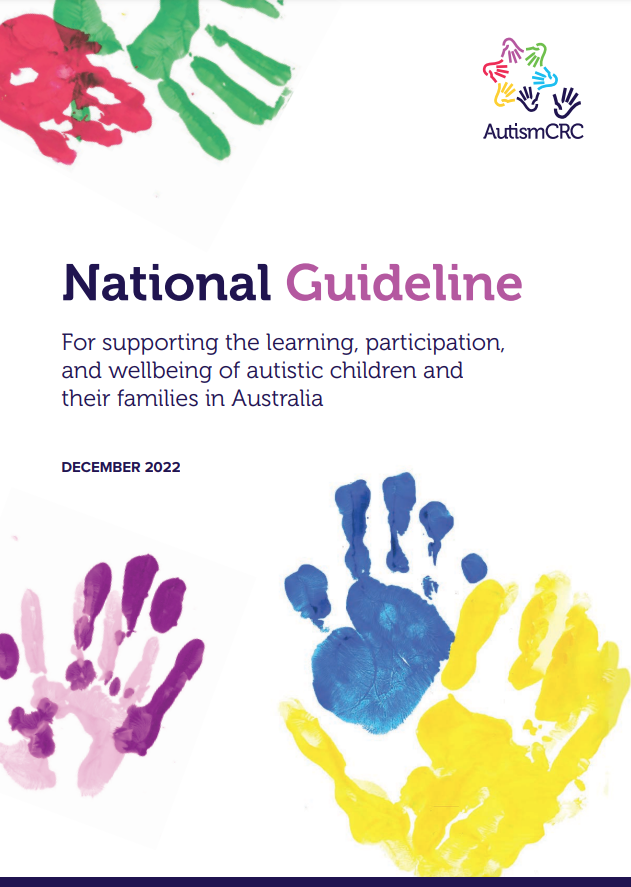
CliniKids has partnered with Autism CRC to deliver an online self-paced short course which explores the Recommendations included within the National Guideline for supporting the learning, participation, and wellbeing of autistic children and their families in Australia.

Keep up to date with all things Discovery Centre related by signing up to the Discovery Club. You’ll be able to log in with all your information at the centre!
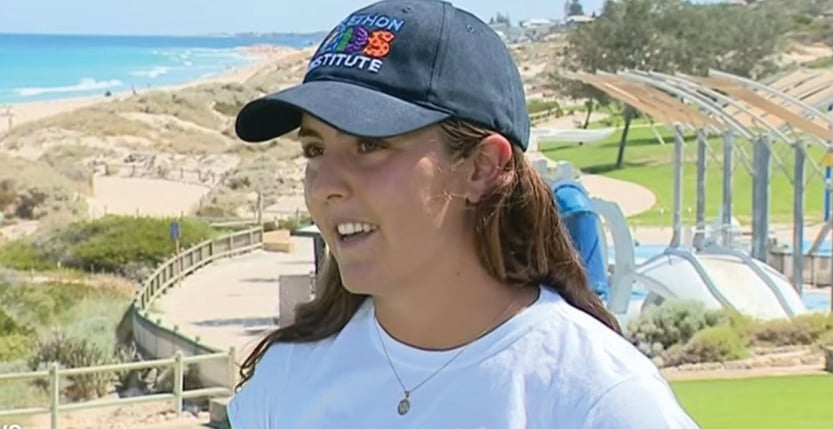
We were honoured to hear the story of the incredible Darcey Brooks who is tackling the Rottnest Channel Swim this Saturday to help raise money for research here at The Kids.

This study examines the impact of nutrition-related maternal, infant and childhood health outcomes and healthcare utilisation.
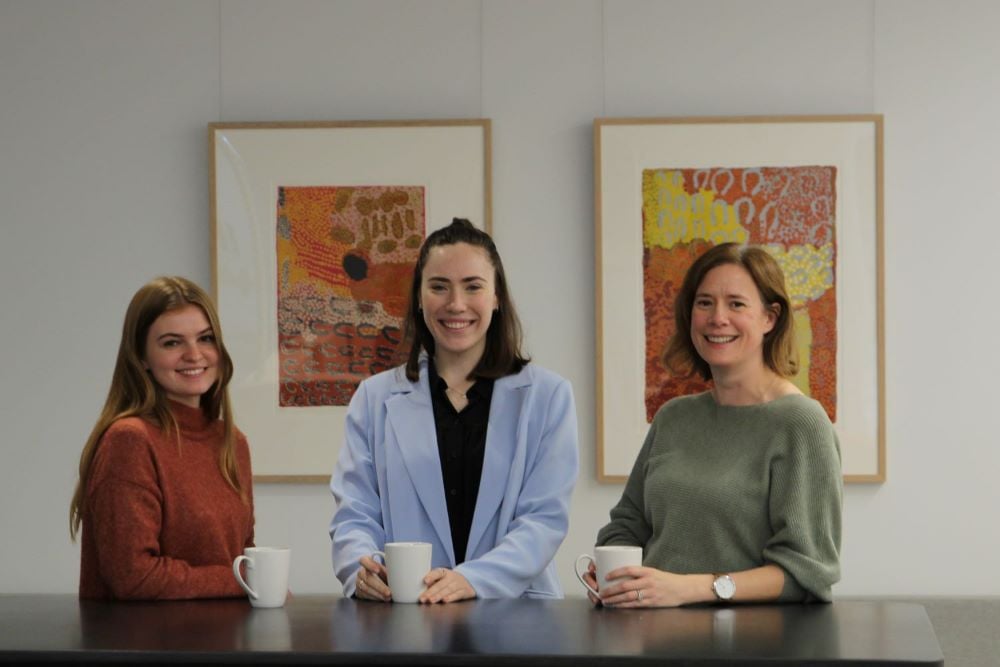
Applications are open for our 2025 Honours and Masters Scholarships with the purpose of providing funding for students to develop and support their type 1 diabetes (T1D) related research.
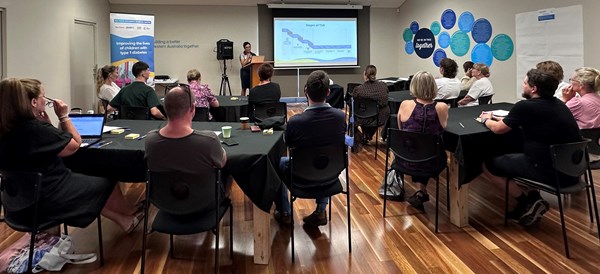
Involving those who live with T1D or care for a child who lives with T1D is a primary focus for the Centre. This lived experience integral to making sure the research our Centre does is relevant and outcomes create meaningful impact for how they manage the condition on a day-to-day basis.
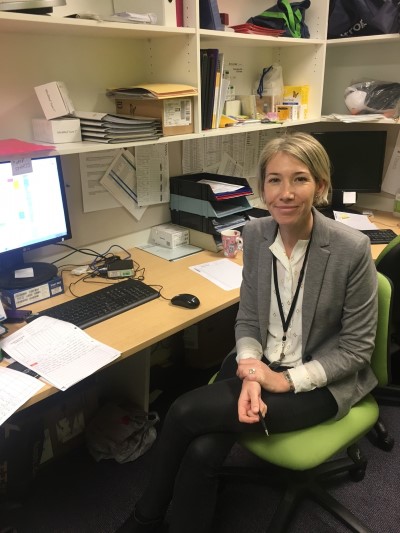
Meet Kelly – the latest addition to the PMH Diabetes and Endocrinology clinic.
Access to adequate nutrition is a human right. In 2023, 23% of Australian households were severely food insecure, reducing food intake, skipping meals or days of eating. Food insecurity in early childhood is linked to poor health and development. Specifically, breakfast provides children with the necessary nutrients required for sustained attention, memory, and cognitive growth. Australian research has reported that one in three children aged 8–18 years regularly skip breakfast. However, there is little understanding of the prevalence of food insecurity among young children in Australia.