
Search
Showing results for "clinical trials"
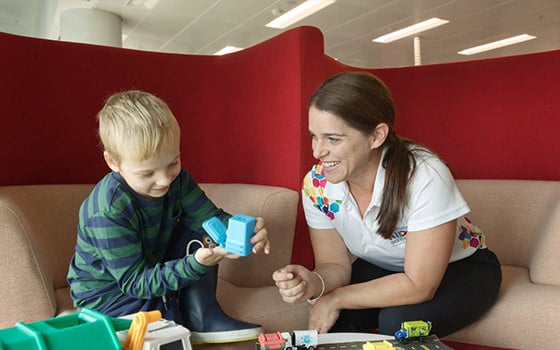
Our vision is to increase awareness and improve outcomes for children with movement disorders and other neurodevelopmental conditions impacting on motor function.

Did you know that regular exercise can literally add years to the lives of children living with Type 1 Diabetes?
We describe the initiation and summary outcomes of a public health system approach for complex undiagnosed patients- the Undiagnosed Diseases Program - WA
The purpose of this study is to evaluate the safety of new system called the Medtronic MinimedTM 670G that has been designed for long term outpatient use.
We argue that population-based studies are critical to overcome the selection bias seen in many clinical samples and to identify true variability within a...
Liz Tim Davis Jones MBBS FRACP PhD MBBS DCH FRACP MD Co-director of Children’s Diabetes Centre Co-head, Diabetes and Obesity Research Co-director of
Keely Tim Liz Bebbington Jones Davis MClinPsych/PhD MBBS DCH FRACP MD MBBS FRACP PhD McCusker Postdoctoral Research Fellow in Type 1 Diabetes Co-head
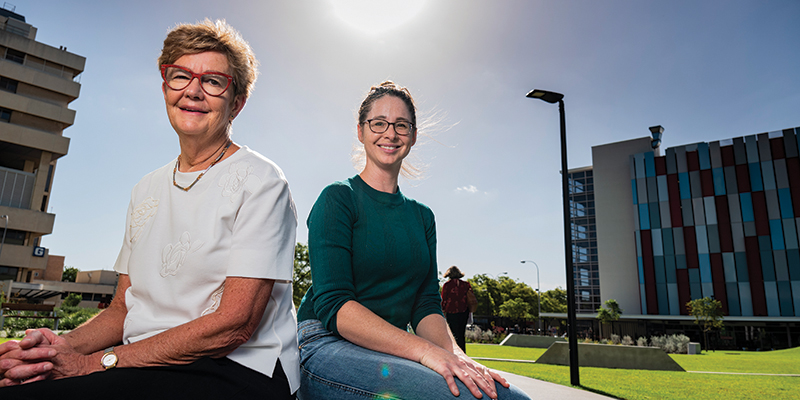
For decades Aussies have been told to minimise sun exposure to prevent skin cancer - now researchers at Telethon Kids are challenging that message.
To assess the prevalence, clinical features and treatment of otitis media (OM) among Aboriginal children in the Kimberley region of Western Australia, and to determine if a correlation exists between OM and protracted bacterial bronchitis.
Septo-optic dysplasia (SOD) is a congenital disorder affecting 1 in 10,000 births, defined by the presence of at least two of a clinical triad, consisting of optic nerve hypoplasia, midline brain defects and pituitary hormone deficiency. Children with SOD may have vision impairment, hormonal deficiencies, developmental disorders, or epilepsy, but the clinical picture is highly variable. The complexity of SOD, its interplay with family factors, and the need for multiple specialty commitments can make the diagnosis period a challenging time for families.