
Search
Showing results for "mental health aboriginal"

HEALTHCARE TRANSITION STUDY Co-designing transition support: Phase 1 For young people with type 1 diabetes (T1D), growing up means moving from child
Convalescent plasma has been widely used to treat COVID-19 and is under investigation in numerous randomized clinical trials, but results are publicly available only for a small number of trials. The objective of this study was to assess the benefits of convalescent plasma treatment compared to placebo or no treatment and all-cause mortality in patients with COVID-19.
We have closely followed the international literature about severe acute respiratory syndrome coronavirus 2 (SARS‐CoV‐2) transmission dynamics in children (aged 0–18 years).2 Evidence‐informed discussion about school attendance in the context of COVID‐19 is a high priority and this complex subject requires weighted expert review of the literature to accurately inform policy. As paediatricians and infectious diseases specialists, we wish to highlight important considerations when interpreting the available data.
Recently, we identified a Staphylococcus aureus sequence type 5 (ST5) clone in northern Australia with discrepant trimethoprim-sulfamethoxazole (SXT) susceptibility results. We aimed to identify isolates of this clone using Vitek 2 SXT resistance as a proxy and to compare its epidemiology with those of other circulating S. aureus strains. We collated Vitek 2 susceptibility data for S. aureus isolates collected through our laboratory and conducted a prospective, case-control study comparing clinical, microbiological, epidemiological, and genomic data for subsets of isolates reported as SXT resistant (cases) and SXT susceptible (controls) by Vitek 2.
During a pandemic when hospitals are stretched and patients need isolation, the role of hospital-in-the-home (HITH) providing acute medical care at home has never been more relevant. We aimed to define and address the challenges to acute home care services posed by the COVID-19 pandemic.
This study was designed to determine the sensitivity and reproducibility of recovering anti-streptolysin O titres (ASOT) from dried blood spot (DBS) samples
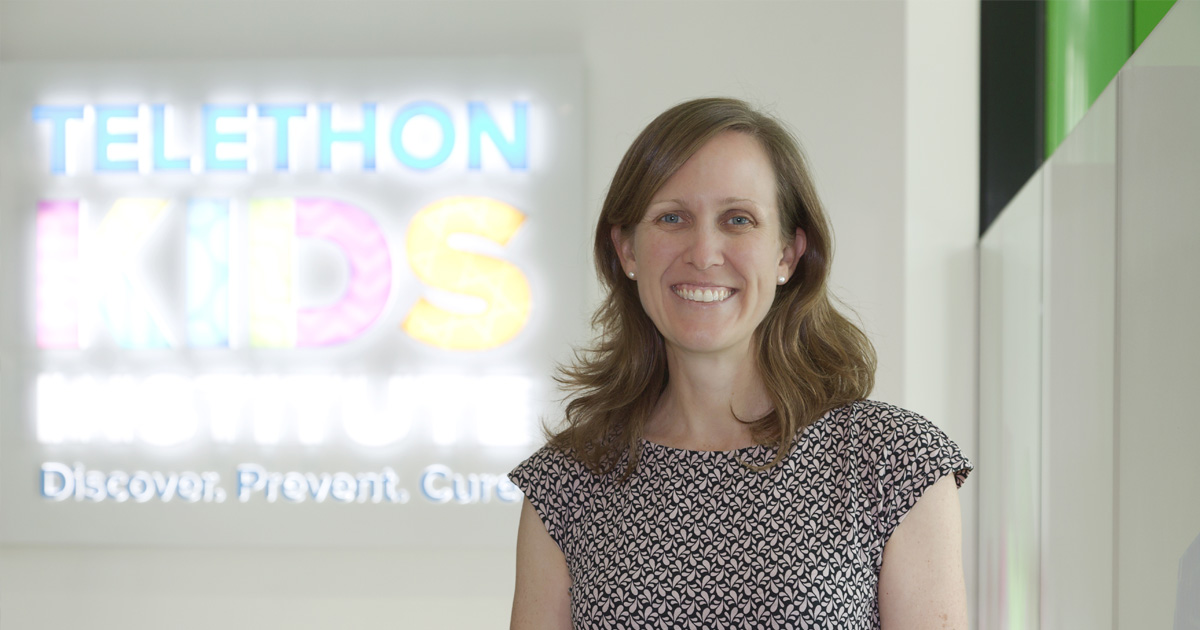
Congratulations to infectious diseases clinician-researcher Professor Asha Bowen, awarded a Medal of the Order of Australia (OAM) in the King’s Birthday Honours List for her service to medicine in the field of clinical diseases.
To investigate the follow-up and outcomes of HIV-exposed infants in a setting of low HIV prevalence. This was a multicenter, retrospective study of live-born infants of women known to be living with HIV, at 9 tertiary pediatric centers in Australia and New Zealand from 2009-2025. Antenatal, perinatal, and postnatal data, and outcomes at clinic visits to 18 months of age were collected, including co-morbidities, development, and HIV results.
Convalscent plasma (CP) was identified as a potential therapy for COVID-19 available early in the pandemic.
We aimed to assess the direct protective effect of 13 valent pneumococcal conjugate vaccine (13vPCV) against invasive pneumococcal pneumonia (IPP; including pneumonia and empyema) in children using a nation-wide case-control study across 11 paediatric tertiary hospitals in Australia.