
Search
Showing results for "8"
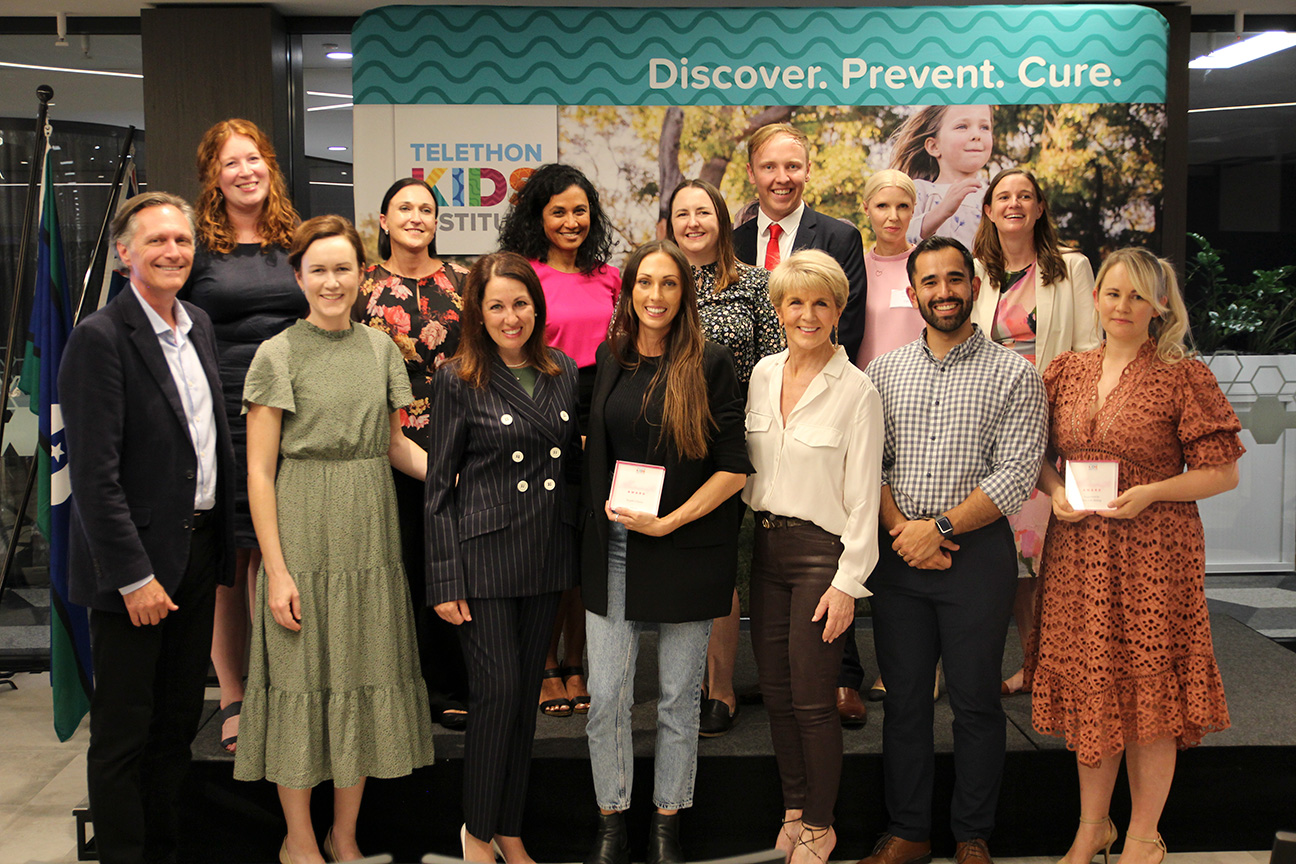
Ten researchers from different areas took to the stage with a carefully crafted presentation and three-minute pitch, in efforts to spark the interest of 80 guests

Enhancing psychological wellbeing in families from pregnancy to infancy

Empower-Autism is an online support program for parents and carers of children recently diagnosed as autistic.
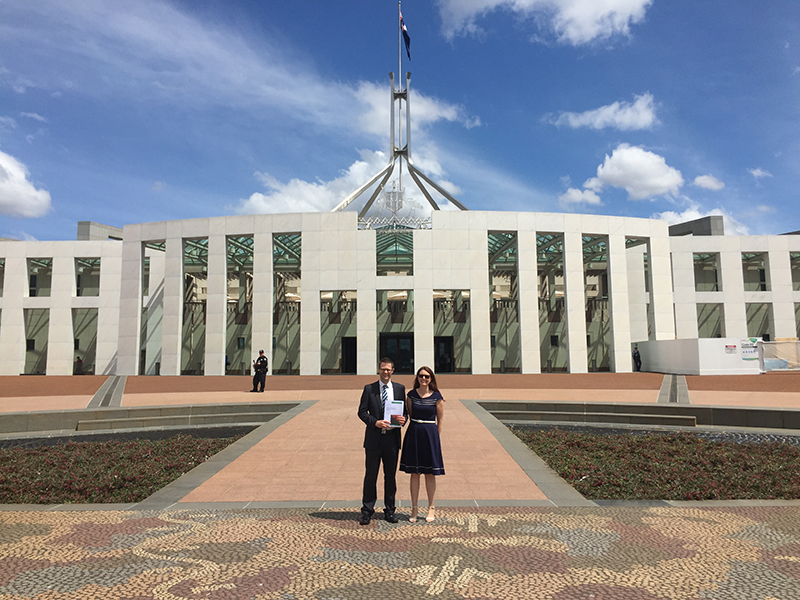
Researchers from The Kids Research Institute Australia, working with the Autism CRC, have led the development of the National Guideline for the Assessment and Diagnosis of Autism Spectrum Disorder in Australia which was launched today.
Promoting wellbeing for youth is a global health priority and young people with chronic conditions demonstrate disproportionately low wellbeing compared to their peers. However, wellbeing is variably defined, and little is understood as to what wellbeing means for this population. The aim of this study was to develop a conceptualisation of wellbeing that is rooted in the perspectives of young people with chronic conditions.
The Australian Guide to the Diagnosis of fetal alcohol spectrum disorder (FASD), developed in 2016, is currently under review. This study aimed to understand how the Guide is used in practice and identify factors influencing its implementation.
Meaningful involvement of young People with Lived Experience (PWLE) in co-designing youth mental health interventions has been much emphasized globally. However, there is a scarcity of evidence on involving PWLE of mental health problems in designing, implementing and evaluating mental health interventions, especially in Low- and Middle-Income Countries.
The airway epithelium is the primary structural and functional airway barrier and orchestrates innate immunity. Some children may have underlying epithelial vulnerabilities that contribute to the pathogenesis of acute wheeze and asthma.
Translation of developmental science discoveries is impeded by numerous barriers at different stages of the research-to-practice pipeline. Actualization of the vast potential of the developmental sciences to improve children's health and development in the real world is imperative but has not yet been fully realized.
Growing evidence from preclinical studies, epidemiology, and randomized controlled trials supports a causal role for diet quality in mental disorder risk, and clinical psychiatric guidelines now place diet, along with other life-style behaviors, as foundational treatment targets for mood disorders.