
Search
Showing results for "aboriginal respiratory"
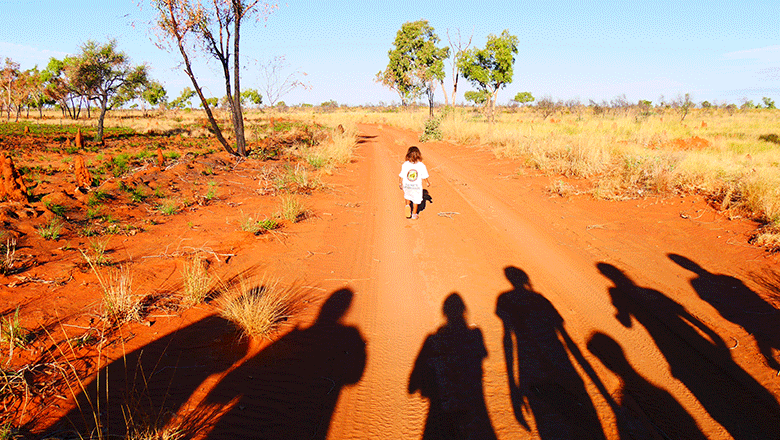
There is growing evidence that alcohol restrictions are effective in empowering communities to reduce the immediate and long term impacts of alcohol.

New research from The Kids Research Institute Australia has revealed that children and youth treated for Attention Deficit Hyperactive Disorder (ADHD) are more likely
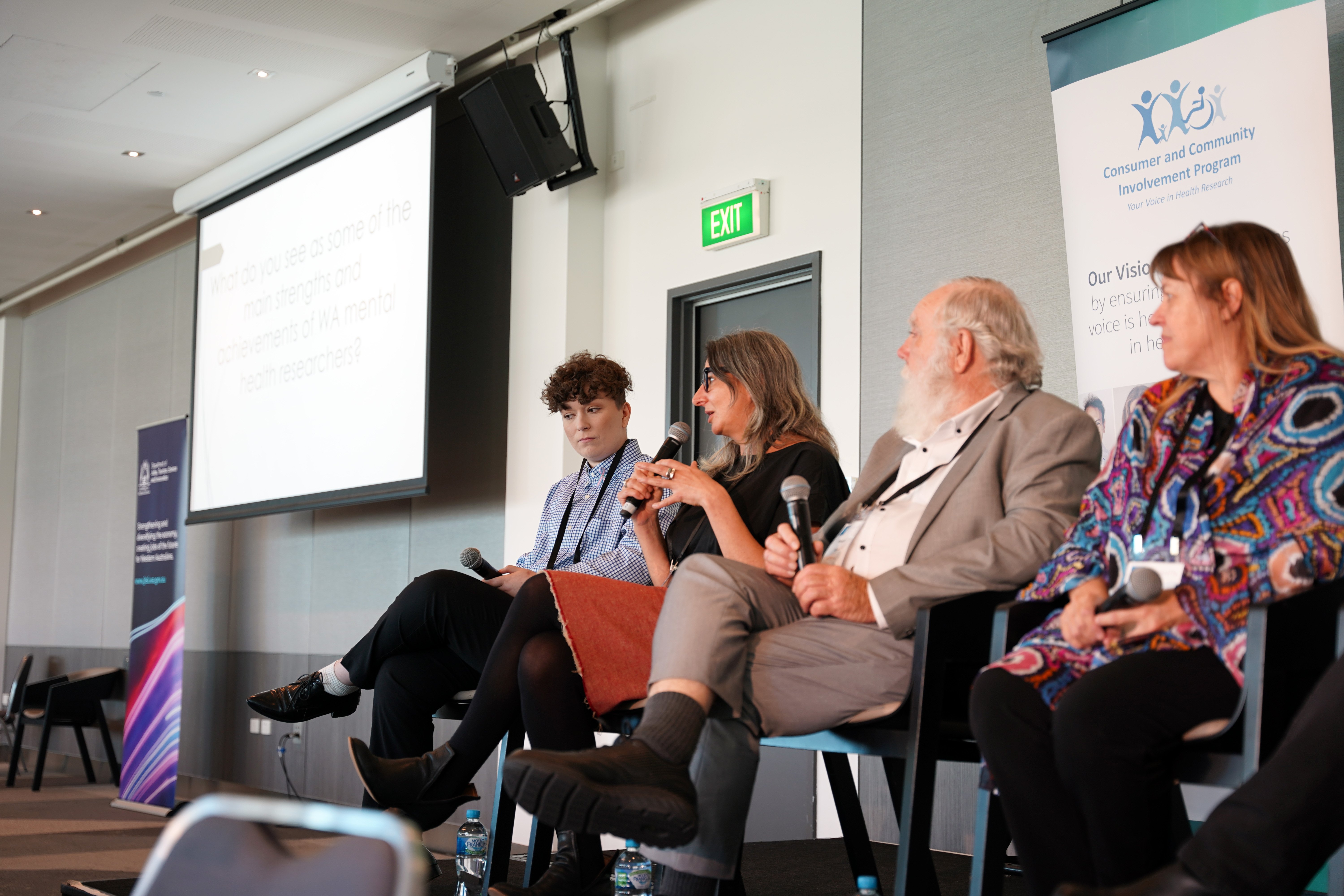
Embrace @ The Kids Research Institute Australia's Co-Directors Professor Ashleigh Lin and Professor Helen Milroy have welcomed the release of a new WA government mental health research strategy.
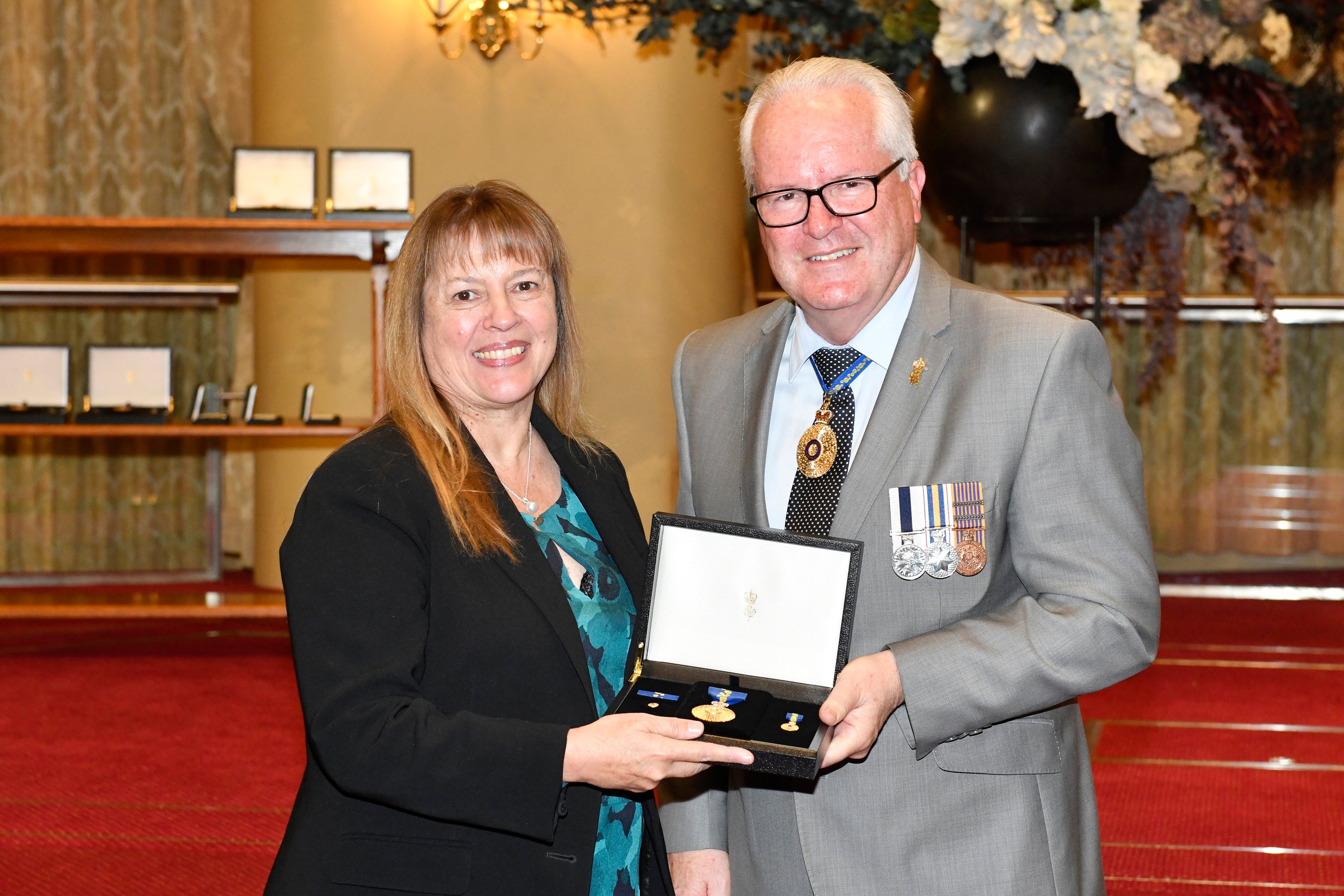
Prominent WA psychiatrist Professor Helen Milroy receives AM award at Government House
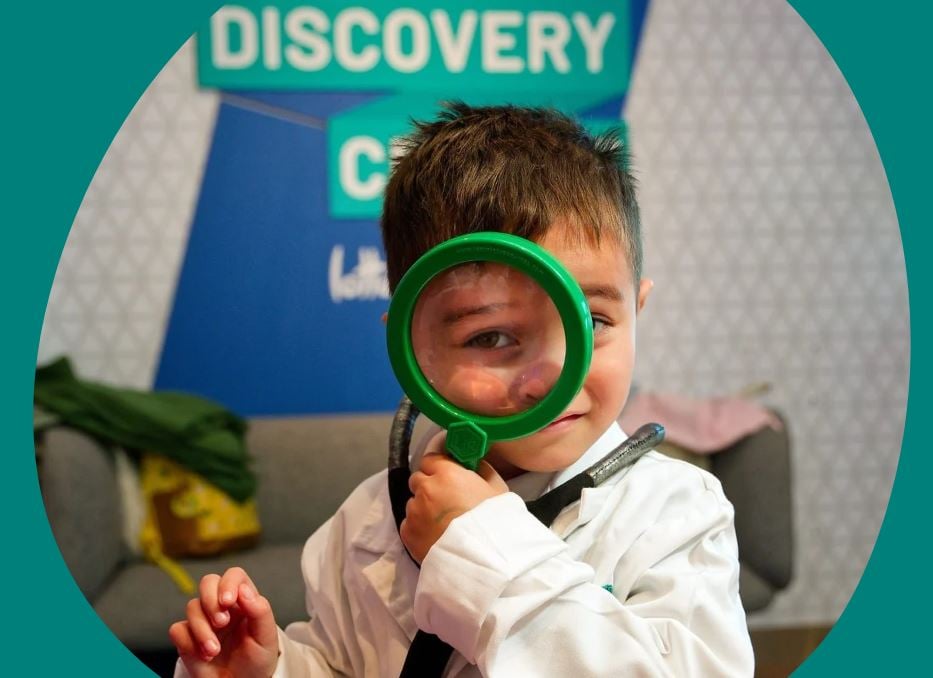
Get ready for a week of mind-blowing fun as the Discovery Centre comes alive for National Science Week with this year’s exciting theme: Decoding the Universe!
Sexuality- and gender-diverse (SGD) young people experience substantial health disparities relative to cisgender heterosexual peers. Little is known about SGD adolescents younger than 15 years.
To describe the implementation and outcomes of a combined individual placement and support (IPS) and vocational peer work program for young people with mental ill-health.
We conducted a comprehensive, systematic review of the global childhood population prevalence of impetigo and the broader condition pyoderma.
With advancing paediatric healthcare, the use of central venous lines has become a fundamental part of management of neonates and children.
Prevalence and antimicrobial resistance of impetigo pathogens in a randomised, controlled trial of impetigo treatment conducted in remote Indigenous communities