
Search
Showing results for "lung disease preterm"
High quality intervention research is needed to inform evidence-based practice and policy for Aboriginal and Torres Strait Islander communities. We searched for studies published from 2008-2020 in the PubMed database. A narrative review of intervention literature was conducted, where we identified researcher reported strengths and limitations of their research practice.
The presence of membrane-bound organelles with specific functions is one of the main hallmarks of eukaryotic cells. Organelle membranes are composed of specific lipids that govern their function and interorganelle communication. Discoveries in cell biology using imaging and omic technologies have revealed the mechanisms that drive membrane remodeling, organelle contact sites, and metabolite exchange.
Indigenous populations globally have significantly high rates of type 2 diabetes compared to their non-Indigenous counterparts. This study aims to implement and evaluate the effectiveness of a culturally and contextually informed Aboriginal Diabetes Workforce Training Program on Aboriginal primary health care workforce knowledge, attitude, confidence, skill and practice relating to diabetes care.
This prospective cohort study, which recruited participants with definite ARF in Australia and Aotearoa New Zealand, profiled circulating immune molecules and cells to inform disease mechanisms and future druggable pathways.
Aboriginal and Torres Strait Islander communities are diverse, strong and faced with adverse social circumstances and unacceptable health and wellbeing outcomes wrought by colonisation. The need for strengths-based initiatives that tailor services according to local knowledges is well accepted, yet few studies have evaluated self-determined strategies to redress the social determinants of health.
Although most people born this century will be educated in African schools, these schools often lack basic infrastructure, such as electricity and/or lighting. In the face of a rapidly growing school-age population in Africa, the electrification of educational facilities is not just an infrastructural challenge but also a pivotal investment in the continent’s future workforce.
Expression of the compact mitochondrial genome is regulated by nuclear encoded, mitochondrially localized RNA-binding proteins (RBPs). RBPs regulate the lifecycles of mitochondrial RNAs from transcription to degradation by mediating RNA processing, maturation, stability and translation. The Fas-activated serine/threonine kinase (FASTK) family of RBPs has been shown to regulate and fine-tune discrete aspects of mitochondrial gene expression.
The Western Australia (WA) Respiratory Infections Linked Data Platform is a population-based cohort established to investigate the epidemiology of RSV and other respiratory infections in children aged 0-10 years, incorporating microbiological testing patterns, hospital admissions, emergency department presentations, and socio-demographic data.
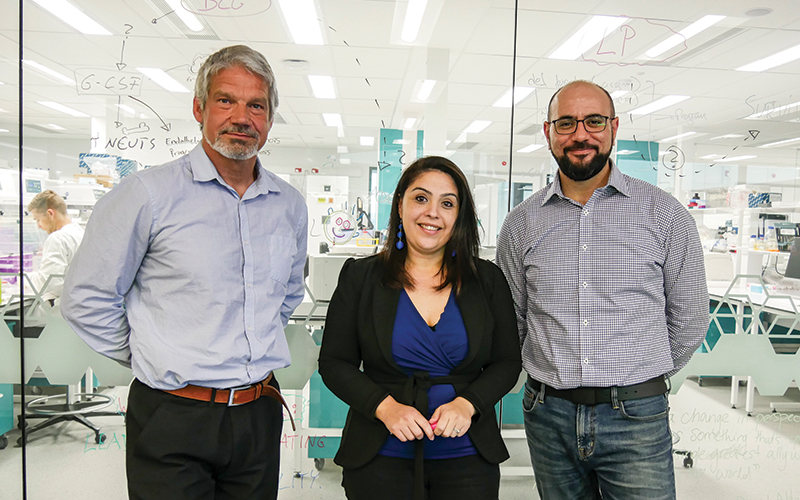
Running any research project is a feat of logistical gymnastics – and often, you don’t know what can go wrong until it happens.
People having close contact with drug-resistant tuberculosis (DR-TB) patients are at increased risk of contracting and developing the disease. However, no comprehensive review has been undertaken to estimate the burden of DR-TB among contacts of DR-TB patients. Therefore, the current systematic review will quantify the prevalence and incidence of DR-TB among contacts of DR-TB patients.