
Search
Showing results for "aboriginal respiratory"
Reflections and perceptions of chronic tinnitus during childhood
We reflect on the lessons learned from a recent genome‐wide association study of rheumatic heart disease with Aboriginal Australian participants
The effects of maternal alcohol-use disorder are experienced by the majority of exposed children rather than a vulnerable subgroup of this population
A multifaceted intervention was implemented using quality improvement and chronic care model approaches to improve delivery of penicillin prophylaxis for rheumatic heart disease
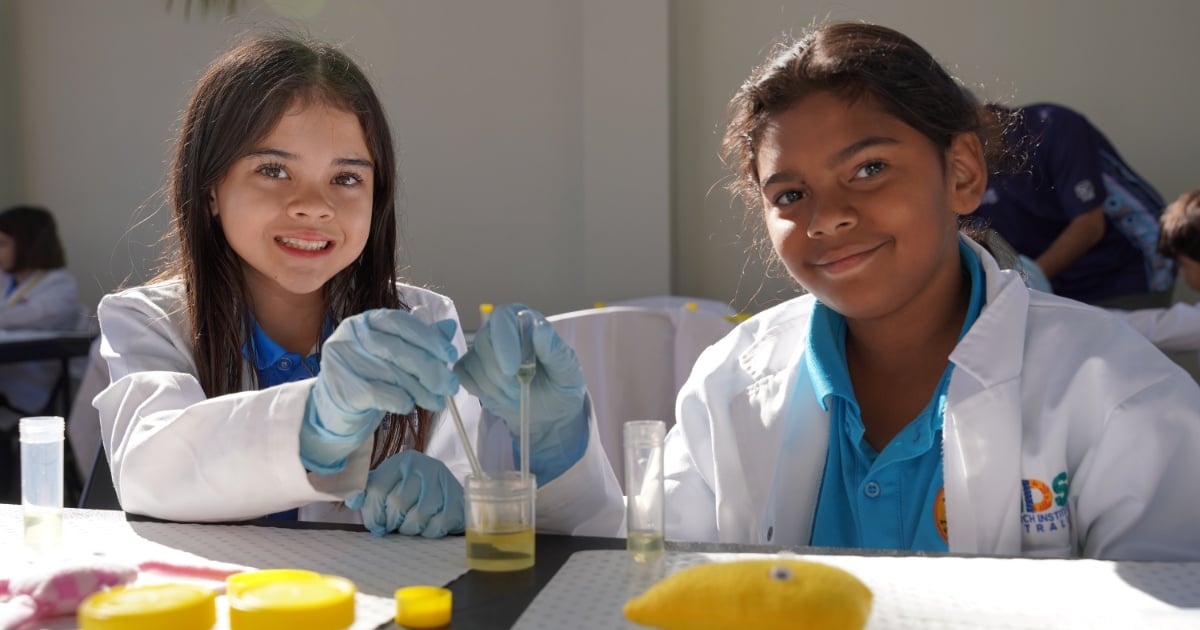
The Kids Research Institute Australia will return to Broome for National Science Week in August to host The Kids STEM Festival, with a refreshed program of hands-on fun curated for local students and families.
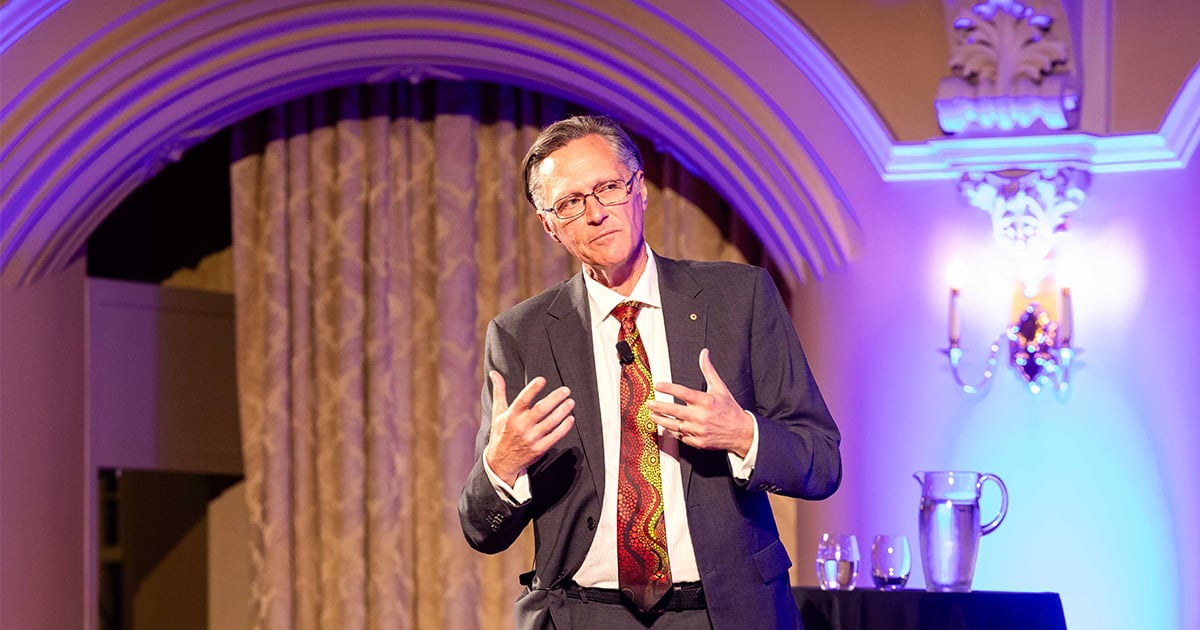
In Perth, The Kids Research Institute Australia is spearheading global efforts to tackle this insidious bacterium and reduce its impact on kids’ health.
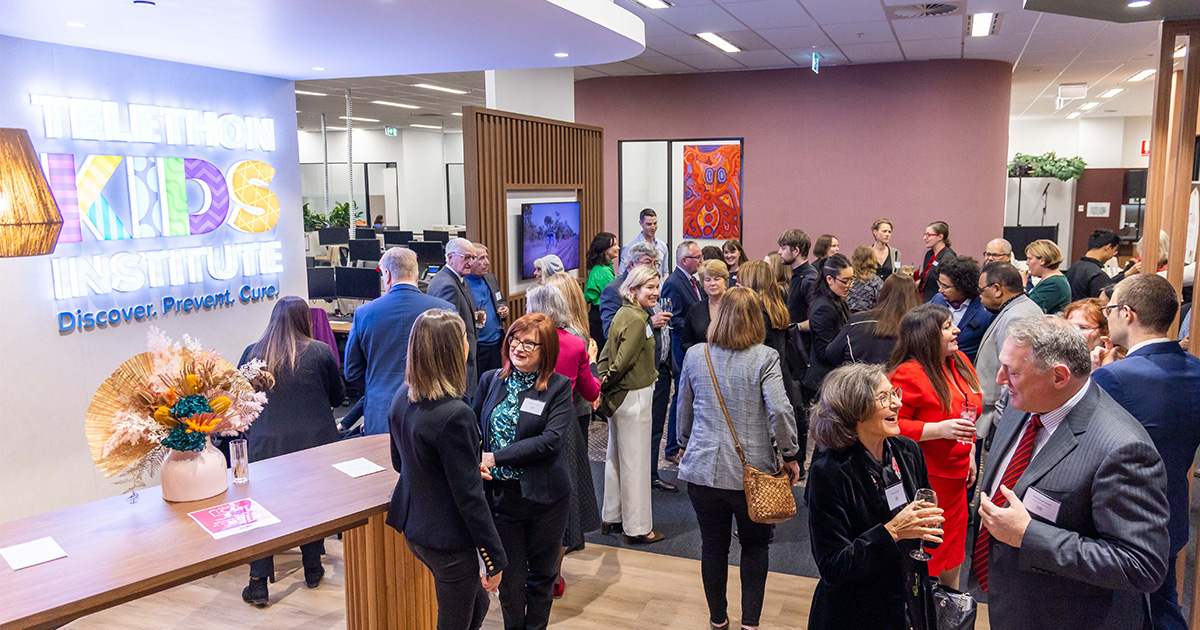
The Kids Research Institute Australia's Adelaide facility has been officially opened by South Australian Premier Peter Malinauskas.
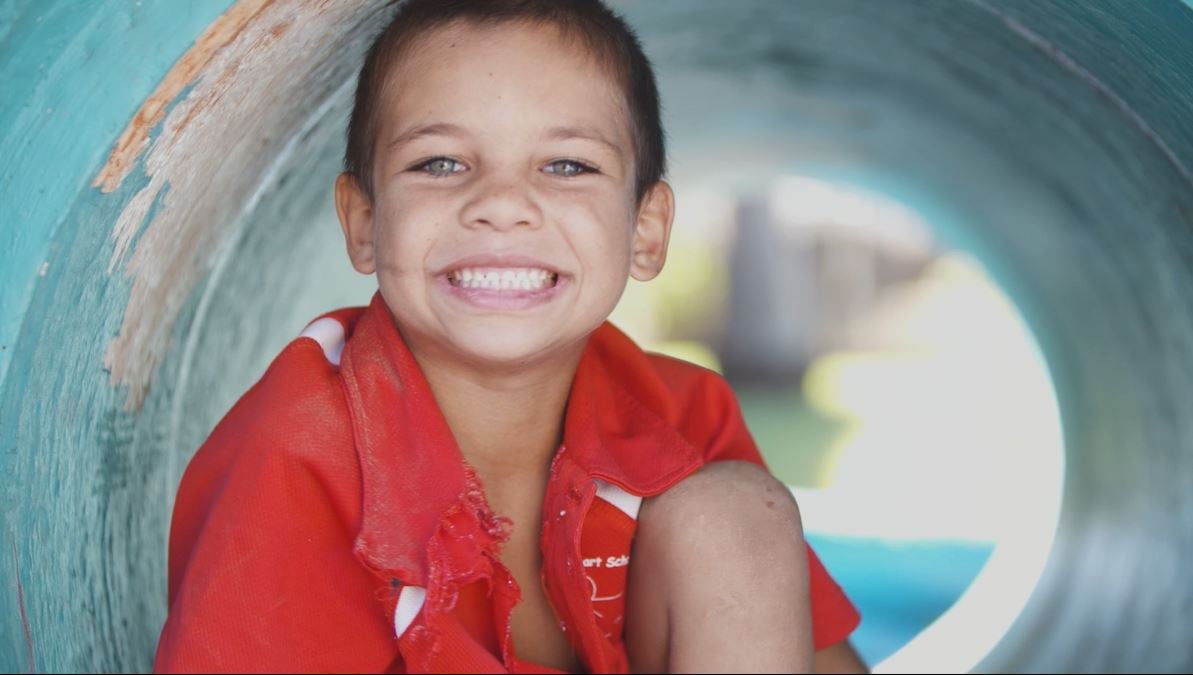
Researchers from The Kids Research Institute Australia are joining forces with international experts in acute rheumatic fever (ARF) and rheumatic heart disease (RHD) to transform the diagnosis of these diseases thanks to an $US8 million grant from the Leducq Foundation.
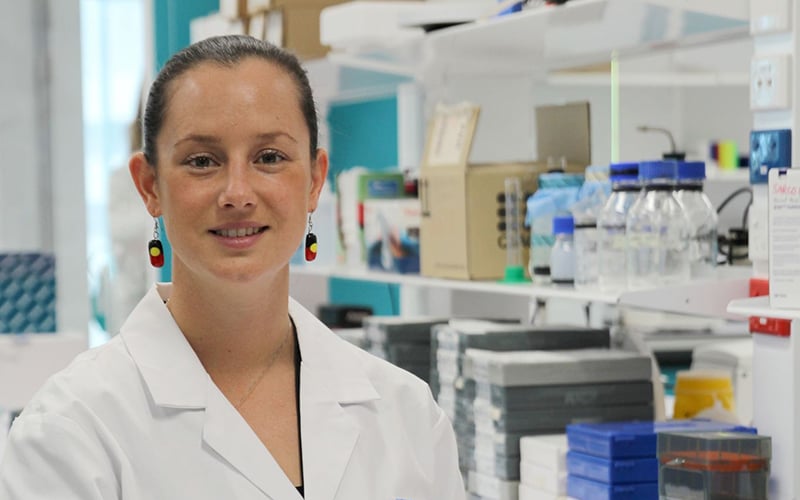
The Kids Research Institute Australia brain cancer researcher, Dr Jessica Buck will today join the ranks of a select group of brilliant female scientists.
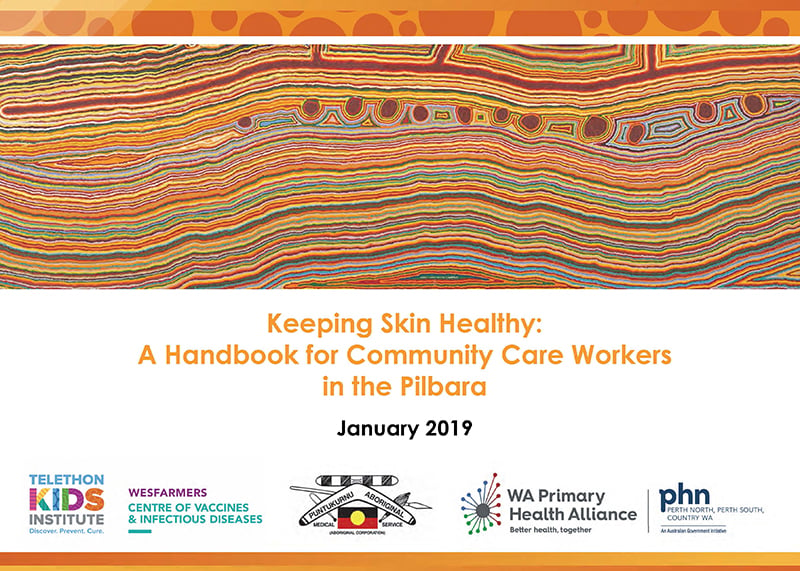
A year after launching the first National Healthy Skin Guideline to address record rates of skin infections in Australia’s Indigenous communities, The Kids Research Institute Australia has released a new resource as part of the guideline.