
Search
Showing results for "lung disease preterm"

The eradication of rubella in Australia is evidence of the vital role vaccinations play in protecting our health, researchers at The Kids Research Institute Australia say.
Perth researchers are about to trial a new vaccine that aims to protect against all four strains of the potentially devastating Dengue Fever.

Take a look at some of the published research to come out of the Children's Diabetes Centre recently.
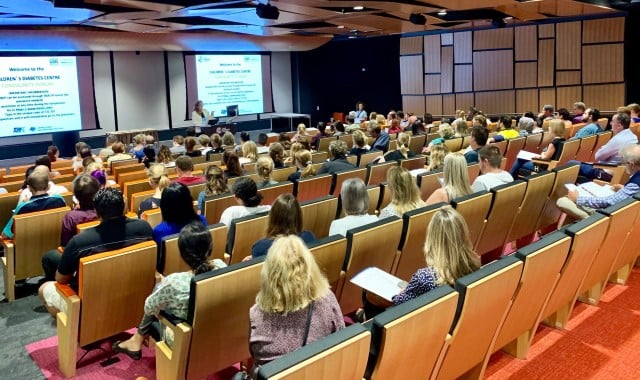
The Children’s Diabetes Centre was honoured to have leading international experts Laurel Messer and Professor Mike Riddell as guest speakers at its community forum and research symposium recently.
In a young adult cohort, stress-response patterns, in addition to other parameters vary with gender, smoking, and BMI
The purpose of this article is to investigate whether the number and timing of stressors experienced during pregnancy impacted longterm motor development at...
Haematological malignancies, although a broad range of specific disease types, continue to show considerable overlap in classification, and patients are...
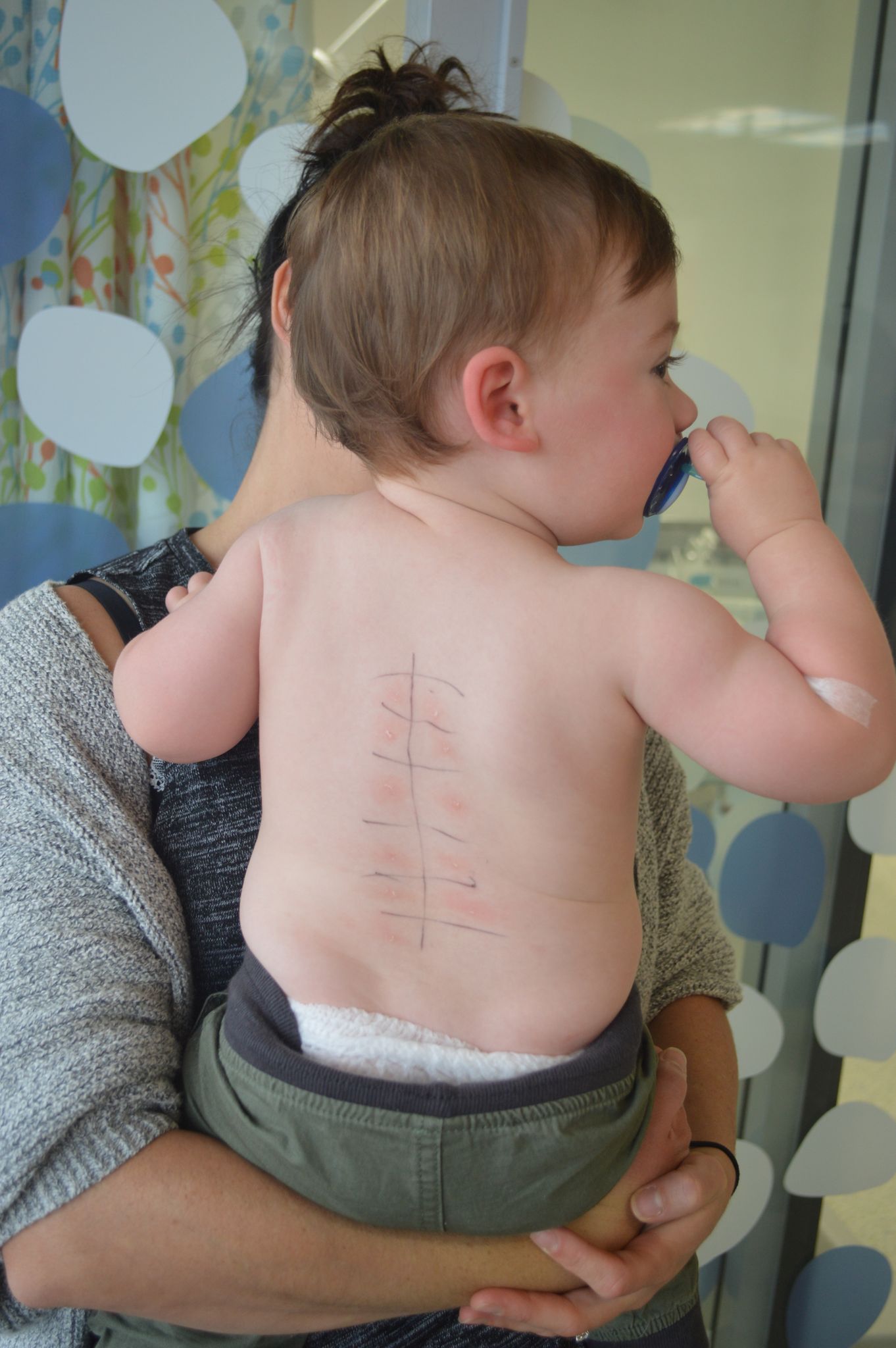
Comparing how mast cells are “programmed” in allergic and non-allergic children at one year of age.
There is considerable debate about the benefits of vitamin D supplementation for multiple sclerosis, allergic asthma, and type 1 diabetes.
The aim was to document the aetiology of acute lower respiratory infection (ALRI) hospitalisations in Western Australian children