
Search
Showing results for "mental health aboriginal"
The results suggest that though the risk for RSV in the NICU remains low, personnel clothing are contaminated with RSV-RNA and may have a role in transmission
This tool is designed to help current and future parents and caregivers as well as health care providers. It is currently based on the 2025 Western Australian RSV immunisation program.
This commentary discusses the keys to empowering individuals & families to navigate the health, education, employment & social systems & to access relevant...
Fetal head circumference (HC) growth was examined prospectively in children with autism spectrum disorder (ASD).
"Billboard Busters: Exploring Children's Views on Outdoor Advertising" is a groundbreaking study that examines schoolchildren's attitudes towards outdoor advertisements.
This project will explore fathers’ attitudes and behaviours regarding the alcohol-related parenting of 10-17-year-old children.
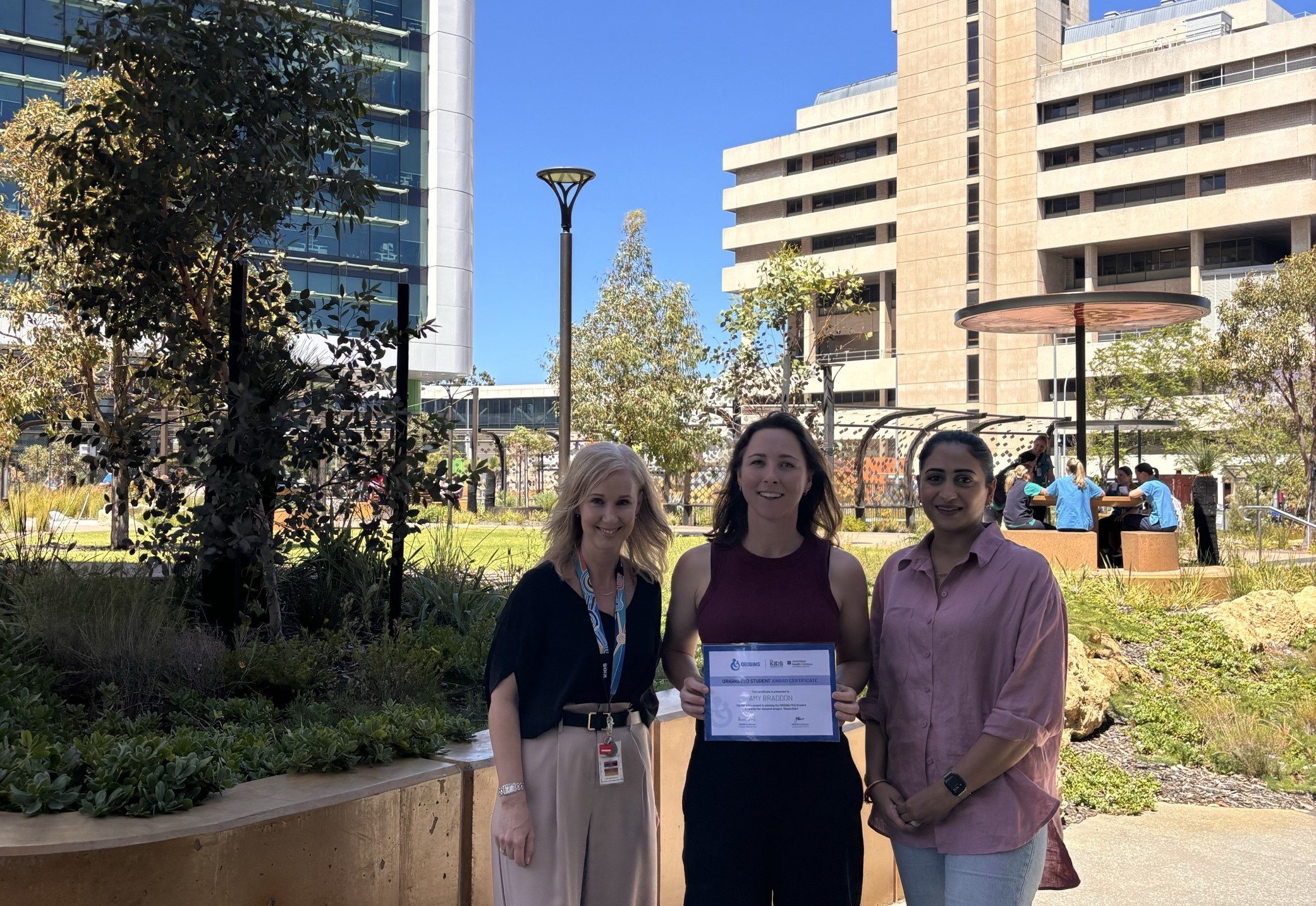
Miss Braddon will be awarded with $15,000 to go towards her research project, DreamStart
Cellulitis is an acute bacterial infection of the dermis and subcutaneous tissue usually found complicating a wound, ulcer, or dermatosis. This article provides guidelines for the surveillance of cellulitis.
Video otoscopy plays an important role in improving access to ear health services. This study investigated the clinician-rated quality of video otoscopy recordings and still images, and compared their suitability for asynchronous diagnosis of middle-ear disease. Two hundred and eighty video otoscopy image-recording pairs were collected from 150 children (aged six months to 15 years) by an ear, nose, and throat (ENT) specialist, audiologists, and trained research assistants, and independently rated by an audiologist and ENT surgeon.
We reflect on the lessons learned from a recent genome‐wide association study of rheumatic heart disease with Aboriginal Australian participants