
Search
Showing results for "autism"
The provision of timely, effective, and socially valid non-pharmacological intervention is at the core of efforts to support the development of young autistic children. These efforts are intended to support children to develop skills, empower their caregivers, and lay the foundation for optimal choice, independence, and quality of life into adulthood.
While young people have generally been at the forefront of the adoption and use of new communications technologies, little is known of uses by exceptional youth

Access evidence-based therapies and support at CliniKids, The Kids Research Institute Australia's first team integrating world-class research with a clinical service.
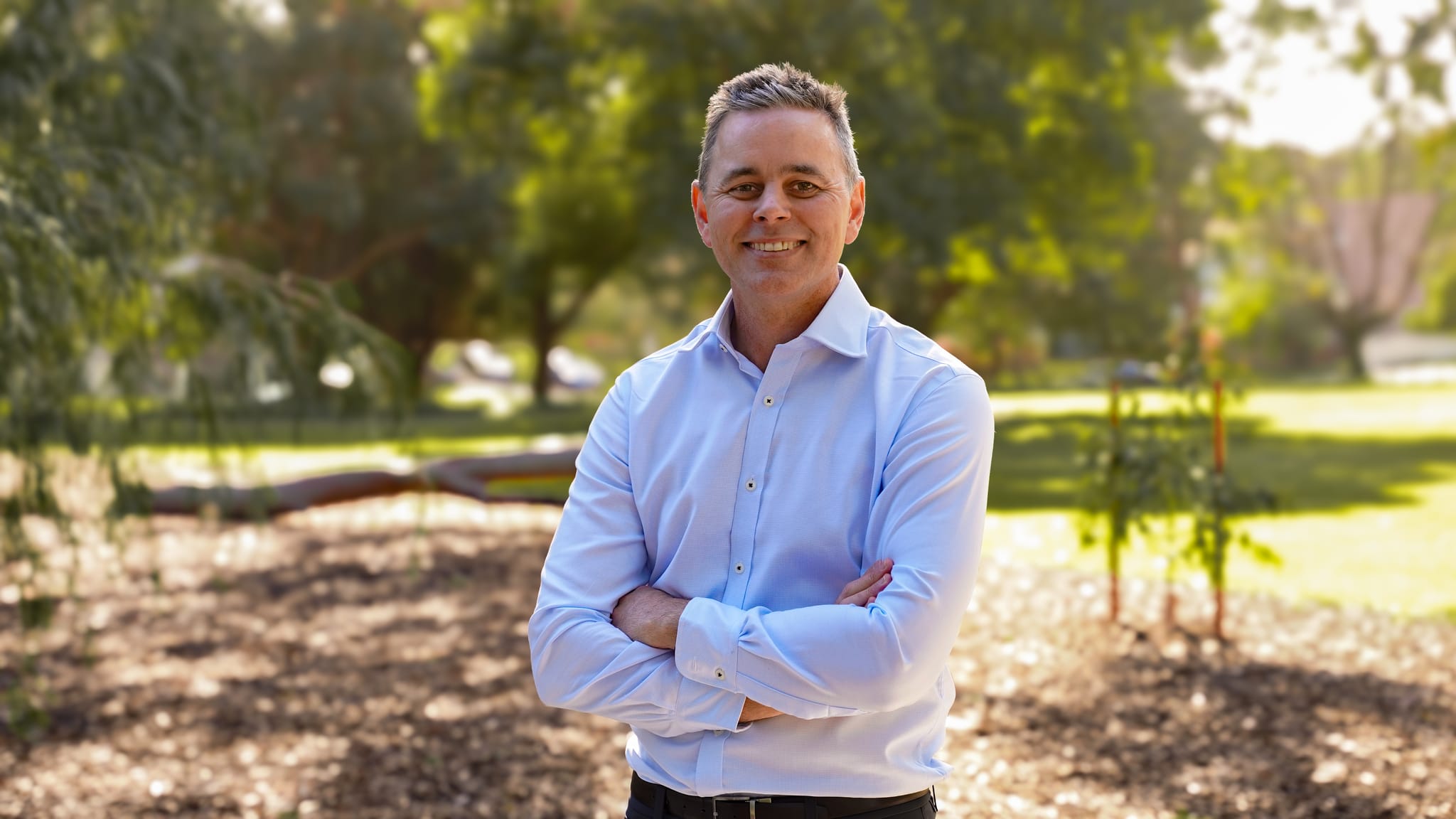
David Trembath is the Head of Autism Research and a Senior Principal Research Fellow at CliniKids
Andrew Videos Whitehouse Watch and listen to Andrew PhD Deputy Director (Research); Angela Wright Bennett Professor of Autism Research at The Kids
We investigated the relationship between autistic-like traits in early childhood and age at menarche in typically developing girls.
Aotearoa New Zealand does not provide publicly-funded intensive autism support. While parent-mediated supports are promising, children and families may also benefit from direct clinician support. We tested the efficacy of a low-intensity programme involving parent- and clinician-delivered support for autistic children.

One of the unique aspects of CliniKids is the integration of clinical services with cutting-edge research. Our exceptional team of researchers work in collaboration with our clinicians to give the community access to the world's best evidence-based therapies.
Neurodiversity refers to the different ways that people experience and interact with the world around them. Each person’s brain works differently, meaning no two brains are the same.
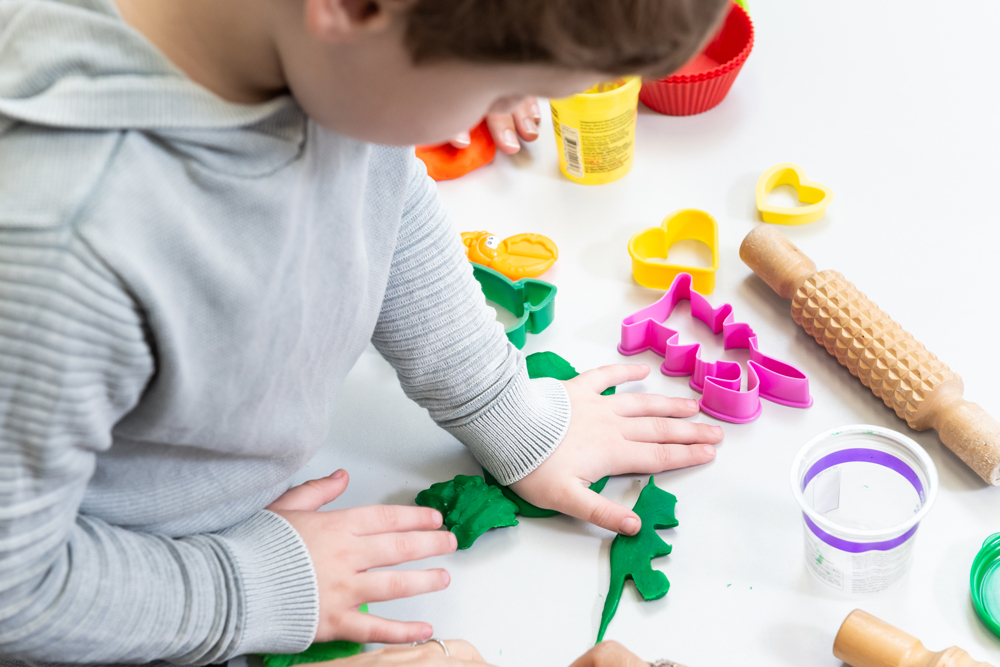
The language we use shifts over time and the words we use are important. At CliniKids, we are committed to using language that is neuroaffirming and preferred by the autistic community.