
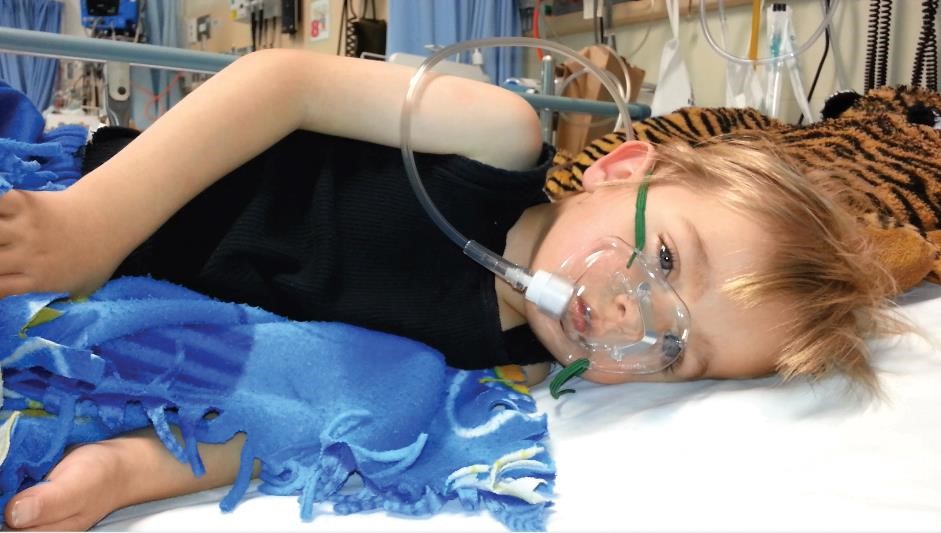
researchers lead global centre to eliminate childhood asthma
We aimed to quantify the diagnostic utility of mannitol challenge testing for asthma in a community cohort and a symptomatic wheezing subset of this…
General practice-based care for Australian children is facing low levels of clinical guideline adherence particularly in three key areas: asthma, typ…
Reliance on increasing use of dietary supplementation and fortification (eg, with folate) to compensate for increased consumption of processed foods…
This chapter will discuss the structure of the airway highlighting the now broad number of cell types that comprise it
The aim of this study was to assess whether in utero tobacco smoke exposure alone affects early-life lung growth and development. Pregnant BALB/c mic…
We conducted a population-based, record linkage study to examine the hospital admission risk in young children who are subsequently diagnosed with at…
Asthma affects more than 300 million people worldwide and is frequently associated with other medical conditions in adults, including chronic obstruc…

NHMRC Early Career Fellow
children with asthma this protective barrier is different from children without asthma. It is leakier ... repair responses changed with age and sever…